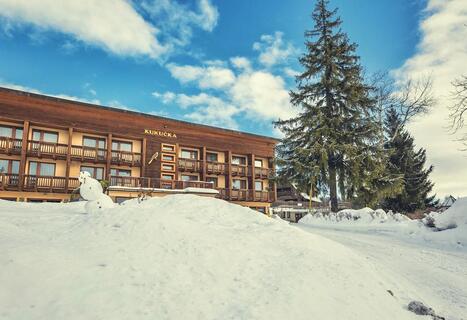
Penzión Kukučka
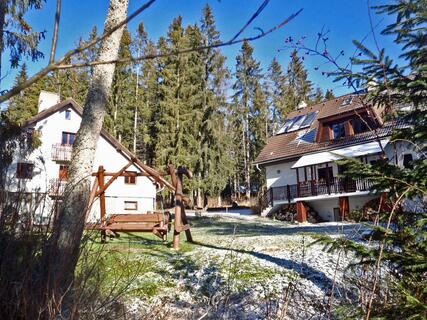
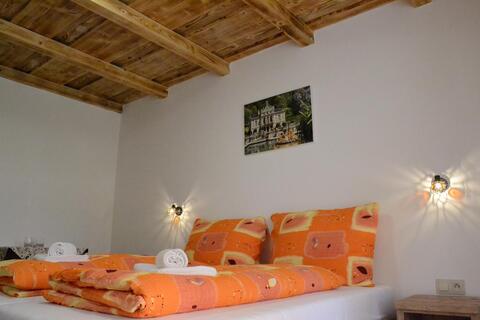
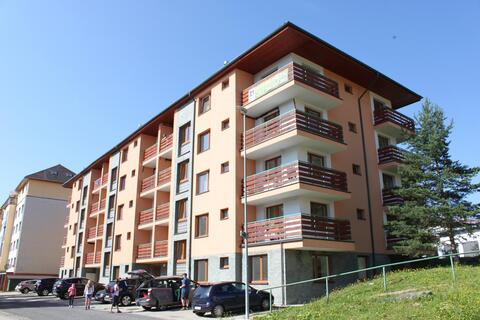
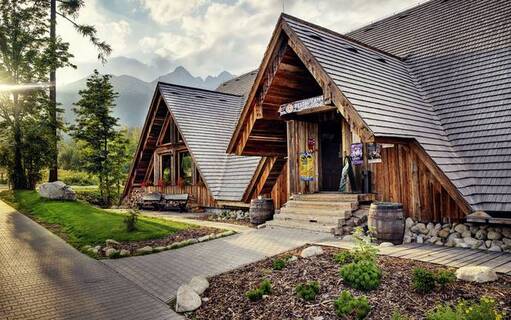
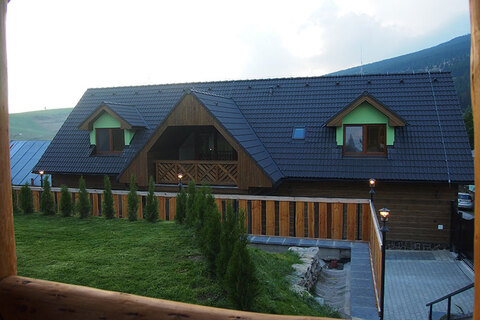
Located in Tatranska Strba in the Prešovský kraj region, Chata Tatry features a balcony. The property has mountain and garden views.
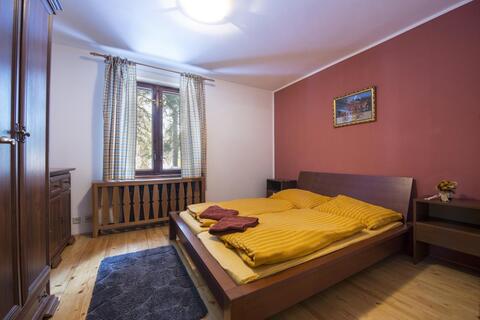
The chalet includes 3 bedrooms and a kitchen with a dishwasher and an oven. A flat-screen TV with cable channels is offered.
The chalet offers a barbecue. Guests can relax in the garden at the property.
Tatranská Lomnica is 32 km from Chata Tatry, while Vysoké Tatry is 27 km away. Poprad-Tatry Airport is 16 km from the property.
We will prepare a tailor-made offer within 24 hours on weekdays from 8AM to 16PM.






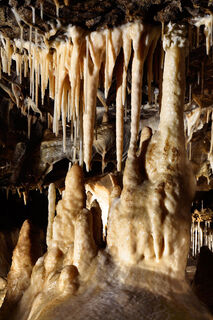
The Važecká jaskyňa cave, which is located on the southern edge of the village of Važec, is the most visited natural landmark of the upper Liptov region. The cave is counted among the best-known paleontological sites as far as discoveries of bones of the cave bear are concerned.
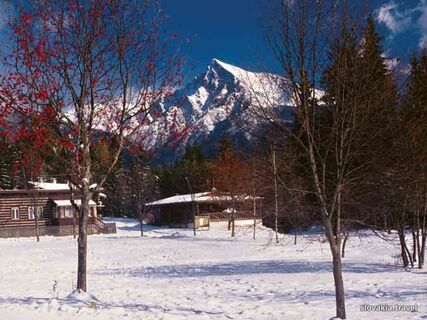
An exceptionally attractive trip is the ascent to the Kriváň Mt. (2,494 m ) a stout peak in the western part of the High Tatras. This mountain is a multiple winner of enquiries about the most beautiful mountain in Slovakia. It is easily recognisable for its conspicuously curved summit, which is the reason why it is called Kriváň (in English Curved Mount).
ZVOZ od Sliezskeho domu na parkovisko nad Tatranskou Poliankou sa vykonáva v „pravidelných“ (zväčša polhodinových) intervaloch.
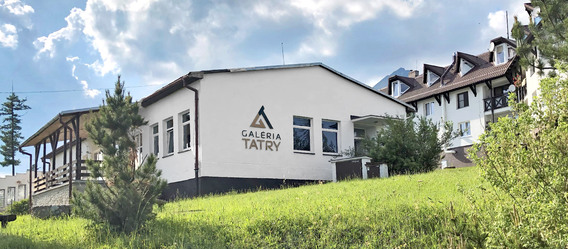
Poliankovo - digitálna galéria a kaviareň je na ploche cca 500 m2, kde sa snažíme vytvoriť pekný vizuálny zážitok a pomocou moderných technológií priblížiť umenie všetkým ľuďom, ktorí nás navštívia.
The mountain hotel Sliezsky dom is the starting point for the trip to the tallest mountain of Slovakia - the Gerlachovský štít peak (2,655 m). The route leads by the terrace-shaped Velická dolina valley, with a beautiful 15 m tall Velický vodopád waterfall. For its botanical diversity, the terrace above the Velický vodopád waterfall bears the name Kvetnica (The Flower Garden).
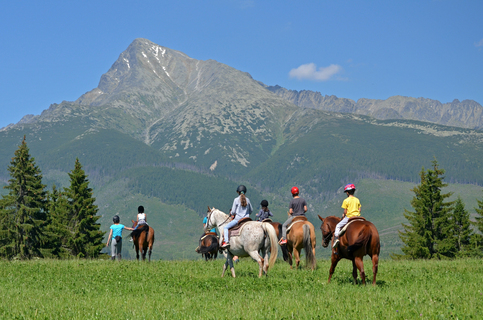
Come with us to experience an adventure on horseback. We will set off together through the beautiful nature of the Tatra Mountains, where the majestic Kriváňa massif will keep us company all the time.
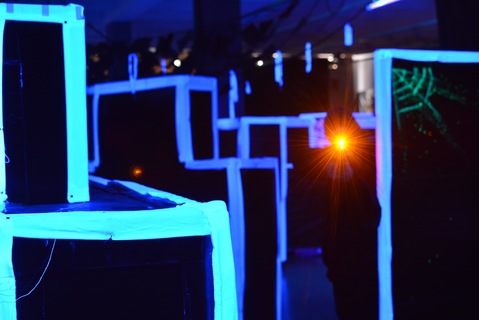
It is one of the greatest arena in Slovakia (576 m2). There are UV bulbs installed to make better effect of gaming. Surely you can choose music to play during the game.
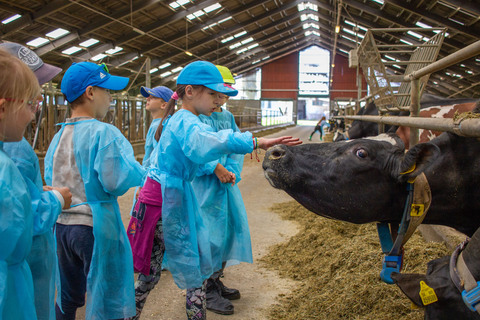
On our organic farm you can see the preparation of feed for our cows and sheep. Farm Východná will allow you to watch live how milk is milked, to meet our adult cows. How to visit a calf nursery where you can pet a calf that was born today!
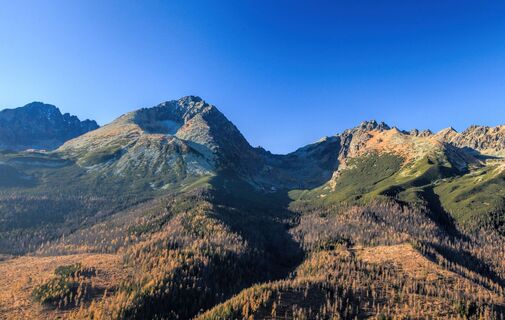
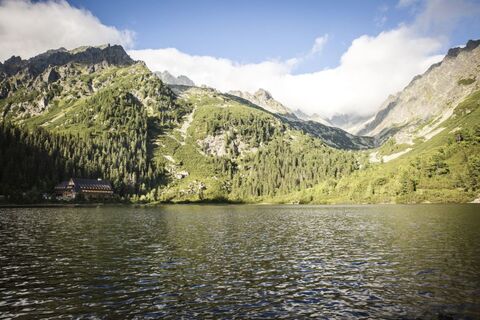
The oldest of our protected areas, the National Park of Tatras (TANAP) in the north of Slovakia, was founded in 1949. It covers the high-mountain area of the Tatras and it is the unique protected area of flora and fauna among the tallest European high mountains situated north of the Alps.
TrickLandia - galéria trick-artu a optických ilúzií.
The place to enjoy and enjoy with your friends
The place to enjoy and enjoy with your friends
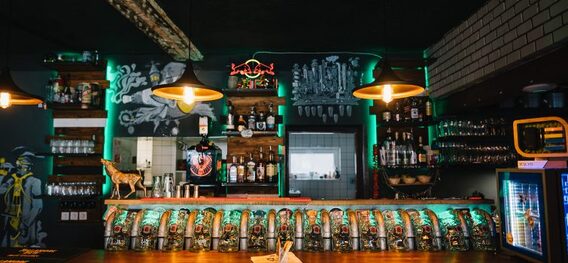
The "GOOD TIMES" pub is the place where everyone can find their taste of beer. Each day, up to 16 kinds of the best of the beer world are on display.
ŽDIAR is a typical Goral community situated between the mountains of the Belianske Tatry and Spišská Magura. It is a tourist centre and the starting point for trips to the mountains Belianske Tatry.
Reštaurácia Penziónu u Hanky v podhorskej obci Telgárt je jedným z mála miest, kde si dnes môžete pochutnať na domácom chlebe s domácim maslom a džemom, ktorý zapijete domácim mliekom alebo čajom pripraveným zo surovín z okolitých lúk a lesov.
Situated in Telgárt in the Banskobystrický kraj Region, 36 km from Tatranská Lomnica, Horehronská Kúria boasts a barbecue and views of the mountain. The guest house has a sun terrace and views of the garden, and guests can enjoy a meal at the restaurant or a drink at the bar. Free private parking is available on site.
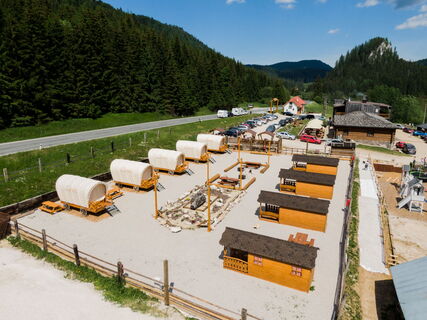
Ranč pod Ostrou skalou neďaleko Dobšinskej ľadovej jaskyne, to je pravý western.
AGROTURISTIKA - možnosť zapojiť sa do chodu gazdovsta a chaty, starostlivosť o zvieratá, ich kŕmenie, čistenie koní, osedlanie koní, pomoc pri ustajnení koní, napájaní, vyhnojovaní, kosiť čerstvú trávu, jazda na traktore. Túto možnosť oceňujú rodičia s deťmi, ktoré tak majú možnosť naučiť sa veľa o zvieratách a prírode, ale aj dospelí milovníci prírody, alebo pod neustálym tlakom pracujúci manažéri. JAZDA NA KONI je pre niektorých jedinečným zážitkom, atrakciou ale aj koníčkom, ktorému venujú celý svoj život. Pre tých čo sa chcú povoziť, naučiť sa jazdiť, starať sa o kone, objednať si celé stádo pre svoje podujatie, jazdiť na saniach, nočné jazdy, výlety po okolí a iné.
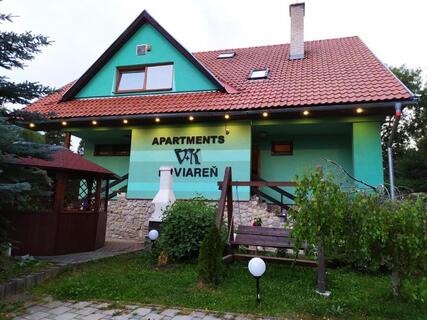
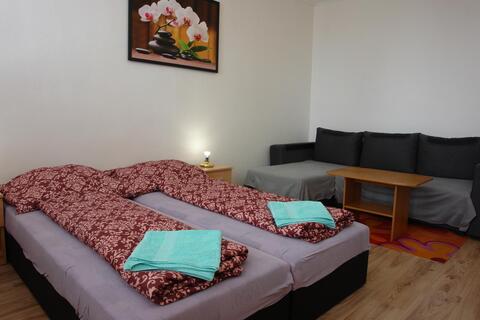
Apartman V+K is situated in Tatranská Štrba. Location is only 8 km from Štrbské pleso.
Reštaurácia Penziónu u Hanky v podhorskej obci Telgárt je jedným z mála miest, kde si dnes môžete pochutnať na domácom chlebe s domácim maslom a džemom, ktorý zapijete domácim mliekom alebo čajom pripraveným zo surovín z okolitých lúk a lesov.
Situated in Telgárt in the Banskobystrický kraj Region, 36 km from Tatranská Lomnica, Horehronská Kúria boasts a barbecue and views of the mountain. The guest house has a sun terrace and views of the garden, and guests can enjoy a meal at the restaurant or a drink at the bar. Free private parking is available on site.
Lučivná Climatic Spa is located amid a forest park in a scenic area below the Tatras.It is situated 816 metres above sea level. The facility specializes in providing spa treatment to children suffering from non-tuberculous diseases of the respiratory tract.
The tradition of the sanatorium in Tatranská Polianka specializing in the treatment of respiratory system diseases dates back as early as the 19th century. Tatranská Polianka is located 1005 metres above sea level, in the forest zone in a slightly cold area. Due to dry air, a favourable sunlight ratio, lower air pressure, lower oxygen pressure and moderate day temperatures without major variations, the climate in the Tatras is perfect for patients with lung diseases.
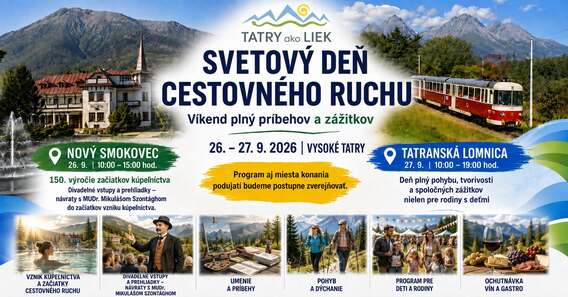
The unique alpine climate of the Vysoké Tatry and its beneficial effect on human organism was one of the main reasons to establish climatic spa in this mountain range, particularly in the settlement Nový Smokovec. MUDr. Nikolaus Szontágh, a physician who possessed some experience from the Alps, founded the spa and opened the first sanatorium in 1876.
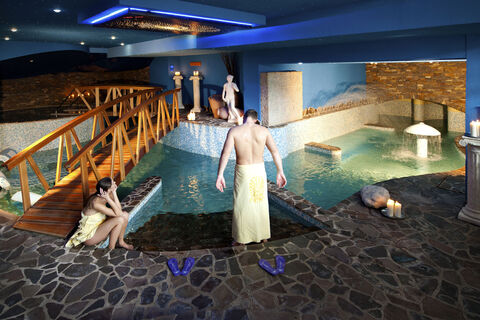
Permon's Paradise is the largest hotel wellness complex in Slovakia.
AquaCity Poprad is a modern and eco-friendly tourist resort which is literally self-sufficient in terms of energy. Using geothermal water and solar energy on a daily basis prevents tonnes of carbon dioxide from being released into the atmosphere. AquaCity manages to cut energy costs and return the savings back to customers in the form of affordable eco-friendly luxury.
Healing springs have been mentioned in the area of Gánovce as far back as 1549. A spa village was gradually built around them.
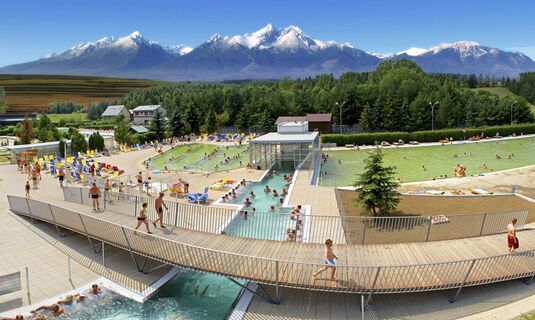
In the Thermal Pool Vrbov you will find the right geothermal water, which is considered one of the best mineral waters in Central Europe containing important mineral substances for the human body. Geothermal water, which the pools are filled by, springs from a depth of over 2000 m and contains minerals with beneficial effects on the musculoskeletal and respiratory system, nervous system, skin and cardiovascular system.
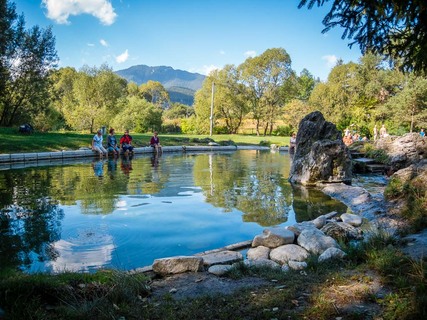
Come and bathe in a natural thermal spring with healing effects in the pleasant environment of Jánská dolina and completely free of charge :)
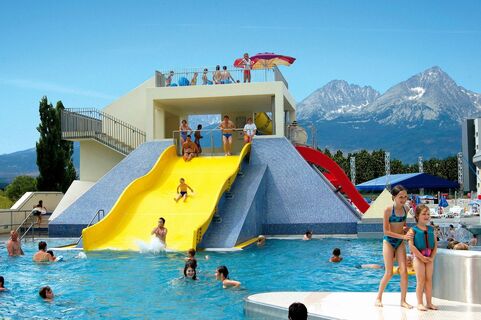
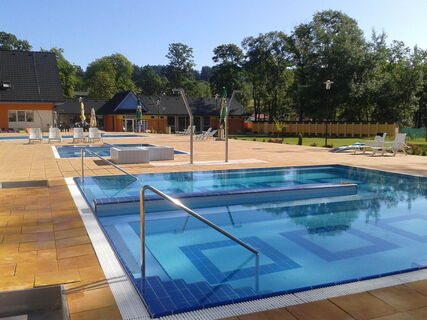
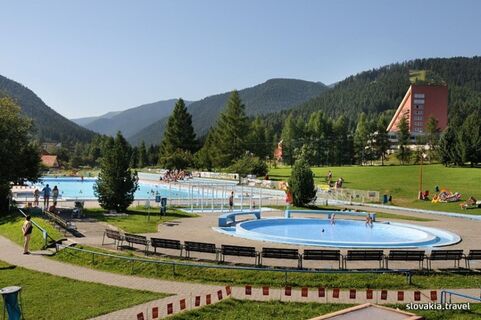
The wells of the spa are filled with waters from the Rudolf spring. The water has healing attributes of rheumatic diseases, disorders of female organs, skin and locomotive organ diseases. In the area of the spa you’ll also find swimming pools, relaxational pools, pools for kids and a pool with a fountain.
Pedal Planet is an exclusive collection of pedal cars, which is one of the largest in Europe.
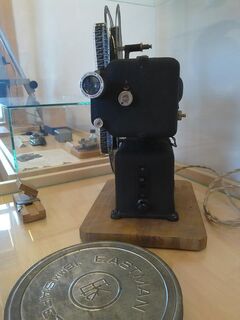
In the very centre of the High Tatras, in the Tatra village of Starý Smokovec, you can find a renovated log cabin called Vila Alica—the new home of the private Museum of Tatra Cinematography and Photography as of June 2015. It takes visitors back in time to the Tatras’ past, a time when the pace of life wasn’t so fast and each tourist wasn’t always equipped with their own individual camera and video recorder. A past with an undisturbed pace, preserved by artists and amateurs alike who managed to record the surroundings in photos and videos.
The Encián Gallery located at an altitude of 1751 metres is the second highest in Europe and the highest location in Central Europe as well as in Slovakia.
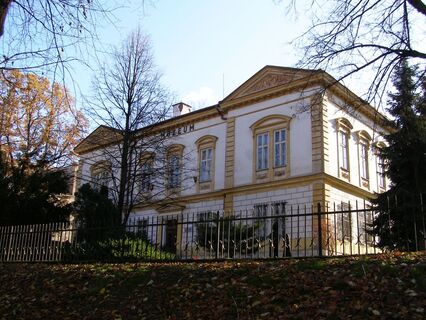
The Podtatranské múzeum Museum in Poprad is one of the oldest museums in Slovakia. It is located in a pseudo-Renaissance building built in 1886 and it will answer many of your questions concerning the history of the sub-Tatra region. The Museum was established by the Hungarian Carpathian Society in 1876.
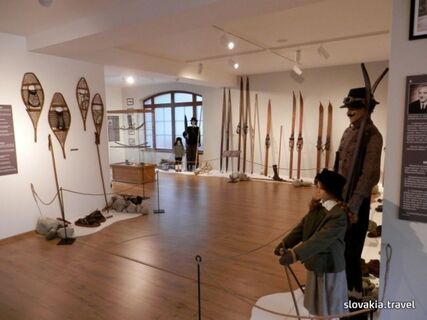
Kompaktne a moderne upravená expozícia súkromného Ski múzea poskytuje návštevníkovi prehľad o vývoji jednotlivých zimných športov vo Vysokých Tatrách od ich počiatku až do roku 1945 na ploche cca 300 m2.
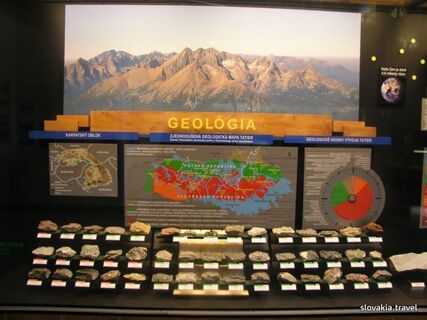
The museum makes visitors familiar with the Tatra nature, its protection, and the history of opening the Tatras to the public.
Museum of Liptov Village is the most attractive landmark of the Liptov region. It displays the typical folk architecture. The impetus behind the establishing of the museum was the extensive flooding caused by the construction of the Liptovská Mara dam.
Vstup do priestorov zámočka sprístupnených verejnosti je bezplatný. Maximálny počet návštevníkov pri jednom vstupe je dvadsať. Pre limitovaný počet odporúča Kancelária prezidenta SR záujemcom o prehliadku priestorov vopred si ju zarezervovať. Objednaní záujemcovia majú prednosť pred neobjednanými.
Most of us think that mining and metallurgy involve very hard work, but when talking about these industries, we also imagine the little miner dwarfs, so-called „permoník“, who belong to every legend about mining; if these miner dwarfs disappear, the wealth from the mines will fade away as well.
The Maša Liptovský Hrádok Museum of Mining and Metallurgy brings together the historical buildings Vážnica and Klopačka, which document the traditions of Hornoliptov mining and metallurgy. These were preserved in active form until the second half of the 19th century. In the premises of Klopačka there is a gallery of selected reproductions of old mining woodcuts from the work of Juraj Agricola. The work "De re metallica libri XII" illustrates the development of mining after the 16th century with technological elements and mining procedures typical of the Liptov region. In Vážnice there is an exposition of the history of mining and metallurgy in Liptov, complemented by the clothes of a miner, a collection of mining lamps and working tools. The Maša Liptovský Hrádok Museum of Mining and Metallurgy presents the history of metal mining and processing in the form of two-dimensional panels with a text part and rich illustrative material. It was mined in the Bocianská and Ľupčianská valleys and in Magurka. Also in the area of Liptovský Hrádok, Kriváň, Western Tatras and Čierny Váh. And also in the central part of the Low Tatras and the area of Dúbrava and Liptovský Kľačany. It will also describe the history of Dolnoliptov mining and metallurgy in the Revúcká valley, in the vicinity of Biele Potok, Liptovská Lúžná, Korytnice and in the Bystrô valley. Part of the Mining Route - a cognitive and experiential product from the portfolio of the Liptov Museum in Ružomberok. National cultural monument.
ŽDIAR is a typical Goral community situated between the mountains of the Belianske Tatry and Spišská Magura. It is a tourist centre and the starting point for trips to the mountains Belianske Tatry.
Looking for a great evening plan, a weekend family outing, or an inspiring cultural experience? Visit Poprad Theatre, offering a rich and vibrant lineup for audience members of all ages!
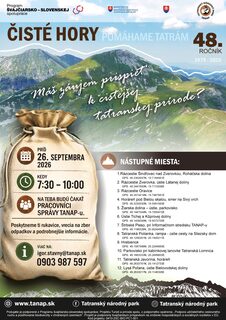
Join the 48th edition of the traditional autumn Tatra cleanup following the summer tourist season! Help clean the Tatra nature at 12 check-in points across the Western and High Tatras.
Experience a unique day filled with stories and history! Come celebrate 150 years of Tatra spa origins with us in Nový Smokovec.
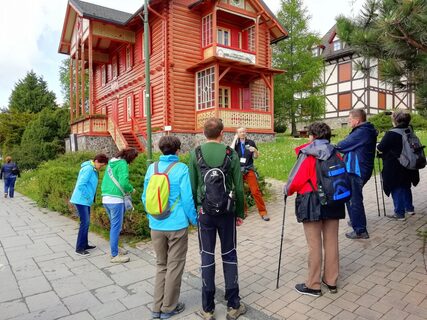
Discover the charm of High Tatra settlements! We invite you to free two-hour guided tours exploring the history, monuments, and sights of the High Tatras region with expert commentary.
Opening doors to places you usually can't reach! Air - Transport Europe invites you to the Open Day of the Helicopter Emergency Medical Service at Poprad Airport.
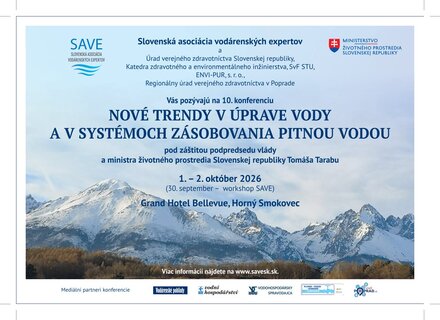
NEW TRENDS IN WATER TREATMENT AND DRINKING WATER SUPPLY SYSTEMS
Discover the charm of High Tatra settlements! We invite you to free two-hour guided tours exploring the history, monuments, and sights of the High Tatras region with expert commentary.
Discover the charm of High Tatra settlements! We invite you to free two-hour guided tours exploring the history, monuments, and sights of the High Tatras region with expert commentary.
Discover the charm of High Tatra settlements! We invite you to free two-hour guided tours exploring the history, monuments, and sights of the High Tatras region with expert commentary.
Discover the charm of High Tatra settlements! We invite you to free two-hour guided tours exploring the history, monuments, and sights of the High Tatras region with expert commentary.