Castle Jasenov

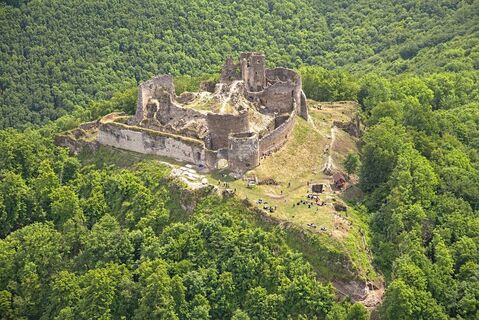
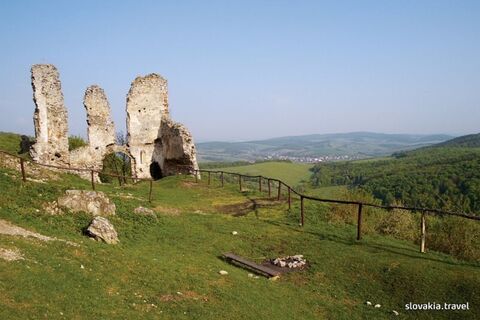
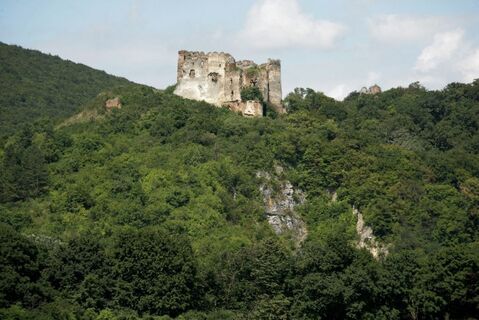
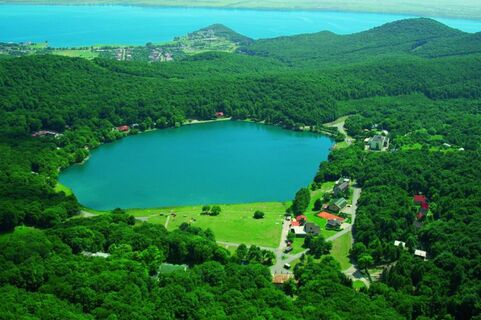
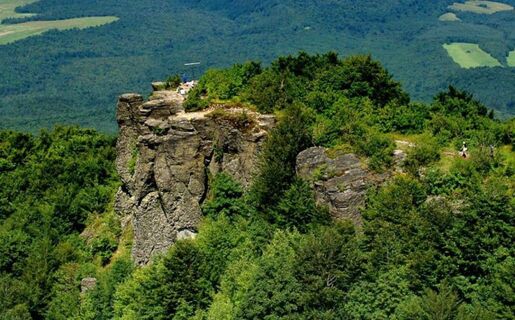
South of Humenné in wonderful woods of the Humenské vrchy Mts. are the ruins of the castle called Jasenov from the 13th century.
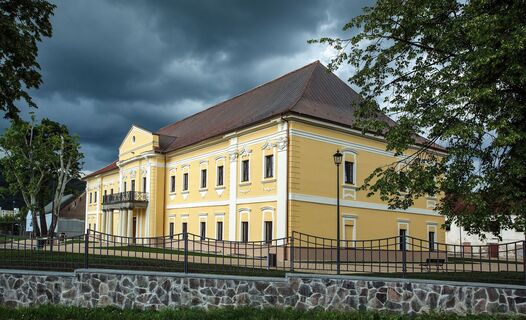
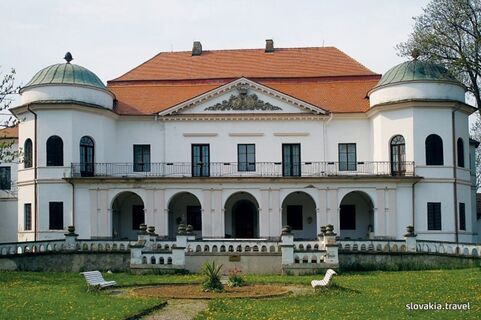
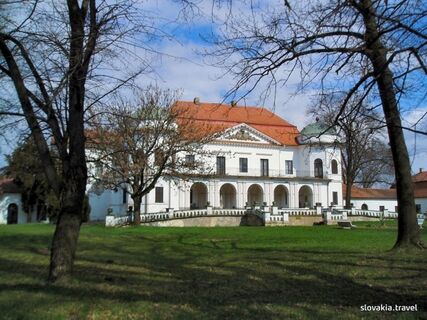
The town Humenné is situated on the middle reach of the Laborec river in the east of Slovakia and it has an originally Renaissance manor house. In the 19th century the manor was reconstructed in the Baroque style, which imitates the French architecture.
The powerful family Drugeth built it on the site of an old Gothic castle and for centuries it was the seat of one of the largest feudal estates in Slovakia.
Later, the Renaissance-Baroque building fell in hands of the noble family Andrássy who reconstructed it into a form similar to French Baroque chateaux.
Now it houses the Vihorlatské múzeum (Museum of the region Vihorlat) with collections from the spheres of art, history and natural history. Their content is related to the region of upper Zemplín. Artistic historical exhibition, gallery of Kings of Hungary, Chinese drawing room, collection of arms, and the unique collection of Celtic-Dacian coins from the 2nd century BC are the interesting items deposited here.
Rare wooden species are grown in the garden of the manor house and there is an open-air museum exhibiting folk architecture.
South of Humenné in wonderful woods of the Humenské vrchy Mts. are the ruins of the castle called Jasenov from the 13th century.
Fans of history will perhaps like to ascend to the ruins of the Brekov Castle rising above the town Humenné on top of the andesite rock with a nice view of the environs, including the towns of Humenné and Strážske.
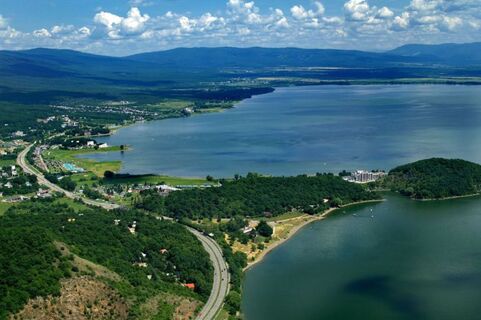
The road south of the Veľká Domaša water reservoir leads below the ruins of the Čičva Castle from the 13th century. The Castle did not survive the last Rákoczis rebellion in 1711 when it was damaged.
The manor house has underwent reconstruction in 2012 and was opened for the public in summer 2013. Currently it is a seat of the city library, museum with a permanent exhibition, gallery and social and cultural events, ceremonies as well as concerts of classic music are organised there.
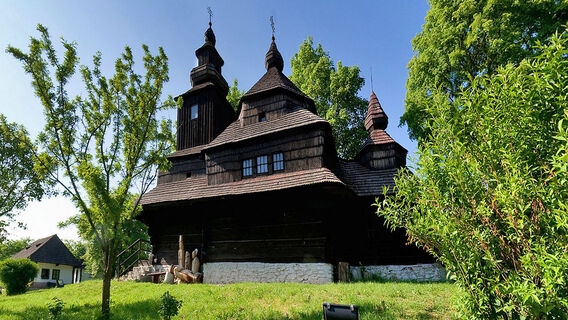
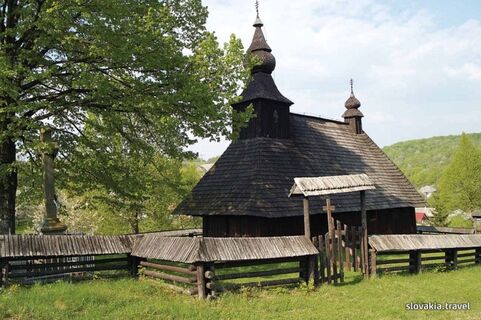
The Greek Catholic wooden church of St Basil the Great was built at the end of the 18th century and later reconstructed. It is a log building divided into three parts. Its exterior is painted in white. Iconostas is from the 18th century and the icon of Christ dates to 1773. The belfry standing in front of the church is from the 20th century.