
Lookout tower Dubeň
Other
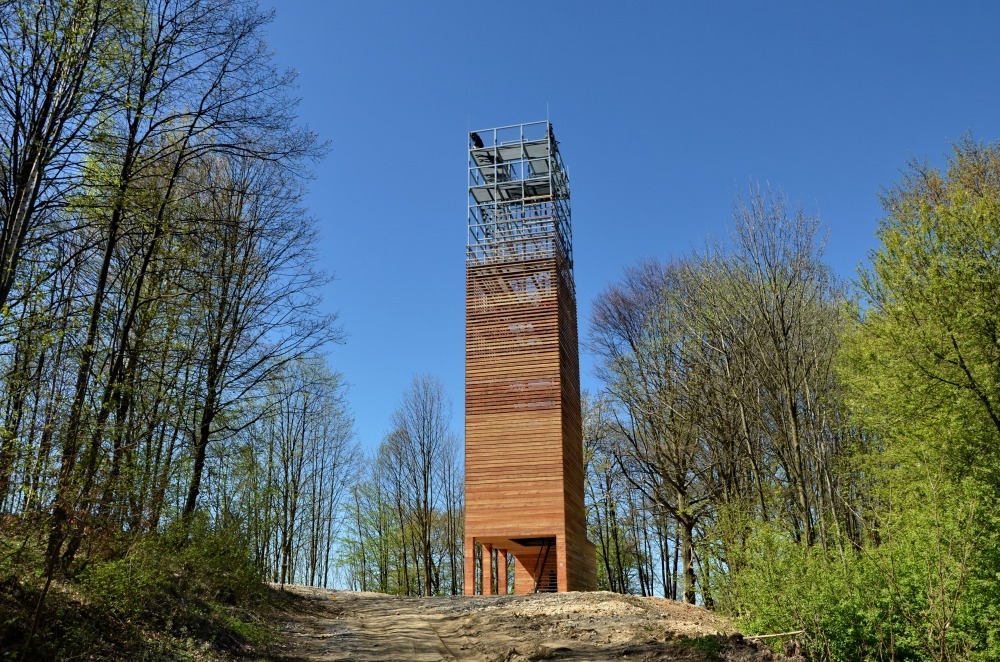
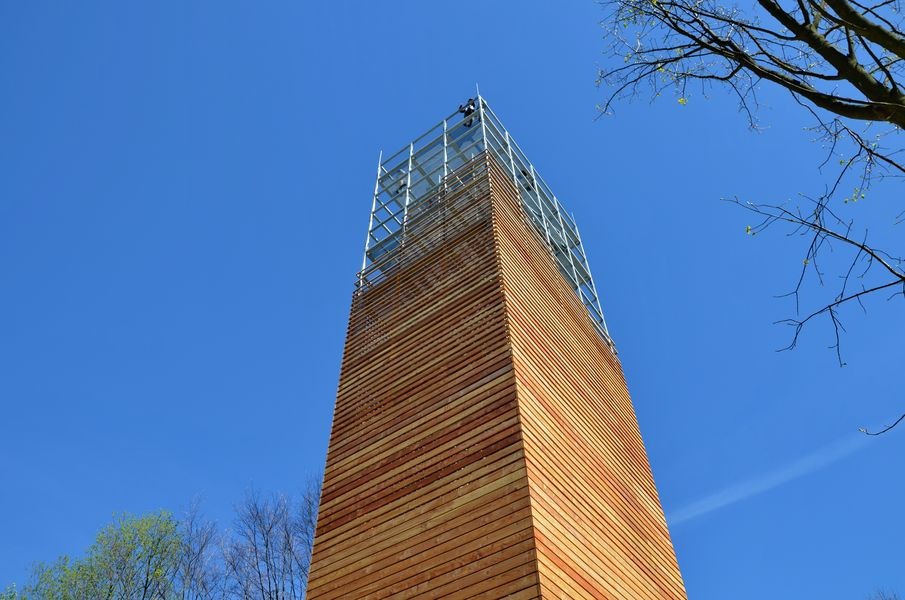
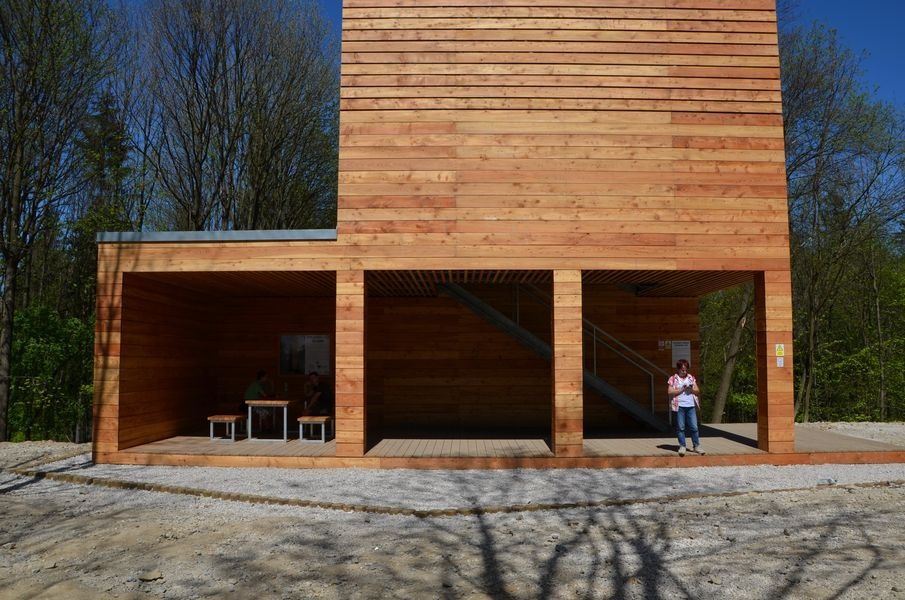
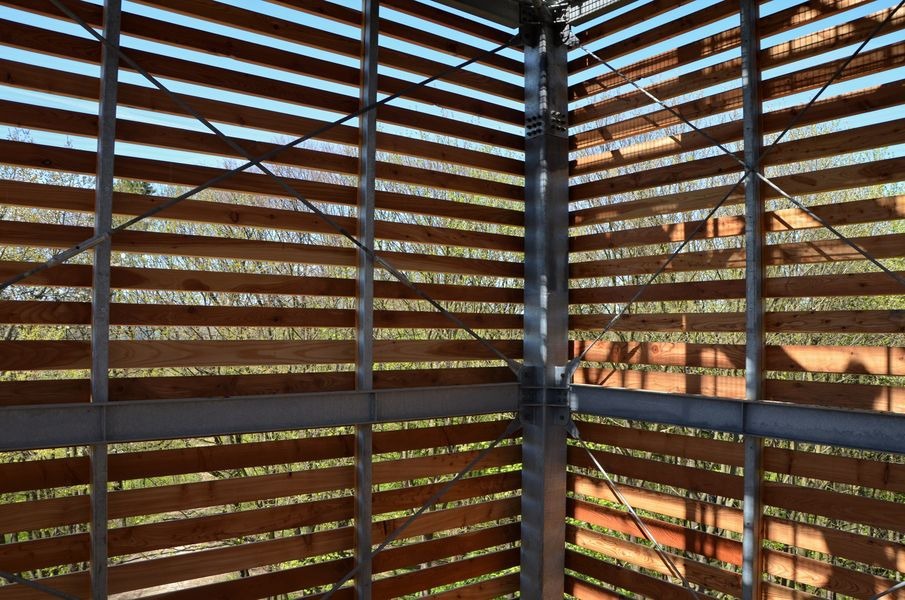
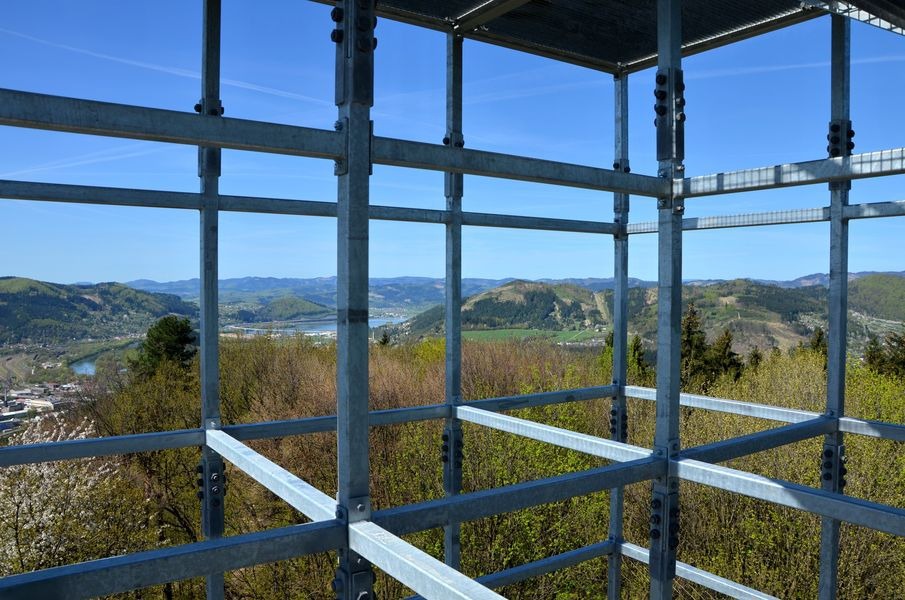
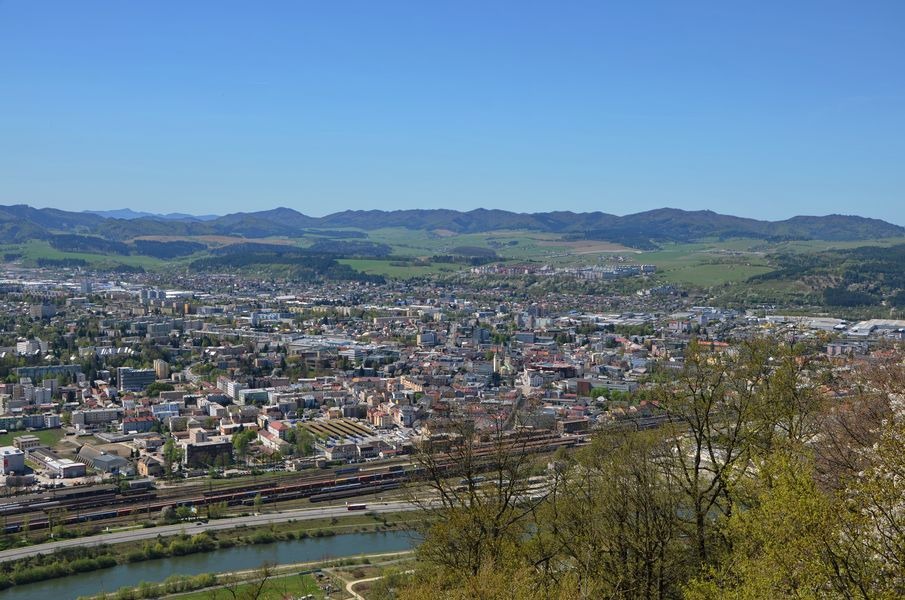
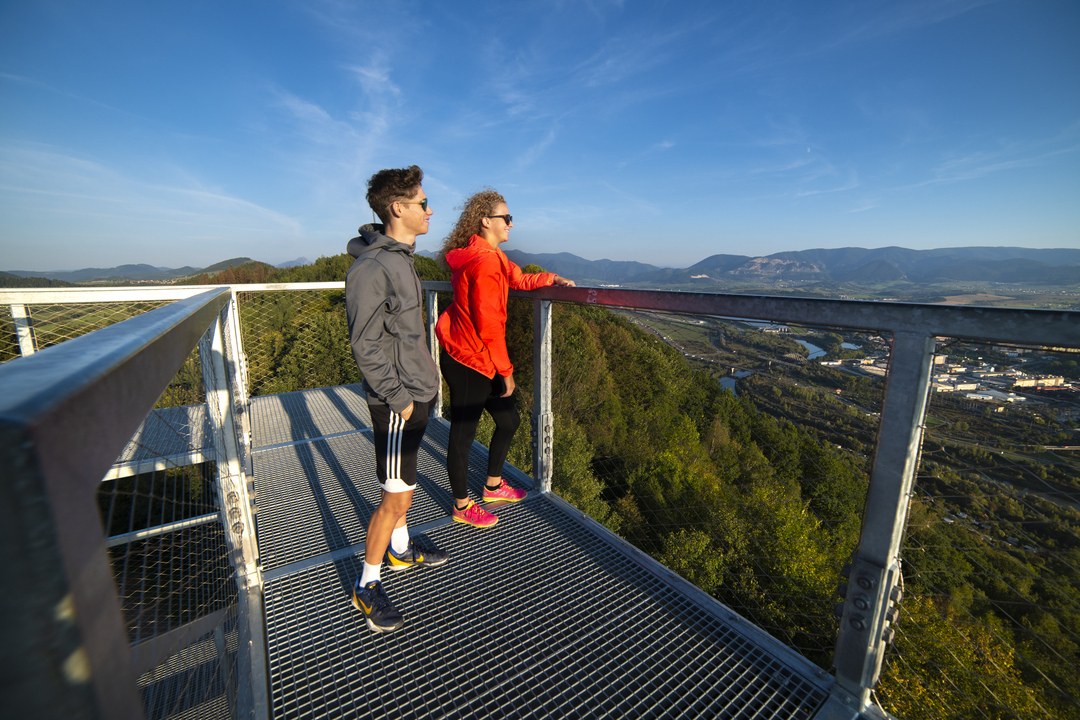
On the Dubeň Hill (613 m above sea level), there is an impressive observation tower above the city of Žilina. The lookout tower is imposing with its height of 27.4 meters and 10 floors. It offers splendid views of the surrounding area and, in particular, the city of Žilina, whose towers will be provide to you as a pocket of handkerchief. There are also masts for television and mobile networks in the vicinity of the tower.
It is freely accessible all year round and it is possible to get there by hiking trails from Zástranie, Zádubnie or Budatín. In these city areas, you can use parking lots to leave your car and then carry on hiking on foot.
The shortest access here is from the Žilina - Zádubnie district. Just a short walk (in the direction towards the city) from the bus stop Prípojná, there is a panel road, at the end of which is a water reservoir for the city district. You will walk along the panel road and at the end turn right to to meadow and walk up the hill along the green hiking trail for about 15 minutes. At the end of the meadow you enter the forest and continue along the green or (more beautiful) red hiking trail. The entire route is approximately 1.4 kilometers long.
The second access is from the district of Žilina - Budatín. The marked trail leads mostly across the forest and has a length of about 2 km.
Loading map...
Vyhliadková veža Dubeň 010 01Žilina
Show NavigationOperation Times
Operation times unavailable.
Weather Forecast

Overcast clouds
15°C/ 8°CDay / Night
Light breeze, 2m/s
North

Few clouds
15°C/ 7°CDay / Night
Light breeze, 3m/s
West
Few clouds
18°C/ 4°CDay / Night
Light air, 1m/s
Southwest

Clear sky
20°C/ 5°CDay / Night
Light air, 1m/s
East
Clear sky
20°C/ 5°CDay / Night
Light breeze, 2m/s
Northeast
Few clouds
18°C/ 6°CDay / Night
Light breeze, 3m/s
East
Clear sky
22°C/ 7°CDay / Night
Light breeze, 2m/s
South
Places Around
Kysucká hvezdáreň
Odjakživa sa ľudia zaujímali o Zem, kde sú jej hranice, čo je za nimi. Existuje vôbec niečo ďalej? Keď prekonali jej hranice prišli nové otázky. O tom, čo všetko sa nachádza v kozmickom priestore, ako vznikol. Zistenie odpovedí je dosť vyčerpávajúce a časovo náročné. Oveľa jednoduchšie je prísť do Kysuckej hvezdárne v Kysuckom Novom Meste, ktorá je pobočkou Krajskej hvezdárne v Žiline. Miesto, ktoré je rajom pre milovníkov hviezdnej oblohy a nadšencov neznámeho.
Plte Strečno
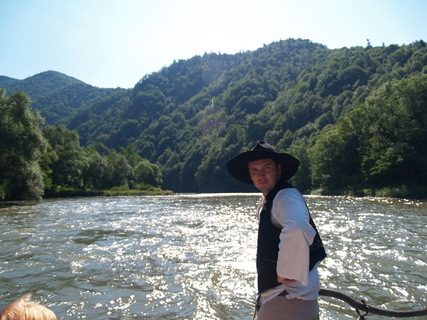
Prvá pltnícka a raftingová spoločnosť s r.o. (PPRS) vznikla v roku 1999 ako podnikateľský subjekt, ktorého hlavnou náplňou je obnovenie tradície pltníctva na Váhu, v jeho historicky najznámejšom úseku – v strečnianskej júžine.
Rozhľadňa Tábor
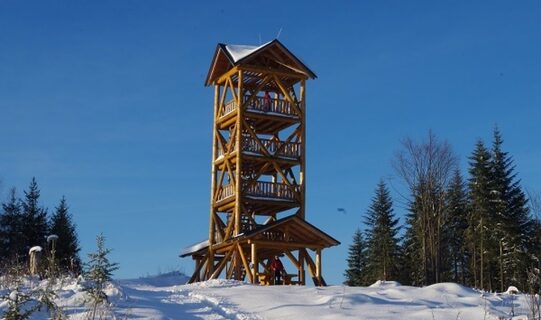
Tábor lookout tower with an altitude of 697 m above sea level. is an ideal tourist destination for a family walk. Kysucké Nové Mesto is in sight from here.
Súľovské rocks (Súľovské vrchy Mts.)
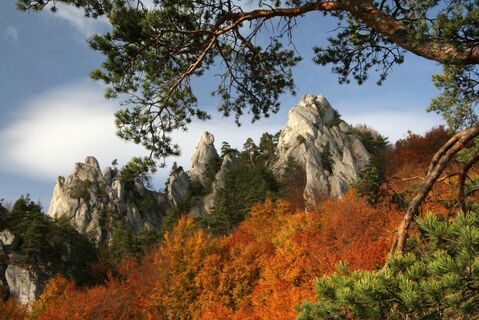
The Súľovské skaly rocks forming an attractive rock town are situated in the north-west of Slovakia, only several kilometres from Žilina. Interesting landforms in form of rock towers, needles, windows and gates separated by deep waterless gorges, ravines and valleys are the results of action of rain, ice, and wind, in other words – chemical and mechanical weathering.
Rozhľadňa na Marťakovskom kopci
Kysucké rozhľadne patria medzi najkrajšie v Českej i Slovenskej republike. Tá nad Zákopčím, na Marťakovskom kopci, bola budovaná v rokoch 2009-2011 z prírodných materiálov dreva a kameňa. Vypína sa v nadmorskej výške 854 m n. m. a poskytuje krásny kruhový výhľad na blízke i vzdialené hory. Dovidíte z nej na kráľovnú Moravsko-sliezskych Beskýd - Lysú Horu, najvyšší vrchol Kysúc - Veľkú Raču i majestátny Rozsutec v Malej Fatre.
Vojtovské minerálne pramene
Pramene sú pomenované podľa svojho výskytu - všetky tri pramene sa nachádzajú na severnom svahu Vojtovského kopca, ktorý uzatvára z južnej strany hranicu mesta Čadca nad údolím nazývaným Rieka. Trasa k prameňom je dobre značená.
Vrátna valley (Malá Fatra Mts.)
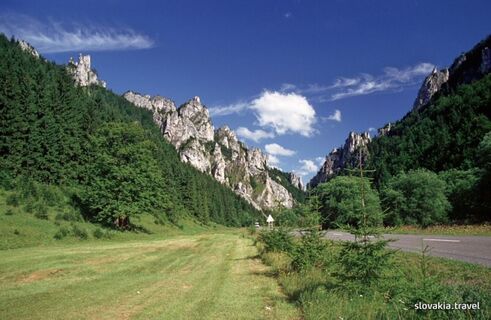
The only access road to the Vrátna valley, the most attractive part of the Malá Fatra Mts. is from the village Terchová. The Vrátna valley has four points of access: Tiesňavy, Stará dolina, Nová dolina and Starý dvor.
Terchovský vláčik
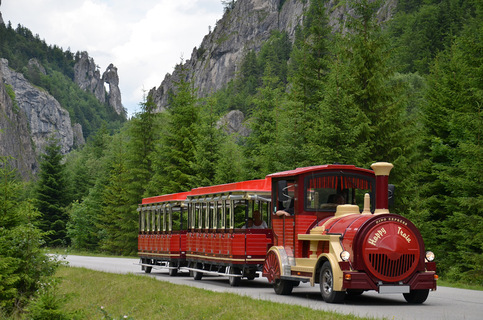
Terchová, Štefanová a Vrátna dolina patria medzi klenoty Malej Fatry a lákajú množstvo turistov a výletníkov. Okrem aktívneho výletu si čaro prírody môžete teraz vychutnať aj prostredníctvom vyhliadkovej jazdy Terchovským vláčikom.
National Park of Malá Fatra
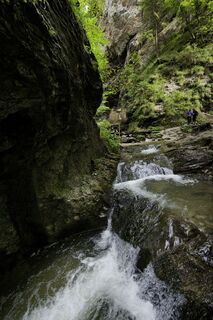
The National Park of Malá Fatra is situated in the westernmost Slovak high mountains Malá Fatra. Gorges, rock peaks and an attractive ridge tour are among its attractions.
Vŕšky Brewery
The first mountain brewery has been operating in Terchová with experienced master brewer since 2012. You can book a tour and tasting the microbrewery in to the Drevenice Terchová Resort. If you just want to taste, the beer is on a tap in the next door restaurant.
Salaš Udiča
Family Farm Ovisfarma sro manages 219 hectares of agricultural land in the cadastral area of Udič, in the beautiful surroundings of Strážovské vrchy.
Reštaurácia Rybárska Bašta
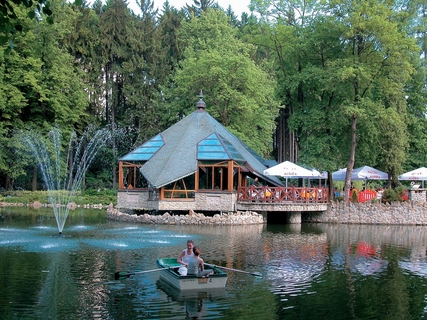
Reštaurácia Rybárska bašta sa nachádza v atraktívnom prostredí, na ostrovčeku uprostred kúpeľného jazierka.
Reštaurácia Slnečný pavilón
Reštaurácia sa nachádza v tichej lokalite Rajeckých Teplíc oproti hotelu Diplomat, v blízkosti centra mesta a kúpeľov. Okrem samotnej reštaurácie je hosťom k dispozícii aj upravený areál záhrady s detským kútikom, altánkom a pódiom slúžiacim pre kultúrno-spoločenské akcie a svadobné obrady.
Kaviareň APHRODITE
Navštívte štýlovú antickú kaviareň priamo v kúpeľnom dome Aphrodite a vychutnejte si exotické druhy káv, miešané alkoholické alebo nealkoholické nápoje. Hosťom ponúkame možnosť usporiadania spoločenských akcií.
Koliba Pod Skalami
Featuring free WiFi, Koliba Pod Skalami offers accommodation in Súľov-Hradná. Martin is 27 km away. Free private parking is available on site.
Vŕšky Brewery
The first mountain brewery has been operating in Terchová with experienced master brewer since 2012. You can book a tour and tasting the microbrewery in to the Drevenice Terchová Resort. If you just want to taste, the beer is on a tap in the next door restaurant.
Kysucká izba
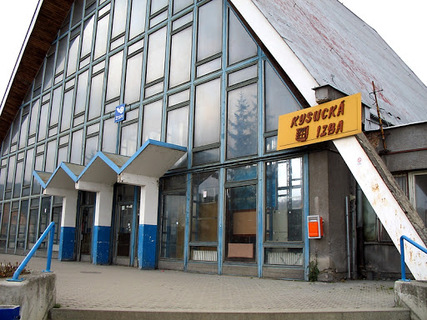
Kysuckú izbu nájdete na železničnej stanici v Čadci. Pre cestujúcu, ale aj necestujúcu verejnosť ponúka široký výber alkoholických a nealkoholických nápojov, čerstvých zeleninových šalátov, obložených bagiet, čerstvo zapekaných panini, jadranskú kopčekovú zmrzlinu a iné občerstvenie. Kysucká izba ponúka posedenie s kapacitou 45 miest vo vnútri a 28 miest na terase.
Koliba Papradno
Enjoy the incoming spring and beautiful natural scenery in the pleasant environment of Koliby Papradno . The facility is located in a preserved environment surrounded by mountain meadows and pastures.
Agropenzión Grunt
Situated in a beautiful mountain environment of the Kysuce Protected Landscape Area, in the center of the village of Papradno, about 17 km from Považská Bystrica, it is focused on recreation of the family character and the countryside of tourism, it is also suitable for organizing smaller family celebrations, weddings, corporate meetings and school gatherings.
Bothe Hotel *** & Restaurant
Short-term and long-term accommodation in twenty rooms and four suites. There is a whirlpool, two meeting rooms with dataprojection and a capacity of 50 seats.
Salaš Udiča
Family Farm Ovisfarma sro manages 219 hectares of agricultural land in the cadastral area of Udič, in the beautiful surroundings of Strážovské vrchy.
Penzion Martinov dvor
The Penzion Martinov Dvor is located in the pleasant village of Teplicka nad Vahom. The Slovak style restaurant with a central fireplace and sun terrace serves traditional Slovak and international food.
Palace Hotel Polom ****
Palace Hotel Polom first opened its doors at the beginning of the 20th century and still provides world-class standard and historic charm right at the main train station in Zilina.
Holiday Inn Žilina ****
Offering a casino open around the clock and free access to the rooftop wellness area overlooking the city, Holiday Inn Zilina is just a 15-minute walk from Žilina’s Old Town. It also features an outdoor tennis court, 2 bars, and the Asian restaurant Gangnam.
Penzión Central Park ***
Penzión Central Park is located in the centre of Žilina and features its own wellness centre with an indoor pool, steam room and Finnish sauna.
Hotel Dubná Skala ****
Featuring a bar and a restaurant, Hotel Dubná Skala is a modern and stylish property in the historic centre of the city of Žilina, close to many shopping opportunities. Free WiFi access is available for guests.
Koliba Pod Skalami
Featuring free WiFi, Koliba Pod Skalami offers accommodation in Súľov-Hradná. Martin is 27 km away. Free private parking is available on site.
Agropenzión Grunt
Situated in a beautiful mountain environment of the Kysuce Protected Landscape Area, in the center of the village of Papradno, about 17 km from Považská Bystrica, it is focused on recreation of the family character and the countryside of tourism, it is also suitable for organizing smaller family celebrations, weddings, corporate meetings and school gatherings.
Bothe Hotel *** & Restaurant
Short-term and long-term accommodation in twenty rooms and four suites. There is a whirlpool, two meeting rooms with dataprojection and a capacity of 50 seats.
Sudopark Klokočov
Sudopark je prvým miestom na Slovensku, kde sa môžete stretnúť s takou atrakciou akou kúpacie sudy nepochybne sú. Sudopark je jedinečný areál v Chránenej krajinnej oblasti Kysuce, ktorý tvoria obnovené drevenice v pôvodnej osade Klokočov.
Thermal Swimming Pool Laura Rajecké Teplice
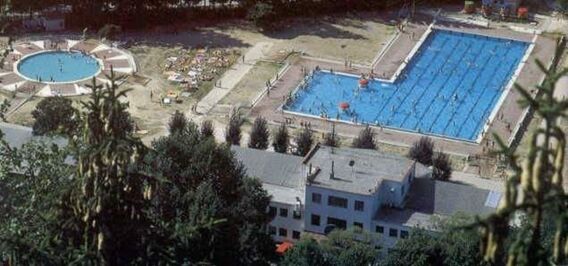
You can bathe in the Laura thermal spa in two swimming pools, from which one is for the children. The water temperature is 20 - 26oC. The area also offers mini-golf, beach volley, restaurants and snack bars with fast food. A parking lot is nearby.
Spa Rajecké Teplice
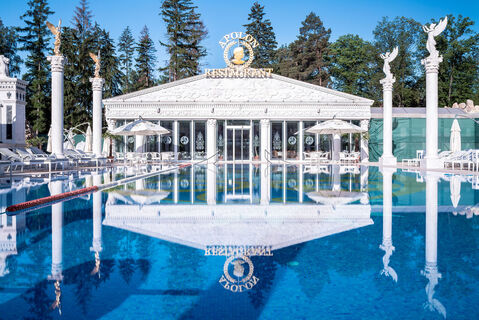
The Aphrodite Spa Rajecké Teplice is situated amid the scenic natural surroundings of the Malá Fatra and Strážovské Hills. The Spa offers healing thermal water with a temperature of 38°C, whose beneficial effects have been known since the fourteenth century. It contains calcium and magnesium ions and is especially good for the locomotor system, neurological diseases, occupational diseases, and drinking cures.
Thermal Pool Veronika in Rajec
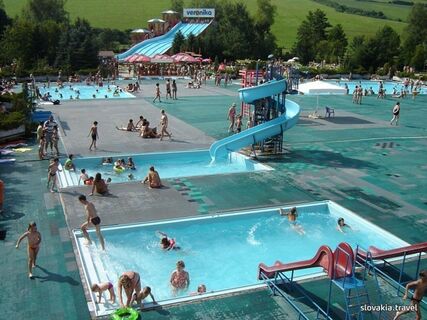
The facility includes eight pools that suit the needs of all kinds of visitors, with the swimming pool being the largest of them, as it is 50 metres long, 21 metres wide and 1.8 metres deep. The centre also features a car park, a wide selection of snacks, sports (beach volleyball, mini golf, table tennis and basketball) and amenities for children (a water slide, a number of slides, jungle gyms and a sand pit).
Golf park Rajec
V krásnom prostredí Rajeckej doliny, medzi obcami Veľká Čierna a Malé Lednice, sa nachádza 9 jamkové golfové ihrisko s krytým driving range, klubovým domom a kvalitnými cvičnými plochami. Ihrisko bolo otvorené v roku 2008 a Žilinsko–rajecký golfový klub, ktorý na ňom pôsobí, má v súčasnosti 370 členov. Ihrisko je vzdialené len 5 km od mesta Rajec smerom na Považskú Bystricu.
Areál športu a oddychu v Turzovke - Závodí
V letných mesiacoch si môžete zahrať petanque, ruské kolky, tenis na antukových dvorcoch, badminton, minigolf či previesť sa areálom na kolobežke či štvorkolke. Samozrejmosťou je vonkajšie a vnútorné spoločenské zázemie -oddychové terasy, lavičky, budova správcu so šatňami, hygienickým a športovým servisom a spoločenskou miestnosťou.
Driving an Armored Transporter
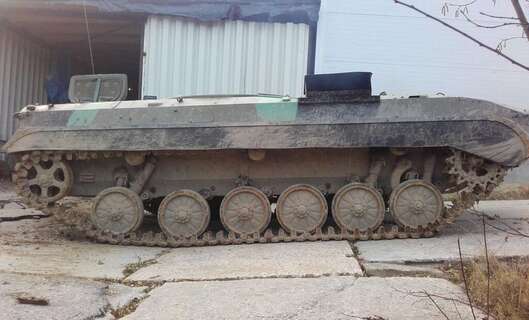
With our experienced instructor, you will experience a ride in the BVP in challenging terrain through forest, streams and, of course, there will be no mud. After all, what would it be like off-road driving if you didn't enjoy it with all the greatness. Your task will be to stick to it and enjoy an unforgettable ride in an armored personnel carrier in the terrain, which you would not dare even in an off-road car.
Mestské kúpalisko v Čadci
Mestské kúpalisko v Čadci bolo vybudované v priebehu jedného roka a otvorilo svoje brány širokej verejnosti 1. júla 2017. Kúpalisko má k dispozícii plaveckú časť i priestor pre detské atrakcie. Voda v bazéne sa ohrieva na cca 28 °C.
Bike Park v Snowparadise Veľká Rača
V Bike parku sa nachádza 5 vyznačených tratí pre zjazd na horských bicykloch v celkovej dĺžke až 10,6 km. Na svoje si prídu rodiny s deťmi aj skúsení jazdci. Náročnejšie trate obsahujú prírodné aj umelé skoky, vlny či klopené zákruty a ich povrch je prevažne prírodný.
Rodinka Resort v Oščadnici
Rodinka Resort je športovo-rekreačný areál, ktorý sa nachádza v stredisku cestovného ruchu Veľká Rača, približne 300 m od zastavanej časti obce Oščadnica. Je vzdialený 7,3 km od hlavnej cesty vedúcej zo Žiliny do Čadce. V samotnom areáli sa nachádza chata Kamilka, chata Michaela, ihrisko a lezecká stena, wellness a požičovňa. Absolútnou novinkou je Adventure golf.
Sudopark Klokočov
Sudopark je prvým miestom na Slovensku, kde sa môžete stretnúť s takou atrakciou akou kúpacie sudy nepochybne sú. Sudopark je jedinečný areál v Chránenej krajinnej oblasti Kysuce, ktorý tvoria obnovené drevenice v pôvodnej osade Klokočov.
Synagogue in Žilina
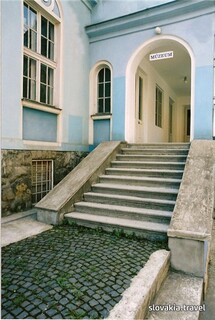
The synagogue of the Orthodox Jewish community was built in 1927 according to plans of an unknown author.
Považie Gallery of Art
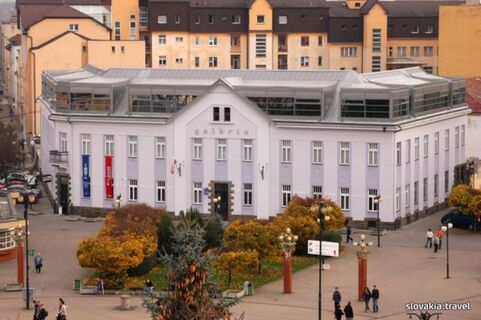
The Považie Gallery of Art was founded in 1976, followings its separation from the Považie Museum. In the late 1970s and throughout the 1980s, its regularly-held exhibitions focused mainly on contemporary Slovak drawing. The gallery is managed by the Žilina Self-governing Region.
Žilina Town Theatre
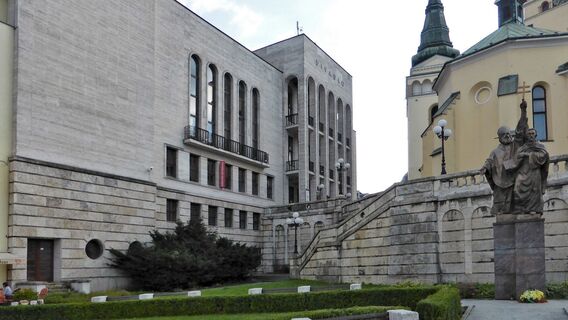
Mestské divadlo Žilina sídli v budove, ktorá bola postavená ako Reprezentačný dom Žiliny v rokoch 1942-1944 podľa projektov moravsko-nemeckého architekta Ota Reichnera. Stavba nesie znaky talianskeho neoklasicizmu a pôvodne sa v nej nachádzali kultúrne priestory, cirkevná škola a honosná radná sieň.
Kostol Najsvätejšej Trojice (Katedrálny chrám)
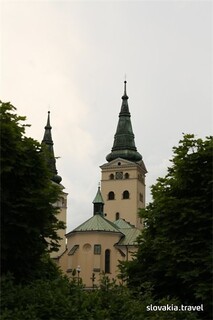
Je najvýznamnejším a najstarším objektom v meste. S veľkou pravdepodobnosťou v blízkosti a na mieste dnešného kostola stál od 13. storočia hrad, o čom máme písomné správy od roku 1318 do roku 1454.
Rosenfeld palace
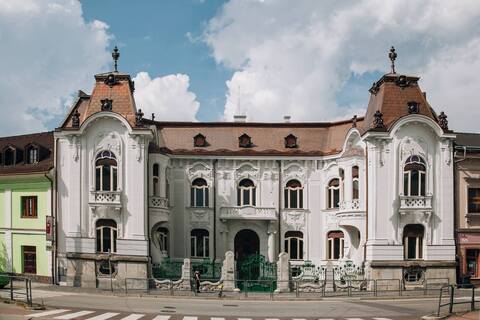
Rosenfeld Palace located in the historic center of Žilina has a rich history. It was built in 1907 as a miniature imitation of Vienna's Belvedere Castle. The palace is one of the most beautiful monuments in the city and the largest cultural monument in the property, which has been preserved almost in its original condition.
Museum of Považie in Žilina
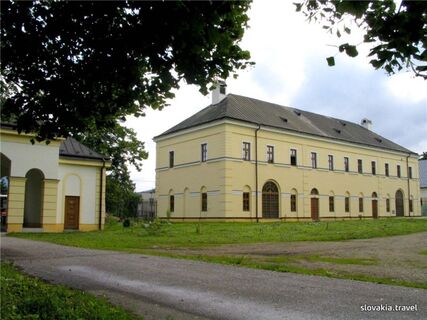
The Museum of Považie in Žilina is situated in the premises of the Budatín Castle on the northern outskirts of Žilina.
Castle of Budatín
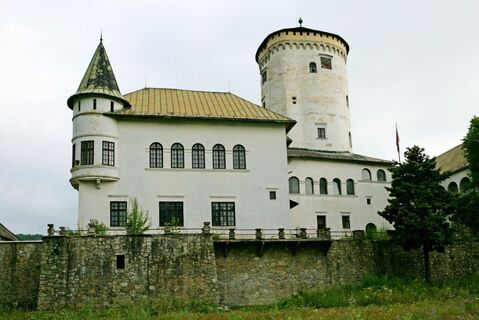
The Castle of Budatín with a strategic position at the confluence of the Váh and the Kysuca rivers is a dominant of Žilina.
Puppet Theatre Žilina
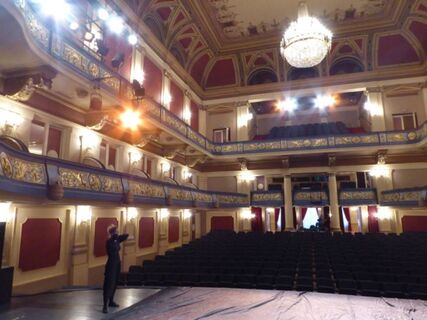
Bábkové divadlo Žilina je najstaršie profesionálne bábkové divadlo na Slovensku. V roku 2015 oslávuje 65 rokov existencie.
Trnové - gothic wooden Roman Catholic church
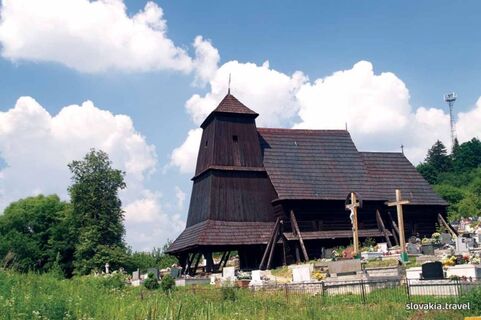
The gothic wooden Roman Catholic church of St George is the oldest architectural monument in village Trnové. It stands on the local cemetery.
Kaštieľ Radoľa
Kaštieľ Radoľa sa nachádza v blízkosti Kysuckého Nového Mesta. Táto obec je považovaná za jednu z najstarších obcí na našom území. Prvá písomná zmienka pochádza z 13. storočia, kedy na území Slovenska vyberali pápežskí legáti cirkevné desiatky.
Events Around
Spoznajte nevšednú minulosť Čadce prostredníctvom moderných technológií a vzácnych artefaktov, ktoré ponúka stála expozícia Dejiny Čadce a okolia
Sep 20, 2022–Dec 31, 2027
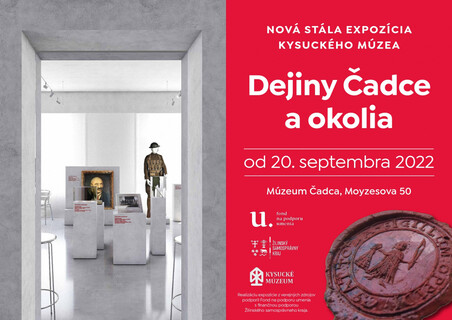
Kysucké múzeum, organizácia v zriaďovateľskej pôsobnosti Žilinského samosprávneho kraja, pozýva širokú verejnosť na novú stálu expozíciu Dejiny Čadce a okolia.