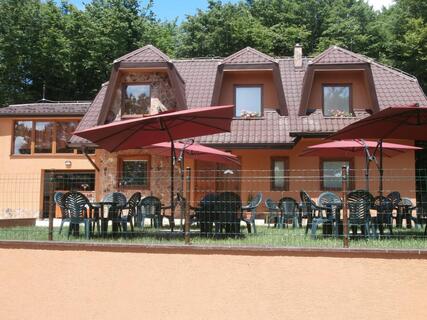
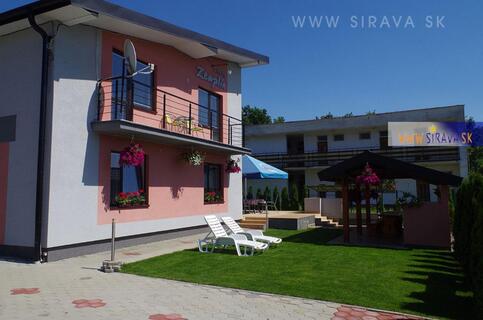
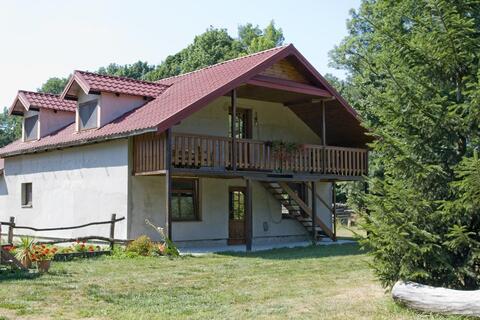
Penzión Prameň
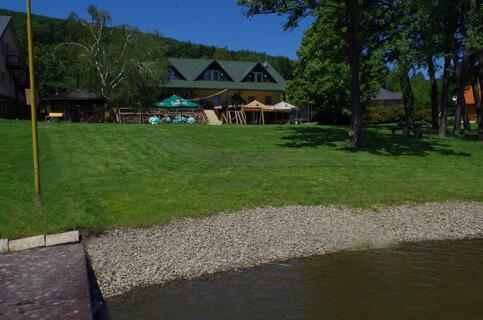
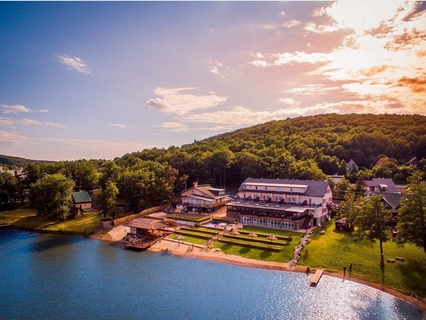
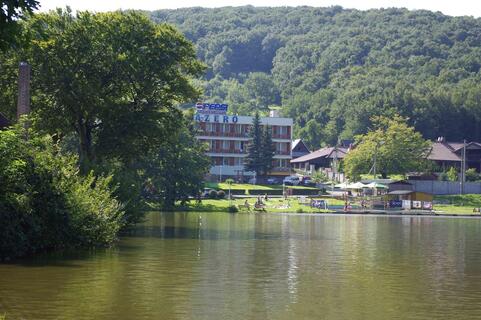
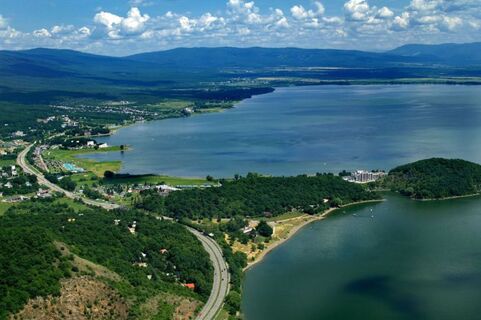
Vinianske Lake is located in a beautiful forest environment 11 km from Michalovce. Thanks to the relatively small area and the protection of the surrounding forests against the wind, it can boast extremely warm water, and therefore it is undeniably a great attraction for tourists and an ideal place to relax by the water. It is also known abroad and many tourists from Poland, Hungary, Ukraine, Germany and the Netherlands come for its beauties. Due to its excellent climatic conditions and truly beautiful nature, it is one of the most popular tourist destinations in Slovakia.
It has its appeal in all seasons. In summer it is attractive for tourists to swim, in autumn for mushroom picking and fishing, in winter for cross-country skiing and ice skating. it is a year-round popular place for hiking and relaxing stays.
The lake was created in a saddle at the foot of two hills, Marečková and Šutová, by creating an artificial dam and bringing water from the Viniansky stream. The artificial lake covers an area of 8 hectares and has an average depth of 3 m. The resort provides a number of accommodation and restaurant services, as well as other services for sports.


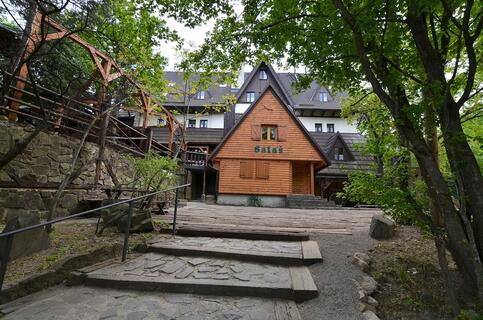
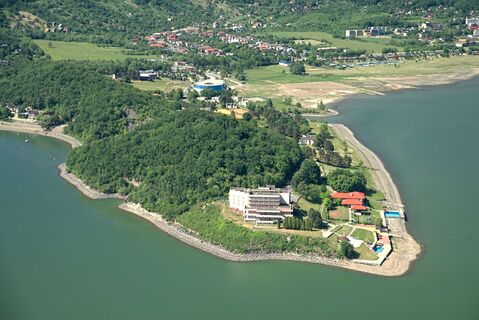
The location of the Medvedia hora resort is located in the most valuable landscape area, at the foot of an elevated promontory - a peninsula of volcanic origin. The picturesque view of the lake shore is connected with the view of the Bear Mountain. The resort is divided by a promontory into eastern and western parts. In the western part of Medvedej hora there is a recreational area with an area of 3 ha with a modified pebble beach, water bike rental, car camp ATC Anima and there is also a parking lot for about 250 cars and Pension Anima. Above the road is the Europenzión restaurant Salaš.
In the northern part of the lowland Východoslovenská nížina, the water reservoir attracts in summer season. Due to its very favourable local climate, it is widely used for recreation.
Splavte s nami zemplínske rieky Ondavu, Laborec, Topľu, Cirochu, Latoricu. Požičiame Vám kanoe s príslušenstvom a dopravíme ich na miesto štartu a z miesta cieľa. Vybrané úseky riek sú vhodné aj pre úplných začiatočníkov. Možnosť viacdenných splavov.
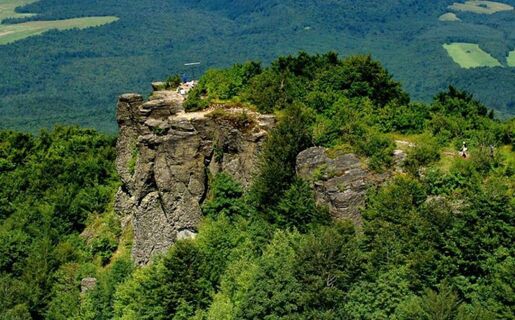
Prírodná pamiatka Sninský kameň sa nachádza v pohorí Vihorlat v katastri obce Zemplínske Hámre. Pre veľký vedecký a kultúrno-spoločenský význam bol Sninský kameň vyhlásený v roku 1982 za Chránený prírodný výtvor. V súčasnosti možno Sninský kameň nájsť ako prírodnú pamiatku, ktorú tvorí tzv. neplodná plocha (skala) obklopená ochranným lesom.
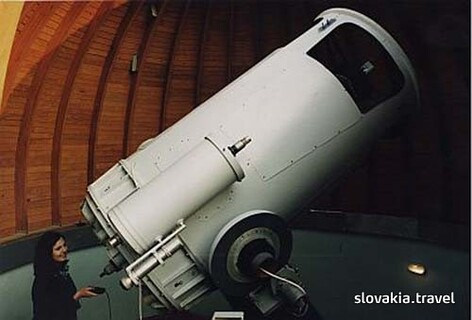
Vihorlatská hvezdáreň Observatory in Humenné is a regional specialized scientific-research and cultural and educational institution focusing on astronomy and related natural sciences.
Tyrkysové jazierko vzniklo v bývalom kameňolome, kde sa našla skamenelina 5 metrov dlhej ryby, preto bolo ťažba zastavená. Zároveň došlo k zaplaveniu kameňolomu spodnou vodou a vytvoreniu jazierka, ktoré svojou scenériou pripomína Plitvické jazerá. Beňatina sa nachádza v okrese Sobrance medzi dedinami Beňatina a Inovce.
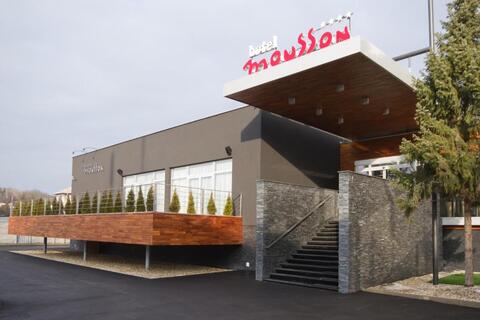
This air-conditioned 4-star hotel is 1.5 km away from the Main Train Station in Michalovce and a 20-minute walk from the Zemplin Museum.
Featuring a garden and a seasonal outdoor pool Ranč Nová Zem offers accommodation in Blatná Polianka. Uzhhorod is 16 km away.
Wellness Hotel Vinnay is located on the shore of Vinianske Lake, 8 km from Michalovce and 2 km from the Zemplínska Šírava Thermal Park in a recreational area of Zeplinska Sirava. It features modern rooms, a lá carte restaurant with a spacious terrace where you can enjoy lake views. Hotel also offers a wellness centres, a private beach with sunbeds in summer season, a pool for children as well as a kid´s corner.
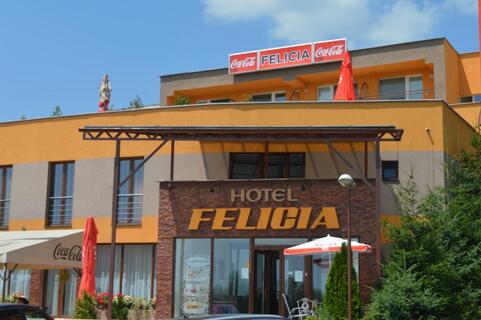
Situated in Kaluža, 300 m from Zemplinska Sirava, Hotel Felicia boasts a restaurant and free WiFi. Free private parking is available on site.
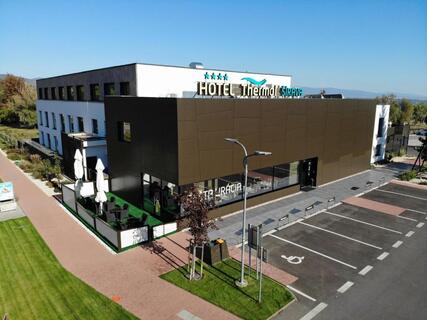
Hotel Thermal ŠÍRAVA is a modern 4-star hotel located by the Zemplínska Sírava Water Dam. It offers accommodations in comfort rooms and apartments.
Wellness hotel Chemes ** sa nachádza na brehu vodnej nádrže Zemplínska šírava, v rekreačnej oblasti Kamenec. Hotel poskytuje ubytovanie v komfortne zariadených izbách, apartmánoch a disponuje ubytovacou kapacitou 126 lôžok v 56 izbách.
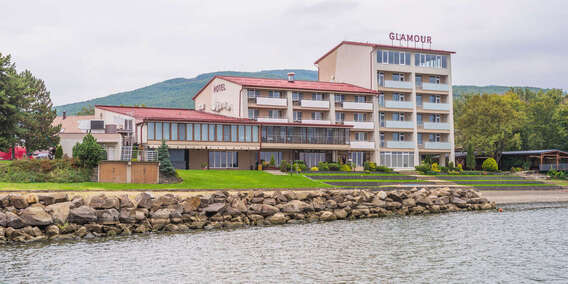
Hotel Glamour **** is a modern, comfortable 4-star hotel situated in attractive surrounding on the side of Zemplínska Šírava. High standard of services will be appreciated by families with children, lovers of leisure activities, relax, tourism, as well as companies organizing teambuilding activities and business meetings.
This air-conditioned 4-star hotel is 1.5 km away from the Main Train Station in Michalovce and a 20-minute walk from the Zemplin Museum.
Featuring a garden and a seasonal outdoor pool Ranč Nová Zem offers accommodation in Blatná Polianka. Uzhhorod is 16 km away.
Thermalpark Šírava is a modern thermal park on the shores of the Zemplínska šírava dam in the village of Kaluža. It is situated on a picturesque peninsula called Medvedia hora (Bear Mountain), which is considered one of the most beautiful places at Zemplínska šírava.
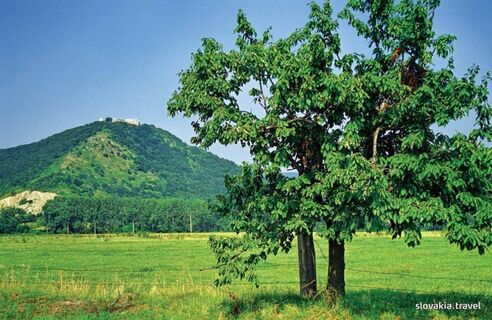
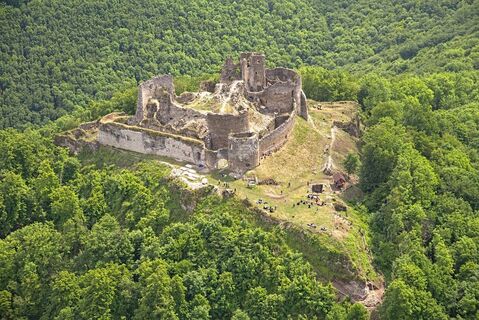
The castle is situated north-west of the East-Slovakian village Vinné.
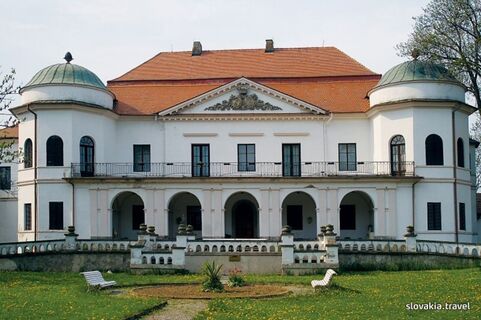
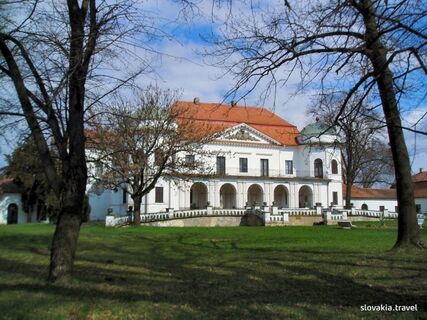
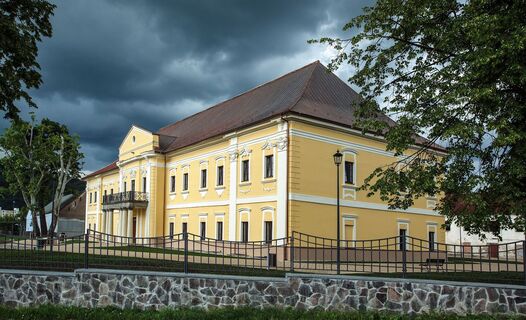
The most attractive cultural monument of the town Michalovce in the east of Slovakia is its manor house. It stands in the middle of the town on the bank of the Laborec river, on the site of the old water castle, which protected the territory against the enemy assaults.
At the Zemplín Museum you can learn all the necessary information about cultural, historical and economic development of Zemplín region as well as its animate and inanimate nature. It is situated in a manor house, which is a cultural monument. The museum was founded in 1957. It contains several permanent expositions and often it is a place where other exhibitions are held.
South of Humenné in wonderful woods of the Humenské vrchy Mts. are the ruins of the castle called Jasenov from the 13th century.
The town Humenné is situated on the middle reach of the Laborec river in the east of Slovakia and it has an originally Renaissance manor house. In the 19th century the manor was reconstructed in the Baroque style, which imitates the French architecture.
Fans of history will perhaps like to ascend to the ruins of the Brekov Castle rising above the town Humenné on top of the andesite rock with a nice view of the environs, including the towns of Humenné and Strážske.
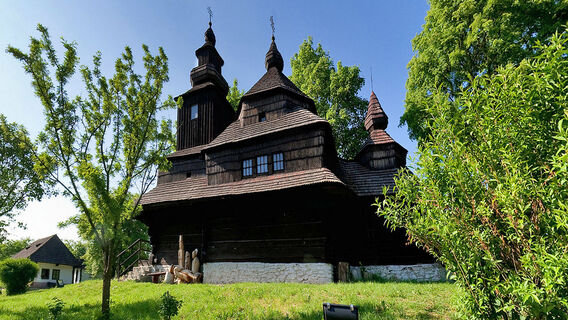
The Greek Catholic wooden church of St Michael the Archangel was built in 1764. It is a log building of the Lemko type, which consists of three parts and three towers. Iconostas is from the 18th century, some icons are even older - from the 16th and 17th centuries. The building part of the exhibition of popular architecture and dwelling of theMuseum in Humenné inhabits it since 1974-1977 when it was moved there.
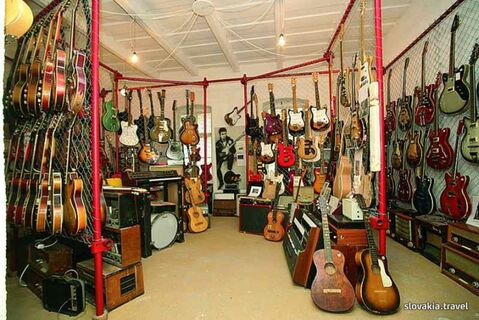
Do you think that the guitar is a unique musical instrument and that it deserves its own museum?! All guitar fans should expect something of rare occurrence in the town of Sobrance. The museum includes approximately 200 guitars of a total of 1,000 exhibits that can hardly be seen together in any other place, as it is the only guitar museum in Europe and only the second worldwide!
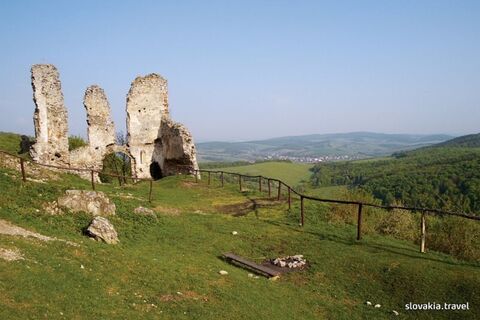
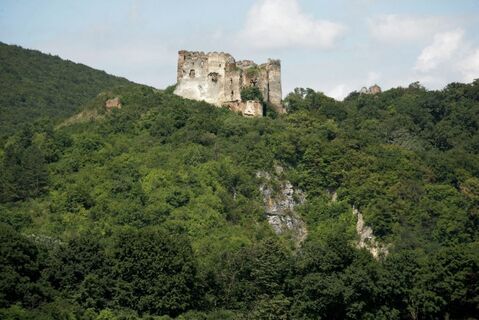
The road south of the Veľká Domaša water reservoir leads below the ruins of the Čičva Castle from the 13th century. The Castle did not survive the last Rákoczis rebellion in 1711 when it was damaged.
The manor house has underwent reconstruction in 2012 and was opened for the public in summer 2013. Currently it is a seat of the city library, museum with a permanent exhibition, gallery and social and cultural events, ceremonies as well as concerts of classic music are organised there.