Autocamp Rudava

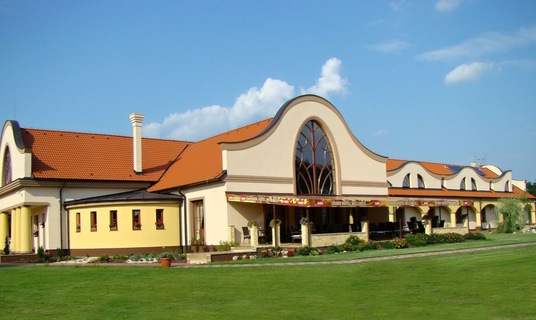
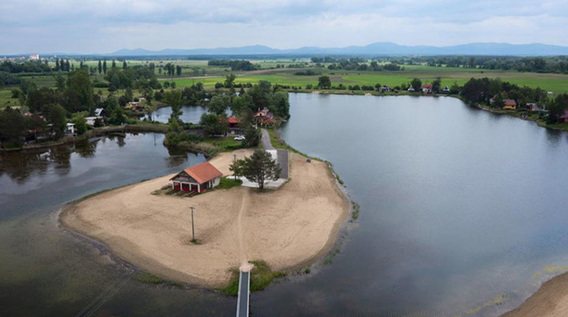
Autocamp Rudava is a well-known destination visited by tourists from all over the world.
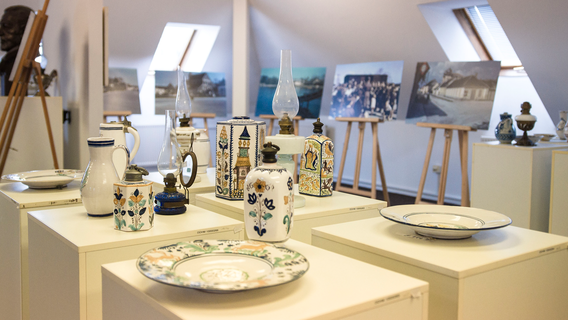
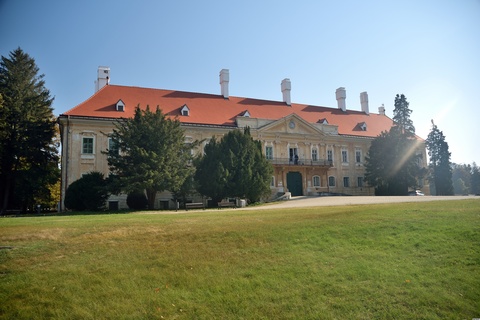
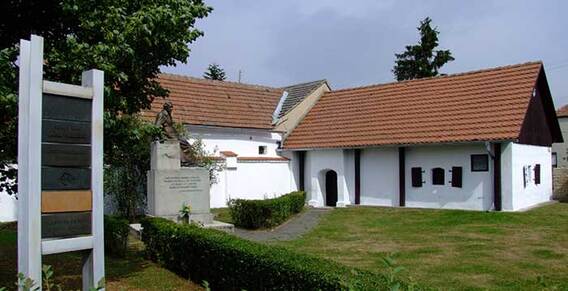
VEĽKÉ LEVÁRE was settled by the Habans, also referred to as the Hutter brothers, Anabaptists or neophytes. In 1592, the Haban yard was built around the local square. It is the largest surviving locality of the original dwelling of Habans in Europe.
Habans were in fact members of the Anabaptist Church founded at the beginning of the 16th century in Alpine countries. Habans arrived in Slovakia by the end of the same century. They tried to imitate the way of life of the primeval Christians based on common property and production of tools and consumer goods. They addressed each other brother and sister and obeyed their spiritual leader. Habans referred to their homesteads as „brotherhood yards“. Big halls in basement of houses made of unburnt bricks with a central pillar were used for common workshops or dining rooms.
| Monday | Closed |
|---|---|
| Tuesday | 10:00 – 15:00 |
| Wednesday | Closed |
| Thursday | 10:00 – 15:00 |
| Friday | Closed |
| Saturday – Sunday | 14:00 – 16:00 |
Autocamp Rudava is a well-known destination visited by tourists from all over the world.
Construction of our world-class resort project comprising two complexes – Golf Residence Senica and Penati Golf Resort – began in 2006. This unique resort composed of recreational cottages and family houses near two top-quality 18-hole golf courses – Legend Course and Heritage Course – is located near the town of Šajdíkove Humence, only a stone’s throw from the district seat, Senica.
One of the centres of the cult of the Virgin Mary of Seven Grievances, the patron saint of Slovakia is the church in Šaštín of 1736. It is visited by thousands of pilgrims not only from Slovakia but also from abroad.
The Plavecký hrad Castle, subject of many legends, is the most important attraction of the western slopes of the Malé Karpaty Mts.
Bratislava is the ideal starting point for a trip to the Pajštún Castle next the village Borinka in the Malé Karpaty Mts.
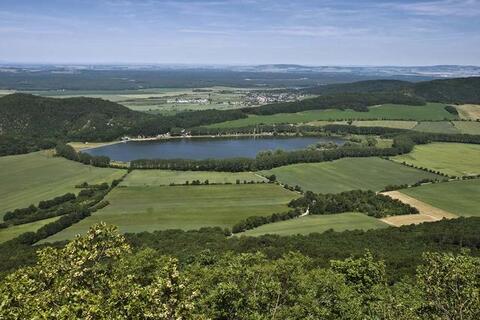
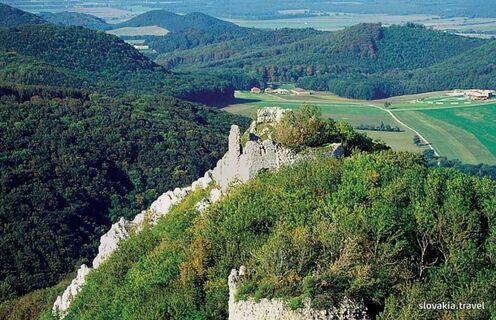
North of Smolenice is the village Buková with water reservoir and a marked route, which leads southward to the romantic ruins of the Castle Ostrý Kameň from the 13th century. The Castle was a royal border fort guarding the Czech road in the past.
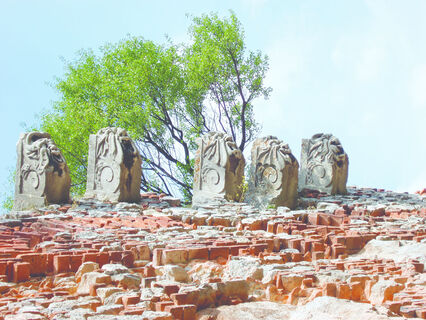
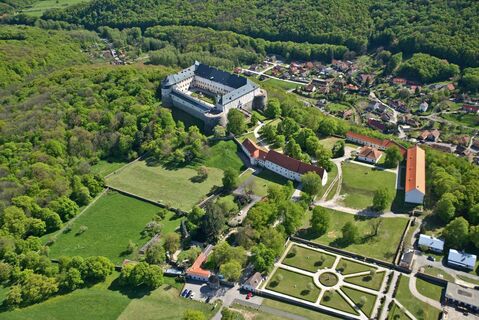
The most beautiful castle in the Malé Karpaty mountains, situated just several tens of kilometres from the Capital Bratislava is one of the best preserved Slovak Castles - Červený Kameň. In the 16th century, it was rebuilt into a bulky fortress with a fortification system that was then one of the top military-defensive systems.
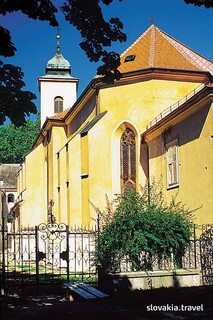
The most important sacral building in the village Marianka is the Roman Catholicchurch of Nativity of the Virgin Mary.
Schaubmars mill (Schaubmarov mlyn) in Pezinok, in western Slovakia, is considered the biggest mill on a brook in Slovakia and also one of the biggest in Europe. It is the cultural and technical monument, which represents the type of yeoman mills from the 16th to 18th centuries.
Ľudovít Štúr Museum in Modra is part of the Slovak National Museum. It is located in the centre of the town of Modra, in the so-called Emresz's House, which was owned by the family of Karol Štúr's wife and where Ľudovít Štúr spent a great deal of time bringing up his brother's sons after he moved to Modra in 1851. He eventually died in this house on January 12, 1856.
The winegrowing town of Modra, situated below the Malé Karpaty mountain range in western Slovakia is closely connected with Ľudovít Štúr, the representative of the national movement, who spent the last years of his creative life here. Besides the museum, there is his tombstone and two memorials to commemorate his life.