
Santovka Wellness
Water Park
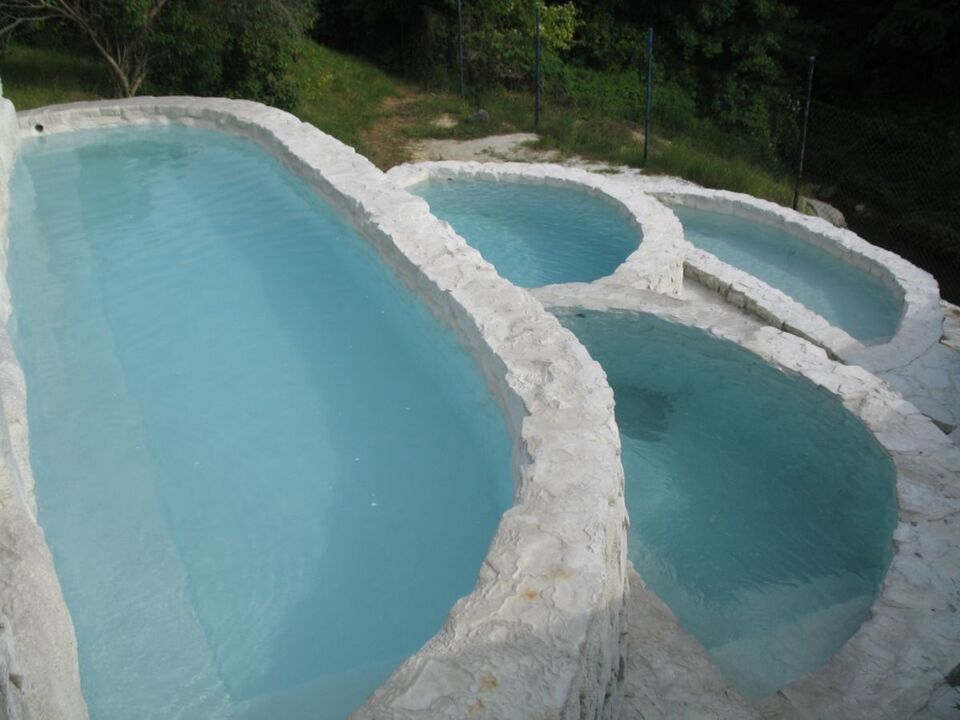
Thermal Swimming Pool Santovka Welness with geothermal water and beneficial impacts on rheumatic deseases and cardiac - vascular system is located 14 km from Levice. There are unique massage waterfalls, the natural stone showers and travertine baths also called the rome spa.
Santovská geotermálna voda vyviera s teplotou 27 °C. Práve v jej prirodzenej podobe je v rovnováhe a priaznivo pôsobí na zdravie ľudí.
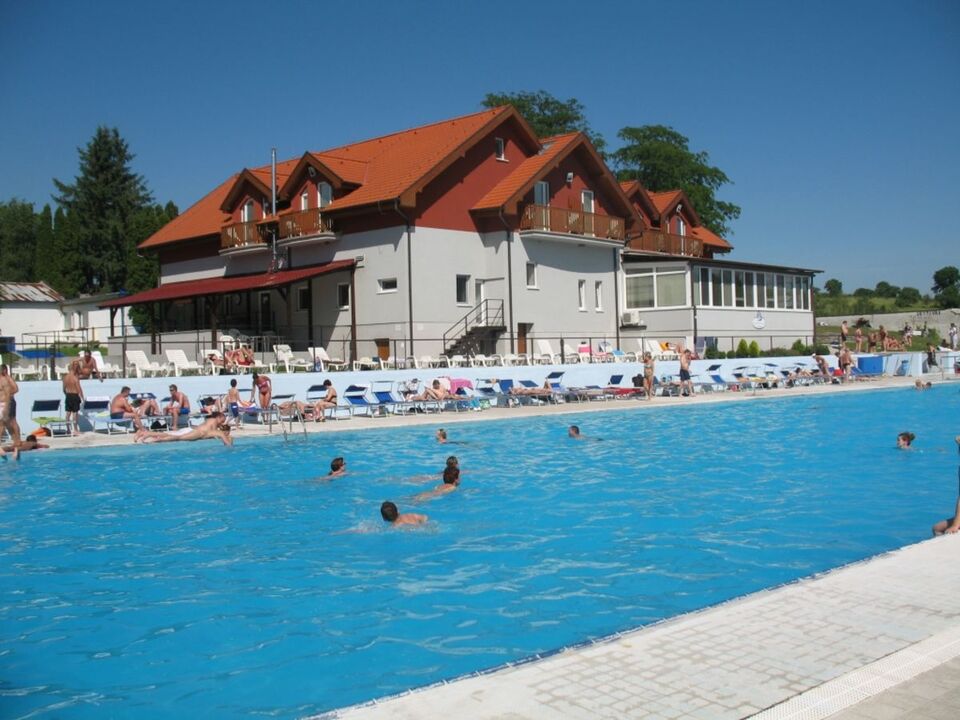
Okrem plaveckého, rodinného a detského bazéna, sú hosťom k dispozícii 4 sedavé travertínové bazéniky v štýle tureckých „pamukkale“, v ktorých je celodenná cirkulácia termálnej vody. Vynikajúcim relaxom sú aj masážne travertínové vodopády a masážne trysky, ktoré vymasírujú a prekrvia telo pod prúdom termálnej vody napúšťanej priamo z prameňa.
Súčasťou areálu je Petit hotel Santé** s celkovou kapacitou 32 lôžok, reštaurácia Santé s letnou terasou, ktorá má pestrú ponuku kvalitných jedál a nápojov a taktiež Slnečná terasa so špecialitami grilovanými priamo pred hosťom.
Loading map...
Maďarovská 4935 87Santovka
Show NavigationOperation Times
| Monday | 12:00 – 19:00 |
|---|---|
| Tuesday – Sunday | 18:00 – 18:00 |
Weather Forecast

Few clouds
25°C/ 14°CDay / Night
Gentle breeze, 3m/s
West

Clear sky
26°C/ 14°CDay / Night
Light breeze, 2m/s
Northwest

Overcast clouds
26°C/ 14°CDay / Night
Gentle breeze, 5m/s
West
Clear sky
20°C/ 14°CDay / Night
Moderate breeze, 7m/s
Northwest

Scattered clouds
18°C/ 11°CDay / Night
Moderate breeze, 6m/s
Northwest
Clear sky
20°C/ 8°CDay / Night
Moderate breeze, 6m/s
North
Scattered clouds
19°C/ 6°CDay / Night
Gentle breeze, 4m/s
Northwest
Places Around
Carpenter's gorge
A unique, although not very long canyon-like valley called the Carpenter's Gorge lies in the cadastre of the village of Hontianske Tesáre, in the southern part of the Krupina district. The valley was formed by cutting a local watercourse over rocks of volcanic origin. Sedimentation - sedimentation and stratification of rocks - is clearly visible on the local rock walls.
Hotel Golden Eagle ****
Situated in the historical centre of Levice town and a pedestrian zone reachable within a 5-minute walk, Hotel Golden Eagle offers en-suite accommodation, a restaurant, a bar, a sun terrace, a garden, a 24-hour front desk and free wellness facilities. Free WiFi is available in all areas.
Pivnica Csernus
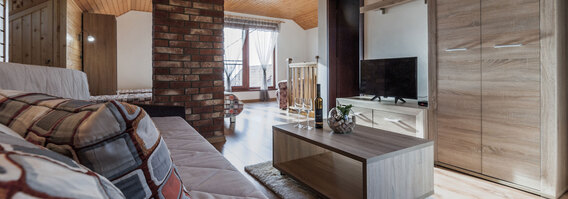
Featuring free WiFi, a barbecue and a sun terrace, Pivnica CSERNUS offers accommodation in Vinica. Free private parking is available on site.
Ranč Divoký Zapadákov
Ranč Divoký Zapadákov is located in Banská Štiavnica, 1.6 km from Chateau Svaty Anton. Free private parking is available on site. Certain units have views of the mountain or garden. The rooms include a shared bathroom. Guests can enjoy various activities in the surroundings, including horse riding and cycling. The Church of St. Catherine is 5 km from Ranč Divoký Zapadákov, while New Chateau Banska Stiavnica is 5 km from the property. Piesťany Airport is 84 km away.
Penzión Veperec
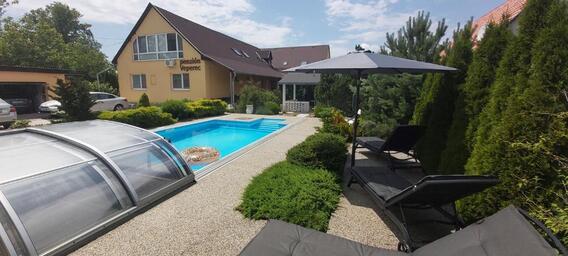
Situated in the village of Hokovce and only 2 km from the Dudince Spa Town, Penzión Veperec offers accommodation in a quiet area with free WiFi and free private parking possible on site.
Hotel Flóra **
Located in the town of Dudince, Hotel Flóra offers a tennis court, free entrance to the pool with heated water, and free Wi-Fi in public areas. Spa facilities include saunas and a hot tub. All rooms have a balcony and a TV.
Penzión Gabika **
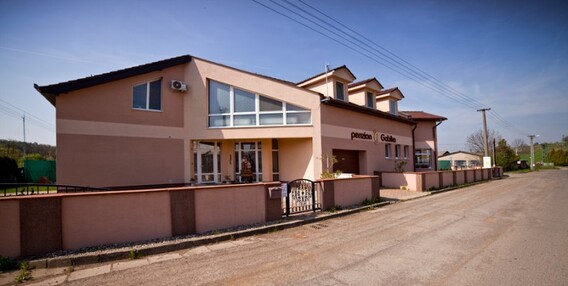
Situated 200 metres from the Dudince Thermal Spa, Penzión Gabika is a family-run guest house opened in 2011 and offering an on-site bar and rooms with hardwood floors and free WiFi.
Liečebný dom Diamant ***
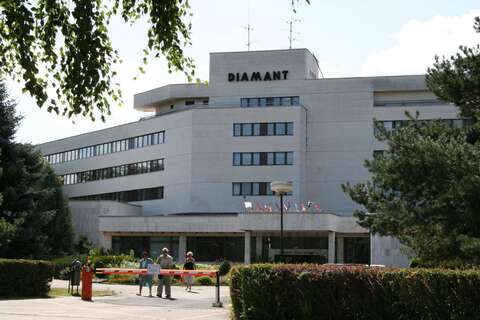
Located in Dudince in the Banskobystrický kraj Region, 50 km from Dobogoko, LD Diamant Dudince boasts a seasonal outdoor pool and sun terrace. Guests can enjoy the on-site bar.
Hotel Hviezda ***
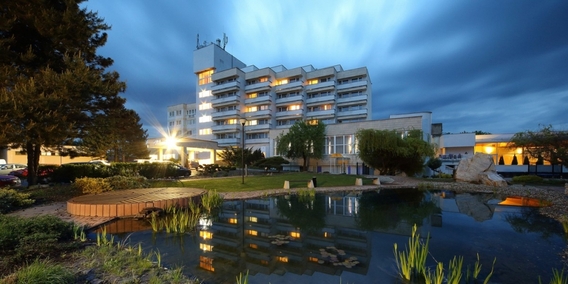
Hotel Hviezda is a hotel offering a variety of health treatments and wellness facilities. Surrounded by a park, it is located in the South Slovakian town of Dudince well known for its mineral waters and spas.
Pension Fortuna Dudince
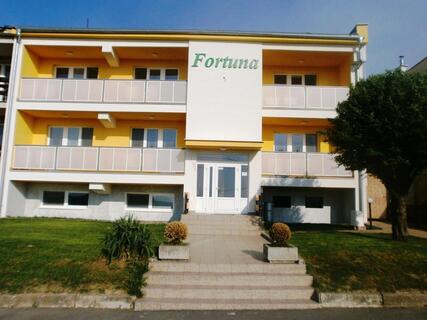
Guest-house Fortuna Dudince is located in a calm part of the spa town Dudince ca. 1,5 km from the spa area.
Hotel Golden Eagle ****
Situated in the historical centre of Levice town and a pedestrian zone reachable within a 5-minute walk, Hotel Golden Eagle offers en-suite accommodation, a restaurant, a bar, a sun terrace, a garden, a 24-hour front desk and free wellness facilities. Free WiFi is available in all areas.
Pivnica Csernus
Featuring free WiFi, a barbecue and a sun terrace, Pivnica CSERNUS offers accommodation in Vinica. Free private parking is available on site.
Ranč Divoký Zapadákov
Ranč Divoký Zapadákov is located in Banská Štiavnica, 1.6 km from Chateau Svaty Anton. Free private parking is available on site. Certain units have views of the mountain or garden. The rooms include a shared bathroom. Guests can enjoy various activities in the surroundings, including horse riding and cycling. The Church of St. Catherine is 5 km from Ranč Divoký Zapadákov, while New Chateau Banska Stiavnica is 5 km from the property. Piesťany Airport is 84 km away.
Kúpalisko Dudinka
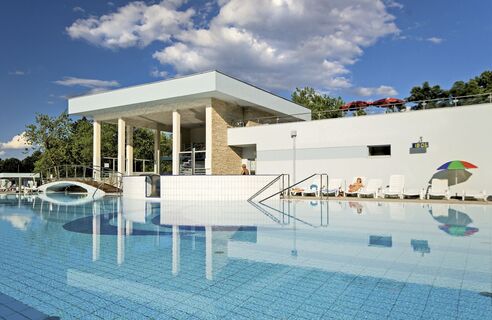
Kúpalisko Dudinka sa nachádza v blízkosti kúpeľov Dudince. Leží v oblasti s mimoriadne teplou klímou v nadmorskej výške 140 m n.m. K dispozícii sú štyri bazény (s vodnými atrakciami, rekreačný, detský a minerálny).
Liečebný dom Diamant ***
Located in Dudince in the Banskobystrický kraj Region, 50 km from Dobogoko, LD Diamant Dudince boasts a seasonal outdoor pool and sun terrace. Guests can enjoy the on-site bar.
Brhlovce
The complex of rock dwellings squeezed in tuff rocks situated several kilometres east of Levice, in the village BRHLOVCE, is unique in the territory of Slovakia.
Gallery of masks
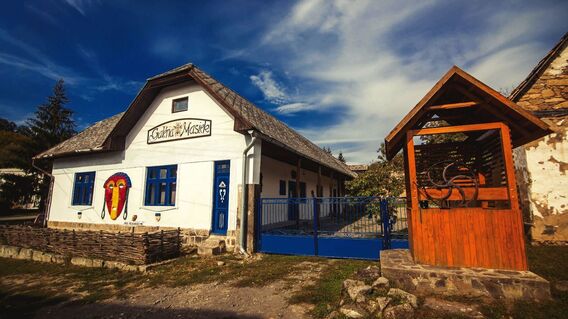
Gallery of Masks is the first gallery in Slovakia, from the collector M.D. Clark, where you will find more than 400 masks from around the world.
Tekovská hvezdáreň Observatory in Levice
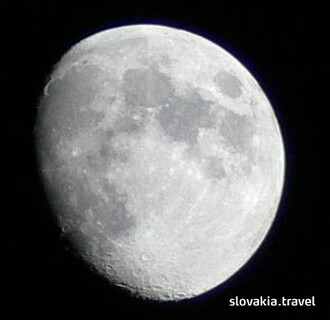
If you wish to immerse in the star mysteries for a while, do not hesitate to visit the Tekovská hvezdáreň Observatory in Levice. You might be lucky to see trough the telescope a friendly extra-Terrestrial being waving at you.
The Levický Castle
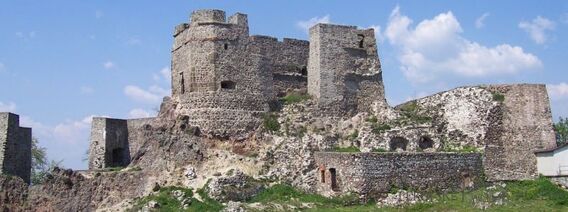
The Castle is the most important dominant of the town Levice. It is from the end of the 13th century. It stands on top of volcanic rock protuberance above the swamps of the Hron river. It was the sentry fort guarding the road leading to central Slovakian mining towns.
Hont Museum in Šahy
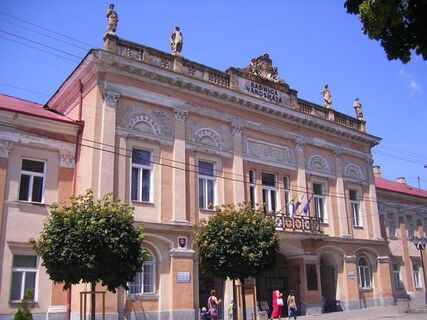
Inštitúcia bola založená v Šahách v roku 1902 ako župné múzeum. Jej vznik iniciovala Hontiansko-župná múzejná spoločnosť na čele s Elemérom Pongráczom. Múzeum zaniklo v dôsledku zmien administratívneho členenia krajiny v roku 1924. Posledným kurátorom bol prvý uhorský olympionik Alajos Szokolyi. Znovuzaloženie inštitúcie ako mestského múzea sa udialo v roku 1992. Od roku 1995 funguje v dvoch budovách- na adrese J. Rotaridesa 13 (Hontianske múzeum) a na adrese Pivničná 1 ( Galéria Ľudovíta Simonyiho, predtým Hontianska galéria).
Ľudovít Simonyi Gallery in Šahy
Inštitúcia bola založená v Šahách v roku 1902 ako župné múzeum. Jej vznik iniciovala Hontiansko-župná múzejná spoločnosť na čele s Elemérom Pongráczom. Múzeum zaniklo v dôsledku zmien administratívneho členenia krajiny v roku 1924. Posledným kurátorom bol prvý uhorský olympionik Alajos Szokolyi. Znovuzaloženie inštitúcie ako mestského múzea sa udialo v roku 1992. Od roku 1995 funguje v dvoch budovách- na adrese J. Rotaridesa 13 (Hontianske múzeum) a na adrese Pivničná 1 ( Galéria Ľudovíta Simonyiho, predtým Hontianska galéria).
Stará Hora
Vineyards coat the environs of Levice. They are sprinkled with small houses and cellars called here hajlochy. Most of them are situated in the locality of Stará hora near SEBECHLEBY on the southern foothills of the Štiavnické vrchy Mts.
Water mill Bohunice
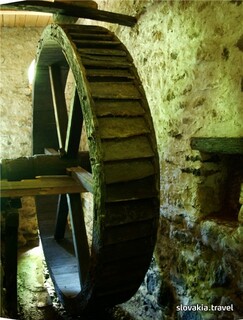
The detached exposition of Tekovské museum in Levice – a mill settlement of former miller Pavol Turčan – lies at the Sikenica stream, appoximately 1 km from the upper (north) end of the Bohunice village.
Monastery – Hronský Beňadik
The bulky fortified Benedictine monastery, one of the oldest and most important architectural monuments of Slovakia, stands on the rocks above the village Hronský Beňadik south of Nová Baňa.
The Čabraď Castle
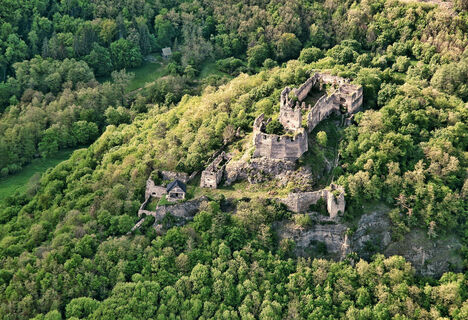
Ruins of the Čabraď Castle are in the Krupinská planina plain in south of Slovakia.