Castle Jasenov

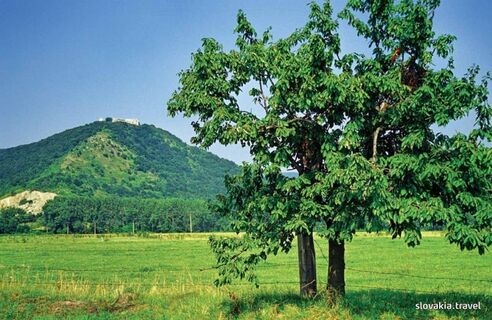
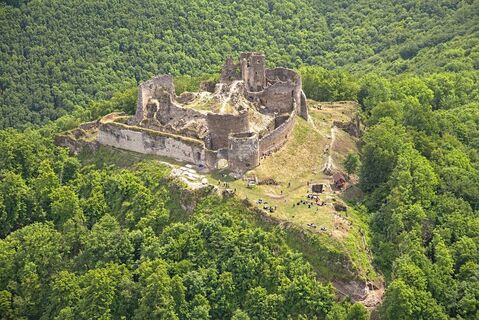
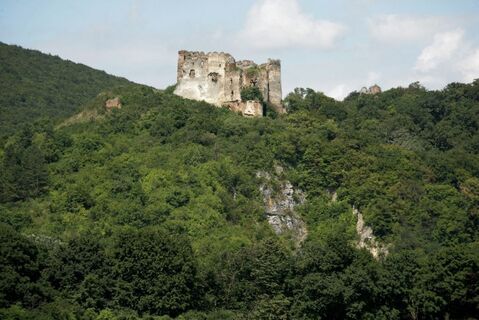
South of Humenné in wonderful woods of the Humenské vrchy Mts. are the ruins of the castle called Jasenov from the 13th century.
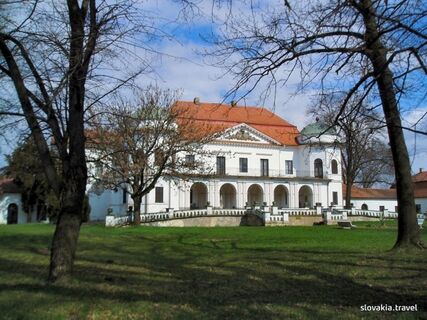
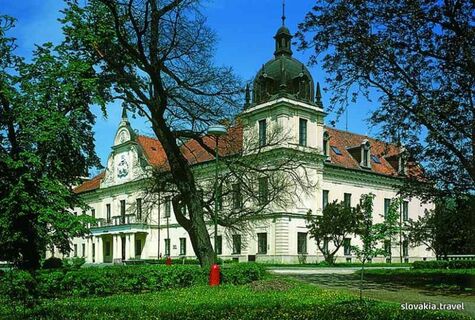
The most attractive cultural monument of the town Michalovce in the east of Slovakia is its manor house. It stands in the middle of the town on the bank of the Laborec river, on the site of the old water castle, which protected the territory against the enemy assaults.
Originally, it was a Gothic building with corner towers guarding the road and the bridge over the Laborec river. The Renaissance reconstruction followed by the Baroque adaptations changed the overall appearance of the manor house and the Classicist style was applied giving it the final touch in the 19th century. The distinct architectural element of the facade is the arcade with balcony at the first floor.
In its park, the easternmost situated rotunda in Slovakia from time of the Great Moravian Empire was discovered.
The manor house now gives shelter to the Zemplínske múzeum (Museum of Zemplín), which documents the developments of nature, society and arts of the region since the oldest time to the present. Very valuable and unique item is the Bronze amphora with the oldest picture of a two-wheel cart in Central Europe. Ethnographic collection displays the products of the Pozdišov pottery.
Operation times unavailable.
South of Humenné in wonderful woods of the Humenské vrchy Mts. are the ruins of the castle called Jasenov from the 13th century.
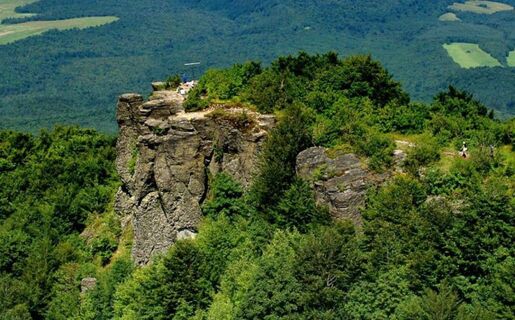
Fans of history will perhaps like to ascend to the ruins of the Brekov Castle rising above the town Humenné on top of the andesite rock with a nice view of the environs, including the towns of Humenné and Strážske.
The town Humenné is situated on the middle reach of the Laborec river in the east of Slovakia and it has an originally Renaissance manor house. In the 19th century the manor was reconstructed in the Baroque style, which imitates the French architecture.
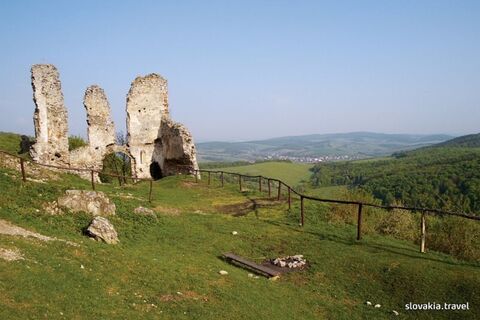
The road south of the Veľká Domaša water reservoir leads below the ruins of the Čičva Castle from the 13th century. The Castle did not survive the last Rákoczis rebellion in 1711 when it was damaged.