Hotel Galileo Donovaly ****
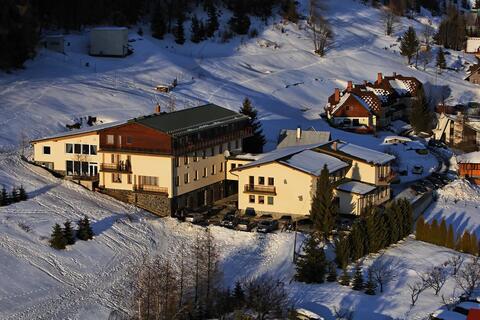
Located in the town of Donovaly, just 100 m from the Nova Hola and Zahradky Ski Areas, Hotel Galileo offers a spa centre on site and en-suite rooms with flat-screen TV and free WiFi.
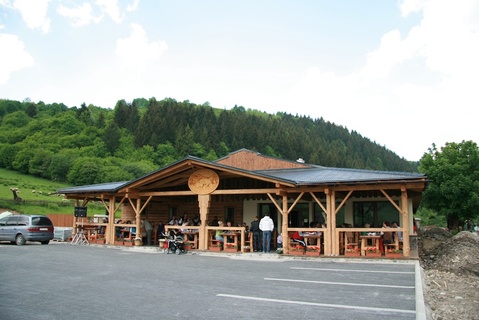
Donovalský pivovar sa zrodil v krásnych, no drsných horách stredného Slovenska. Jeho život sa začal našim odvážnym a pritom tak prostým odhodlaním: už od počiatku variť poctivé pivo. Náš unikátny pivovar okrem útulnej reštaurácie ponúka aj čerstvé pekárenské výrobky z vlastnej pekárne a útulnú kaviareň. Milovníkom hôr prinášame osobitú skupinu pív, z ktorej je každé jedno výnimočné.
| Monday – Thursday | 08:00 – 22:00 |
|---|---|
| Friday – Saturday | 08:00 – 23:00 |
| Sunday | 08:00 – 22:00 |
Uvedené otváracie hodiny sú pre kaviareň, v objekte sa nachádzajú tri strediská (kaviareň,reštaurácia,pekáreň). Viac info na http://www.pivovardonovaly.sk/sk/


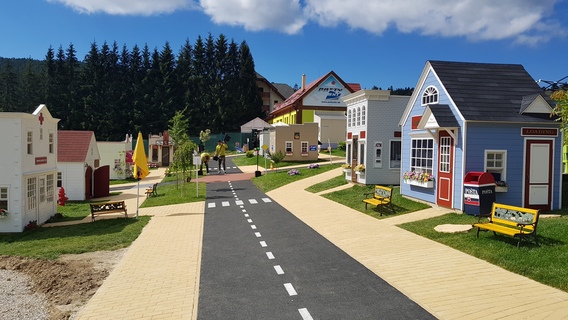
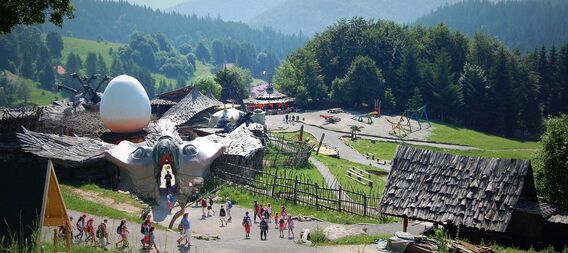
Do you know, what you want to be, when you grow up? Don’t wait until you grow up. Come to Donovalkovo, the capital city of children, and you can become a firefighter, policeman, banker, car racer, doctor and a lot more.
We invite all those who want to experience the atmosphere of Slovak folk tales to our non-traditional village, which consists of houses in the style of folk-fantasy architecture.
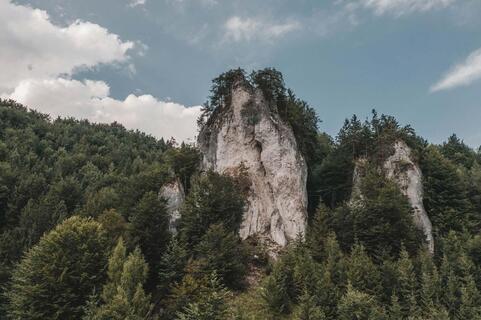
Ferrata Dve veže is located about 4 km from the resort Gothal, in the direction of the neighboring village Liptovské Revúce. You can find it in the area that the locals used to call "Zahorovo". From the highest point of the ferrata you are offered beautiful views of the surrounding hills of the Low Tatras (Končitá, Malý Zvolen, Montenegro), Veľká Fatra (Krížna, Frčkov) and also the National Parks Veľká Fatra and Nízke Tatry, which is separated by the river Revúca.
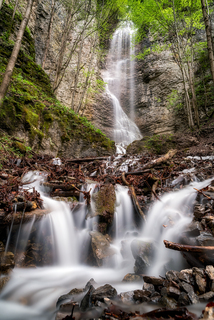
Brankovský waterfall is located on the western edge of the Low Tatras at the mouth of the Revúcka valley. The waterfall with its height of 55 m is the highest waterfall in the Low Tatras. At the same time, it ranks in the top five highest waterfalls in Slovakia. The amount of water that flows through a waterfall depends on precipitation, ie also on the season. The waterfall and its surroundings have been a national natural monument since 1980. It belongs to the Low Tatras National Park. Despite its importance, the waterfall is little known to visitors to Liptov. In the winter months, the Brankovský waterfall turns into an ice wall covered with many trinkets and other ice formations.
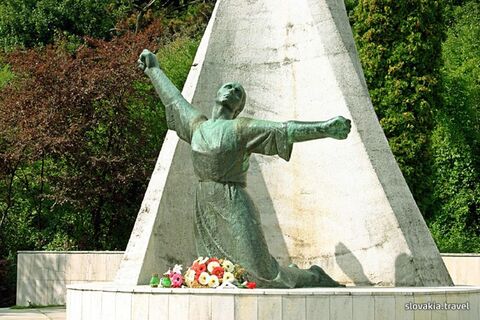
Many tragic events are connected with the years of the World War II. One of the saddest ones happened near the village of Nemecká, central Slovakia and a reverence memorial was built for its victims there.
The Harmanecká jaskyňa cave is situated in the Veľká Fatra Mts. The cave is known for occurrence of rare white soft sinter, tall pagodas and sinter lakes.
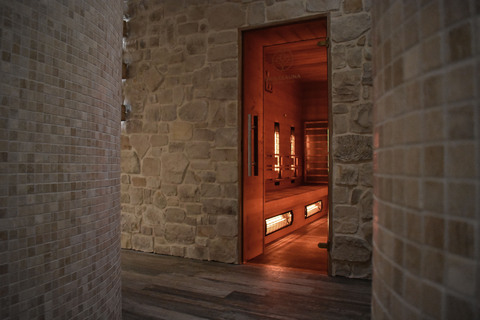
We want you to feel great with us, which is why we have created a place for your moments of relaxation and well-being thanks to the use of natural materials. Stone, wood and warm tones will create the right atmosphere for your relaxation. Trees have always given people energy and strength. That's why wood has a story in our wellness center. He is 138 years old and thus creates an environment full of positive energy. You can release harmful substances from the body in our saunas. INFRASAUNA is equipped with the most modern infrared radiators, which have incredible regenerative and healing effects for your body, joints and muscles. SALT STEAM and EUCALYPTE SAUNA relax and cleanse the respiratory tract and lungs and have an excellent detoxifying effect on the whole organism. FINNISH SAUNA, a popular classic, is an integral part of the wellness center. After the sauna, you will be perfectly refreshed by the COOLING POOL with a waterfall. A RELAXING ROOM with a starry sky will give you a feeling of peace. The dominant feature of our wellness center is a spacious WHIRLPOOL for relaxing and regenerating muscles and joints thanks to massage jets. Entrance to the wellness center only from 15 years.
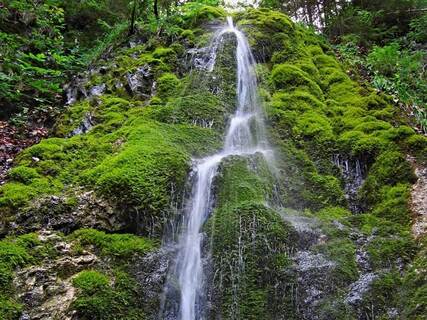
The waterfall is located on Jeleňý potok, a right-hand tributary of Čutkovský potok. It is cascading, two-story and its most beautiful is its upper part. From a professional point of view, this is the so-called destructive waterfall, which means that its height and slope decreases over the ages by the action of water. Jelení waterfall is one of the stops on the educational trail Známa neznáma Čutkovská dolina. The trail starts at the mouth of the Čutkovská valley and opens up all the most interesting corners of the area. The section in front of the waterfall is equipped with 84 steps due to the more demanding terrain. As the amount of water in the waterfall fluctuates during the year, it is best to visit it in the spring or during periods of heavy rain.
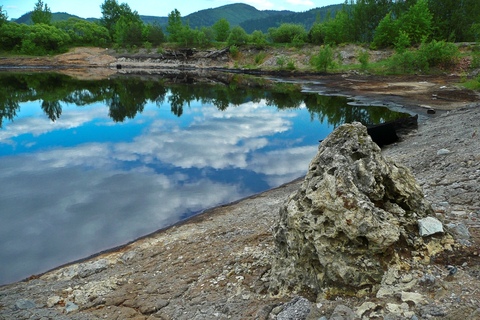
Gurdrón pits between the villages of Lopej and Predajná, not far from the better-known Podbrezová, arose as a remnant of heavy industry in the area of central Slovakia
Situation of the village Blatnica next to the Gaderská dolina and Blatnická dolina valleys makes of it an ideal salient point for the trips to the spectacular valleys of the Veľká Fatra Mts.
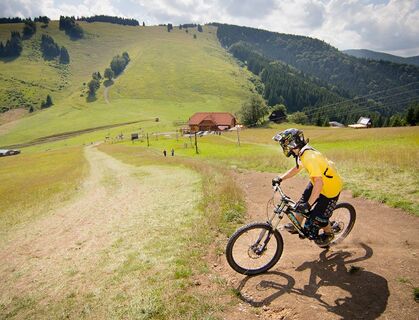
In the summer season of 2009, a new Bike Park was opened in the resort, which, with a total length of more than 10 km, was ranked among the top biker parks in Slovakia.
The Happy End music club offers top-quality entertainment in the centre of the Jasná Low Tatras resort – not only for skiers, snowboarders and visitors of Jasná, but for the whole Liptov region and Northern Slovakia.
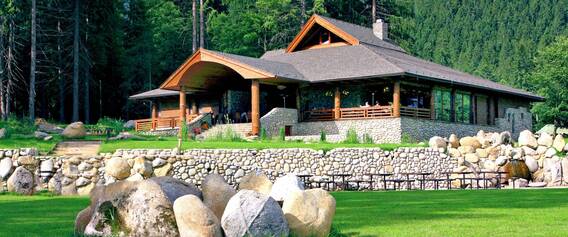
Čierna Ovca sa nachádza na rozhraní Veľkej Fatry a Kremnických vrchov v bezprostrednej blízkosti sviežeho horského potoka. Jedinečnosť tohto prostredia znásobuje prítomnosť Harmaneckej jaskyne, ktorej návšteva začína aj končí, práve u nás. A preto doprajte kulinársky zážitok svojmu telu, v krásnom prostredí Národného parku Veľká Fatra.
Vitajte v srdci Stredného Slovenska, Vitajte v Banskej bystrici, Vitajte v Plzenskej reštaurácii...
Leroy Bar & Café nie je len podnik, kde si môžete dať kvalitnú kávu, ale aj miesto, kde si môžete prísť oddýchnuť od každodenného zhonu. Snažíme sa, aby ste sa u nás cítili príjemne a po každej návšteve sa chceli ku nám znovu vrátiť.
Koliba u dobrého pastiera je unikátny komplex ubytovacích, stravovacích služieb v lone nádhernej liptovskej prírody iba 5 minút od centra mesta Ružomberok. Celá stavba je z prírodných materiálov a v duchu slovenskej tradície.
Rodinný salaš s 300 ovečkami ,výrobou syrov, 100% bryndzou , pekárňou , reštauráciou a s múzeom hospodárskych strojov . Založený v roku 2001.
"Moderná slovenská reštaurácia, v ktorej zažijete nezabudnuteľné gurmánske dobrodružstvo."
The Happy End music club offers top-quality entertainment in the centre of the Jasná Low Tatras resort – not only for skiers, snowboarders and visitors of Jasná, but for the whole Liptov region and Northern Slovakia.
Located in the town of Donovaly, just 100 m from the Nova Hola and Zahradky Ski Areas, Hotel Galileo offers a spa centre on site and en-suite rooms with flat-screen TV and free WiFi.
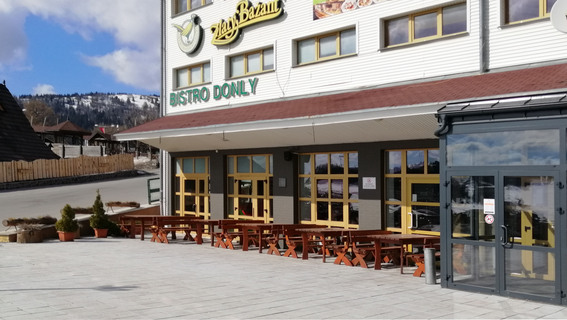
Set within 400 m of Park Snow Donovaly, Penzion Donly in Donovaly provides a terrace, as well as free WiFi. Featuring an ATM, this property also provides guests with a restaurant.
A traditional Slovak mountain cottage, the Penzion Damisport is located right in the heart of Donovaly, 50 m from the ski centre. It features a restaurant serving Slovak and international cuisine including pizza.
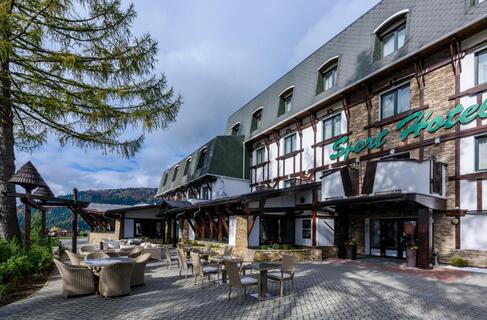
Set in the Donovaly Ski Area, a 10-minute walk from the Nova Hola Ski Slope, Wellnes Hotel Sport offers a spa with an indoor swimming pool, a sauna and a gym. There is a restaurant with a terrace and barbecue facilities on site.
100 m from the nearest ski slopes, Residence Hotel & Club can be found amid the Donovaly Ski Area in the Low Tatras Mountains and offers you rooms and apartments with balcony and an Ayurveda spa centre.
Located in the centre of the Donovaly, the modern Unipharma Apartments feature a mountain-view balcony and a fully equipped kitchenette. The ski lifts are just 400 m away. Garage parking, a spa centre and a restaurant are available on site.
Guesthouse "at Mars's" is situated in well-known tourist & ski resort Donovaly, only 24 km from the Banska Bystrica city center, on the mountain boundary line of the Low Tatras and The Great Fatra, 960 above sea level. Guesthouse is just 400 m away from the ski slopes and a new 4-seat cabin-chairlift. In the winter months the surrounding mountains are skier's paradise. Famous competitions of dog's sleds, and a lot more draw spectators to Donovaly. In the summer months the tourist tracks offer perfect hikes and other activities. Our guesthouse's accommodation section provides bedrooms with (closet) shower and toilet/WC.
Koliba u dobrého pastiera je unikátny komplex ubytovacích, stravovacích služieb v lone nádhernej liptovskej prírody iba 5 minút od centra mesta Ružomberok. Celá stavba je z prírodných materiálov a v duchu slovenskej tradície.
The Donovaly Fun Arena adrenaline centre is expanding during the summer of 2017 with a unique novelty for Slovakia - a children's aqua experience-educational park with 9 attractions, which follow one another and form one whole experience.
Discover Donovaly quickly, ecologically and comfortably from the seat of a modern e-scooter and enjoy a lot of fun on two wheels.
TRY AN UNBELIEVABLE TANDEM FLIGHT OVER DONOVALY!
Over the months April to July 2008 the second toboggan run of its kind in Slovakia from the renowned German company Wiegand took shape in the vicinity of the TELEMIX Nová hoľa cablecar station and the Husky aprés ski bar.
Bungee trampolines are without doubt one of the most demanded attractions of amusement parks of recent years. They are a combination of an aluminium constructions, latex rubber and a very springy trampoline, all thought up by VIV Slovakia, s.r.o. Everything is driven by precisely tuned motors. There are 4 independent trampolines on each of which the jumper, secured in a special harness fastened to the X-jump part of the trampoline, can achieve heights of up to 7m and also forward and backwards moves thanks to the rubber which also maintain the balance of the jumper.
The rope centre is located in the forest bordering the main E77 road from Banská Bystrica and Ružomberok and with a length of more than 500m is one of the longest and largest rope centres in the whole of Slovakia.
When you come into Donovaly from Ružomberok you cannot fail to miss the dominant feature by the Nová hoľa cablecar car park - at 14m high climbing wall.
Ferrata Dve veže is located about 4 km from the resort Gothal, in the direction of the neighboring village Liptovské Revúce. You can find it in the area that the locals used to call "Zahorovo". From the highest point of the ferrata you are offered beautiful views of the surrounding hills of the Low Tatras (Končitá, Malý Zvolen, Montenegro), Veľká Fatra (Krížna, Frčkov) and also the National Parks Veľká Fatra and Nízke Tatry, which is separated by the river Revúca.
In the quite atmosphere of the forested valley of the Brusnianka brook and below the majestic tops of mountains Nízke Tatry will one find the spa of Brusno.
In the summer season of 2009, a new Bike Park was opened in the resort, which, with a total length of more than 10 km, was ranked among the top biker parks in Slovakia.
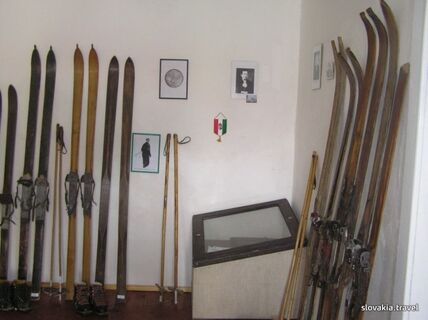
The Slovak Ski Museum in Podkonice is a unique museum showcasing skis, some of them being more than 100 years old. Similar museums can only be found in the United States of America and in Finland, thus it is the third of its kind in the world.
The Monument Reserve of Popular Architecture in the central Slovakia commune ŠPANIA DOLINA consists of a unique set of miner houses built of wood and stones.
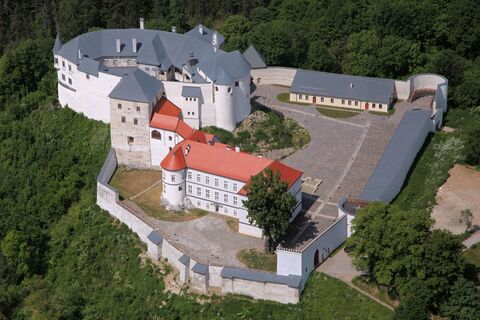
One of the best preserved castles in Slovakia stands above the village Slovenská Ľupča at the foothills of the mountains Nízke Tatry.
Many tragic events are connected with the years of the World War II. One of the saddest ones happened near the village of Nemecká, central Slovakia and a reverence memorial was built for its victims there.
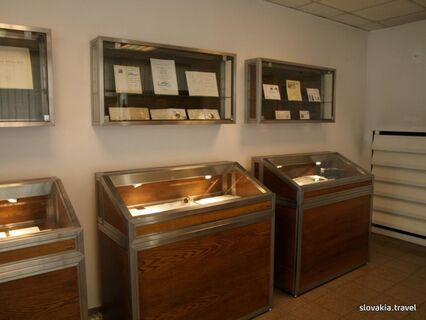
Poštové múzeum v Banskej Bystrici je unikátne múzeum svojho druhu na Slovensku. Expozícia obsahuje predmety, dokumentujúce vývoj poštovníctva, filatelistickú zbierku poštových známok aj sekciu pre deti s názvom Detská pošta.
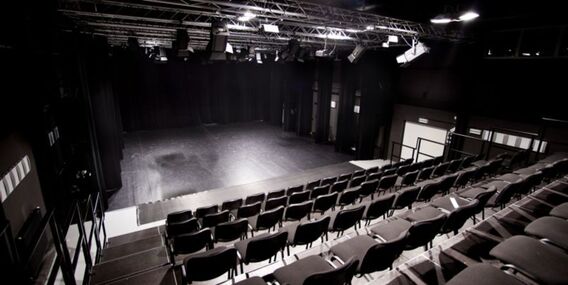
Divadlo Štúdio tanca je etablovaným profesionálnym tanečným divadlom. Na slovenskú scénu dlhodobo prináša autorské projekty, ktorými približuje publiku súčasný tanec a filozofiu moderného tanečného divadla.
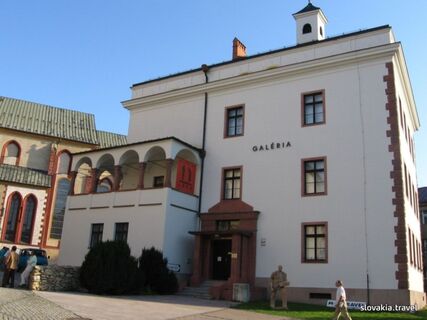
The Central Slovakia Gallery (formerly the State Gallery in Banská Bystrica) is a gallery presenting modern and contemporary art. It focuses mainly on the presentation and documentation of free graphic arts of the latter half of the 20thcentury, as well as on contemporary art.
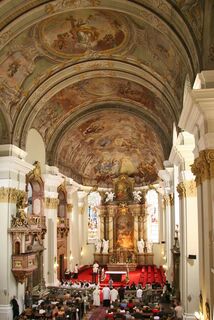
Rímskokatolícky farský kostol Panny Márie je súčasťou Banskej Bystrice už sedem storočí. Postavili ho nemeckí waldbürgeri (banskí ťažiari) ako prvú stavbu Mestského hradu a dodnes je tento kostol jeho najväčšou pýchou, poukazujúcou na slávne časy Stredoveku v banských mestách stredného Slovenska.
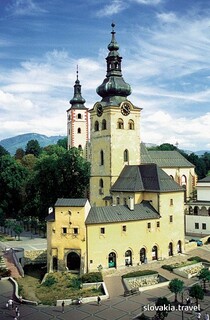
The town castle was once formed by several ancient buildings in the central Slovakian metropolis Banská Bystrica. Its task was to protect the income proceedings of copper and silver mining for the royal treasury.
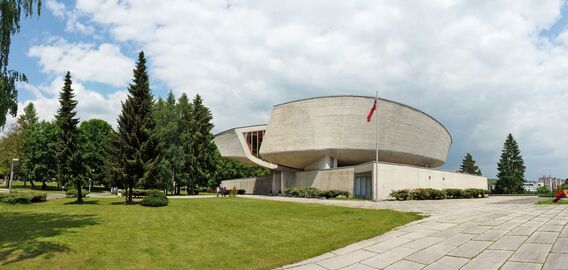
The Museum of the Slovak National Uprising (SNP) is situated in an architecturally unusual building built in 1969 as the Memorial of the Slovak National Uprising. It is located in the middle of a park that includes an open-air museum of heavy military equipment used in the SNP.