Nový zámok (New Chateau) Banská Štiavnica
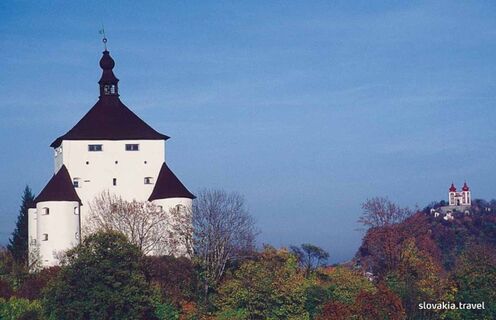
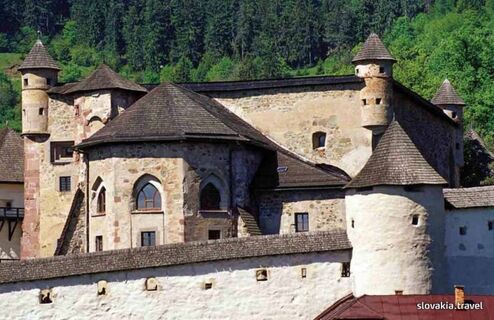
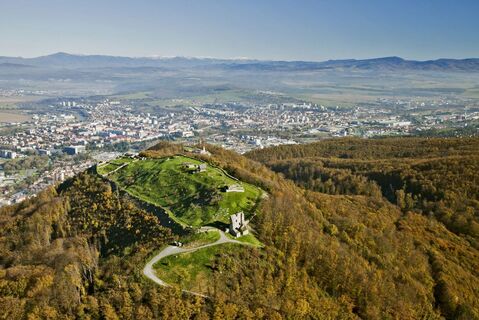
On the hill above Banská Štiavnica, Nový zámok (New Chateau) stands since 1571 bearing the name of the hill Frauenberg or Dievčenský or Panenský hrad in Slovak (Maiden Castle or Virgin Castle).
V Štiavnici je všetko hore, alebo dolu kopcom. Dobre padne načerpať energiu v botanickej záhrade, kde nájdete sekvoje aj japonský céder. Sláva Štiavnice nespočívala iba na bohatstve jej podzemia, ale aj na sláve Baníckej akadémie. Zriadila ju v roku 1762 Mária Terézia ako prvú univerzitu svojho druhu na svete a zhromaždila v nej špičkovú vedu a techniku tej doby. Botanická záhrada obklopuje budovy Akadémie.
V areáli historickej Baníckej a lesníckej akadémie sa rozprestiera Botanická záhrada. Založená bola po otvorení štúdia lesníctva, ktorého úlohou bolo naučiť študentov ako sa o lesy odborne starať. Od prvej polovice 19. storočia v Botanickej záhrade pre potreby lesníckej výučby vysádzali domáce aj cudzokrajné dreviny, z nich medzi najzaujímavejšie patria sekvojovce mamutie a céder.
| Monday | Closed |
|---|---|
| Tuesday – Saturday | 08:00 – 20:00 |
| Sunday | Closed |
Máj – 15. September
| Monday – Friday | 08:00 – 18:00 |
|---|---|
| Saturday – Sunday | Closed |
16.September – Apríl


On the hill above Banská Štiavnica, Nový zámok (New Chateau) stands since 1571 bearing the name of the hill Frauenberg or Dievčenský or Panenský hrad in Slovak (Maiden Castle or Virgin Castle).
The dominant monument of the town centre of Banská Štiavnica that has been inscribed on the UNESCO World Heritage List is Starý zámok (Old Chateau) standing on the terrace west of the Trojičné námestie square.
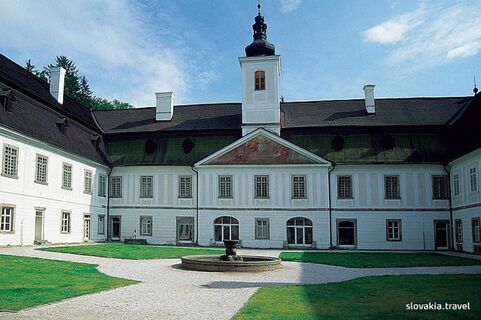
In the heart of the mountains Štiavnicke vrchy in central Slovakian village Svätý Anton (known as Antol before 1996) stands a monumental Baroque-Classicist manor house with a wonderful English park.
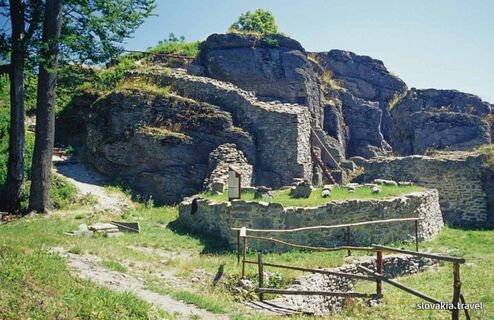
Sitno, the tallest mountain of the Štiavnické vrchy Mts., (1,009 m), dominates the south-western horizon of Banská Štiavnica and offers a fabulous view. Three faces of the mountain are steep, almost inaccessible, and on the fourth side the Castle of Sitno, or better said its ruins, stand. It was built in the 13th century on the site of a primeval fortified castle. It is in ruins since the 18th century.
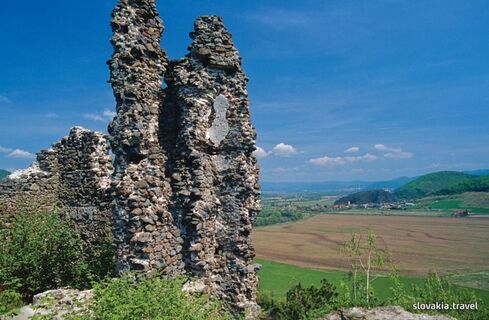
The ruins of the medieval Šášov Castle stand above the river Hron not far away from Žiar nad Hronom in central Slovakia. According to a legend, the lord of the Zvolen Castle had it built for his court joker who saved his life while hunting.
The ruins of the Castle Revište near Hliník nad Hronom in central Slovakia are set amidst a romantic environment. They stand on top of steep rock about 100 m above the floodplain of the river Hron. There is a wonderful meadow below the castle used by canoeist as a camping site.
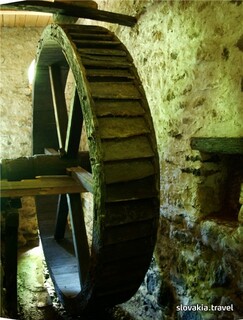
The detached exposition of Tekovské museum in Levice – a mill settlement of former miller Pavol Turčan – lies at the Sikenica stream, appoximately 1 km from the upper (north) end of the Bohunice village.
The Pustý hrad Castle (also known as the Old Castle of Zvolen) is situated near Zvolen on the slope of a forested mountain in the Javorie mountain range, above the confluence of the Hron and Slatina rivers, in central Slovakia. It is surprisingly large, comparable with the more famous Spiš Castle.
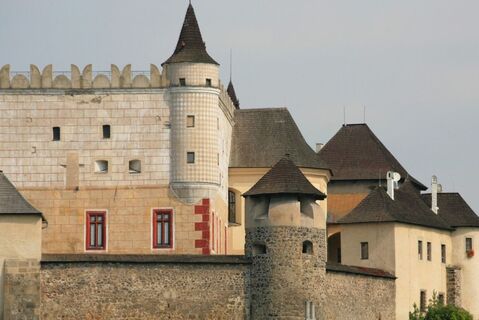
The Zvolen Castle, which is located on the bank of the Slatina River, is the most distinctive feature and symbol of the Central Slovakian town of Zvolen. An armoured train that reminds the Slovak National Uprising is placed nearby the castle.
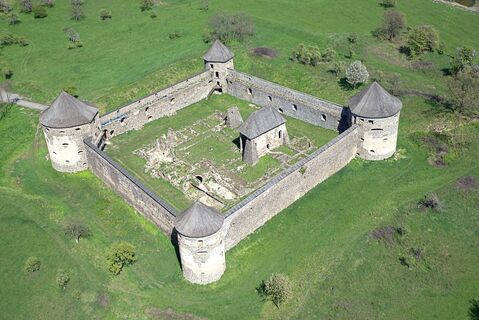
The fort Bzovík in the south of central Slovakia next to more northerly situated village of Bzovík is another mute witness of local history.