Plte Strečno
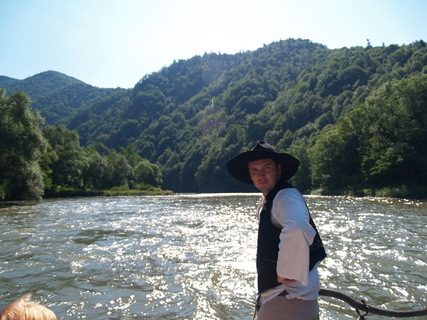
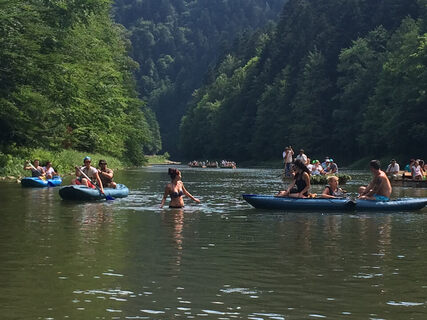
Prvá pltnícka a raftingová spoločnosť s r.o. (PPRS) vznikla v roku 1999 ako podnikateľský subjekt, ktorého hlavnou náplňou je obnovenie tradície pltníctva na Váhu, v jeho historicky najznámejšom úseku – v strečnianskej júžine.
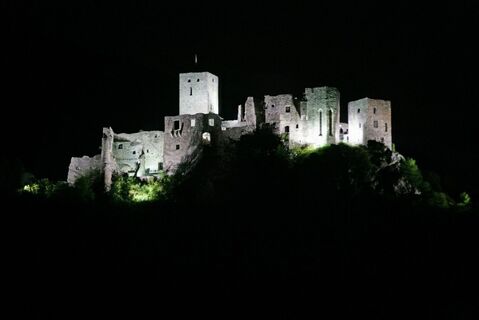
Hrad sa vyníma na lesnom pozadí v Domašínskom meandri Váhu povyše hradu Strečno. Na Považí patril tento hrad medzi najstaršie. Pôvodne sa nazýval hrad Varín. Svoj dnešný názov "Starý hrad" získal po výstavbe a sprevádzkovaní hradu Strečno.
Hrad pôvodne slúžil na ochranu starej cesty vedúcej Považím. Túto funkciu však neskôr prevzal hrad Strečno. Počas vlády Matúša Čáka Trenčianskeho bol Starý hrad sídlom provincie.
Prvá písomná zmienka sa objavuje za Bela IV. v roku 1241 ako kráľovský majetok. V 15. storočí začali na hrade hospodáriť Pongrácovci. Tí jadro hradu s vežou rozšírili o neskorogotické paláce. Neskôr na prístupovej ceste vybudovali nižšie položené predhradie s polkruhovou baštou, neskôr zväčšené a doplnené o hospodárske budovy.
V priebehu 17. storočia Pongrácovci, hoci už mali dva kaštiele v okolí, Starý hrad si naďalej ponechali a starali sa o jeho údržbu, rozšírenie a vybavenie. Hrad im svojou neprístupnosťou poskytoval bezpečné útočište. Do začiatku 18. storočia na hrade slúžila stála vojenská posádka. Po jej odchode začal hrad pustnúť a chátrať.


Prvá pltnícka a raftingová spoločnosť s r.o. (PPRS) vznikla v roku 1999 ako podnikateľský subjekt, ktorého hlavnou náplňou je obnovenie tradície pltníctva na Váhu, v jeho historicky najznámejšom úseku – v strečnianskej júžine.
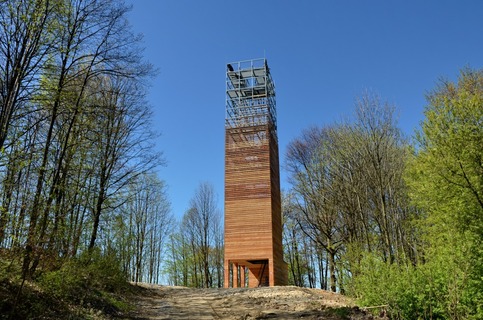
On the Dubeň Hill (613 m above sea level), there is an impressive observation tower above the city of Žilina. The lookout tower is imposing with its height of 27.4 meters and 10 floors. It offers splendid views of the surrounding area and, in particular, the city of Žilina, whose towers will be provide to you as a pocket of handkerchief. There are also masts for television and mobile networks in the vicinity of the tower.
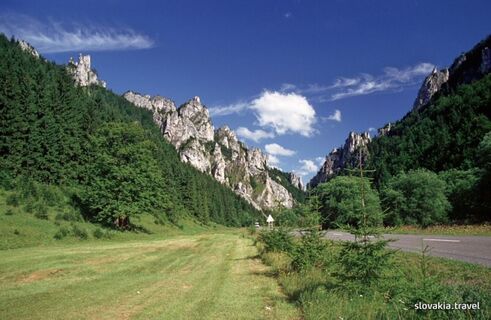
The only access road to the Vrátna valley, the most attractive part of the Malá Fatra Mts. is from the village Terchová. The Vrátna valley has four points of access: Tiesňavy, Stará dolina, Nová dolina and Starý dvor.
The National Park of Malá Fatra is situated in the westernmost Slovak high mountains Malá Fatra. Gorges, rock peaks and an attractive ridge tour are among its attractions.
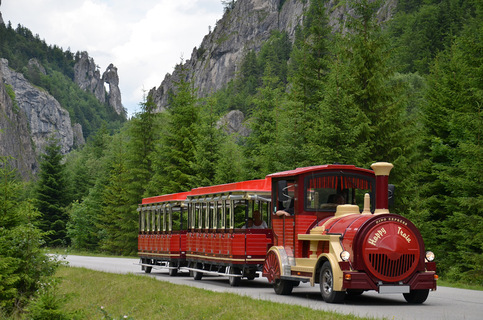
Terchová, Štefanová a Vrátna dolina patria medzi klenoty Malej Fatry a lákajú množstvo turistov a výletníkov. Okrem aktívneho výletu si čaro prírody môžete teraz vychutnať aj prostredníctvom vyhliadkovej jazdy Terchovským vláčikom.
The first mountain brewery has been operating in Terchová with experienced master brewer since 2012. You can book a tour and tasting the microbrewery in to the Drevenice Terchová Resort. If you just want to taste, the beer is on a tap in the next door restaurant.
Čo by ste povedali na prechádzku parkom, kde rastie viac ako 400 druhov stromov z celého sveta? Išli by ste sa prejsť? Ak áno, vyberte sa na návštevu do obecného parku v Turčianskej Štiavničke, ktorý je skutočným arborétom.
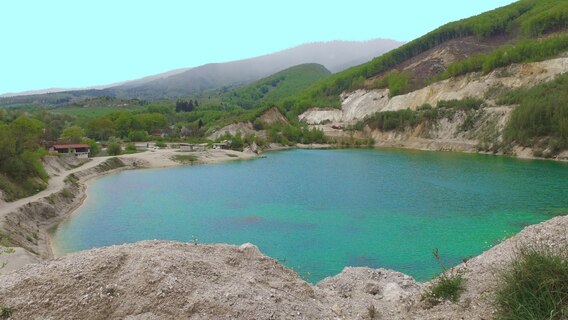
Do you like the Croatian Lakes in Plitvice, but would you rather stay in Slovakia? In that case, be sure to visit Lake in Šútovo and enjoy relaxation as in Croatia.
The village Štefanová with numerous buildings built in traditional style is situated in the north-west of Slovakia at the foothill of the mountain Veľký Rozsutec (1,610 m).
Odjakživa sa ľudia zaujímali o Zem, kde sú jej hranice, čo je za nimi. Existuje vôbec niečo ďalej? Keď prekonali jej hranice prišli nové otázky. O tom, čo všetko sa nachádza v kozmickom priestore, ako vznikol. Zistenie odpovedí je dosť vyčerpávajúce a časovo náročné. Oveľa jednoduchšie je prísť do Kysuckej hvezdárne v Kysuckom Novom Meste, ktorá je pobočkou Krajskej hvezdárne v Žiline. Miesto, ktoré je rajom pre milovníkov hviezdnej oblohy a nadšencov neznámeho.
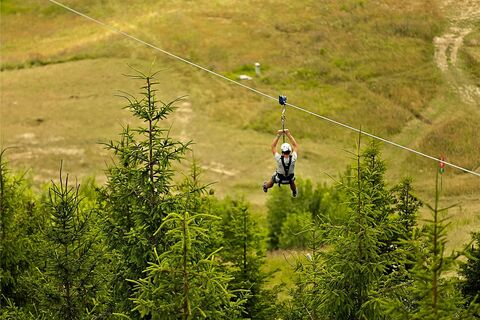
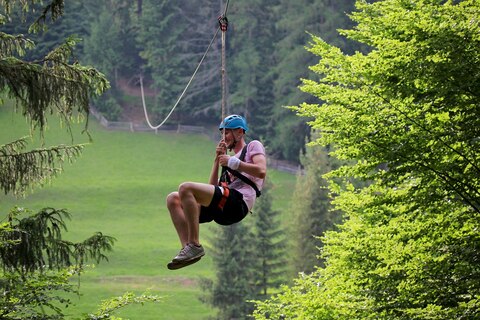
The longest and most modern ZIPLINE in Central and Eastern Europe with a length of 1234 m is guaranteed to take your breath away.
Do you want to experience a romantic holiday in the beautiful corners of the river Orava with a touch of adventure? Or a little adrenaline on the wild water? Come rafting with us!
The first mountain brewery has been operating in Terchová with experienced master brewer since 2012. You can book a tour and tasting the microbrewery in to the Drevenice Terchová Resort. If you just want to taste, the beer is on a tap in the next door restaurant.
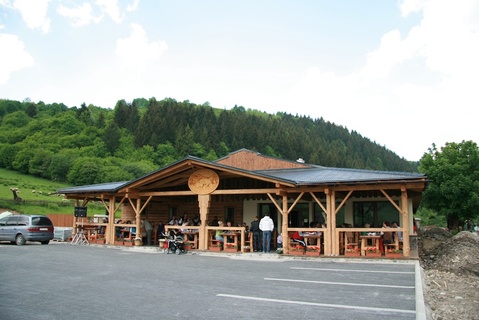
Reštaurácia sa nachádza v tichej lokalite Rajeckých Teplíc oproti hotelu Diplomat, v blízkosti centra mesta a kúpeľov. Okrem samotnej reštaurácie je hosťom k dispozícii aj upravený areál záhrady s detským kútikom, altánkom a pódiom slúžiacim pre kultúrno-spoločenské akcie a svadobné obrady.
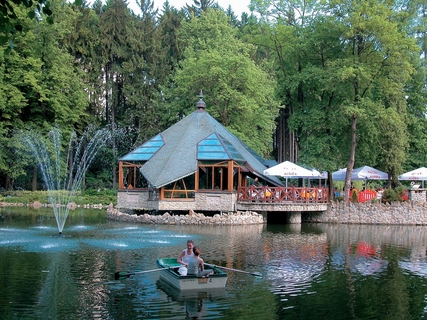
Reštaurácia Rybárska bašta sa nachádza v atraktívnom prostredí, na ostrovčeku uprostred kúpeľného jazierka.
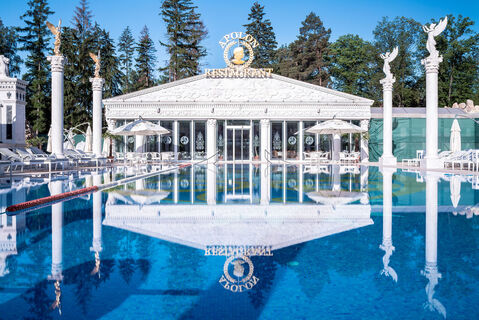
Navštívte štýlovú antickú kaviareň priamo v kúpeľnom dome Aphrodite a vychutnejte si exotické druhy káv, miešané alkoholické alebo nealkoholické nápoje. Hosťom ponúkame možnosť usporiadania spoločenských akcií.
Featuring free WiFi, Koliba Pod Skalami offers accommodation in Súľov-Hradná. Martin is 27 km away. Free private parking is available on site.
Rodinný salaš s 300 ovečkami ,výrobou syrov, 100% bryndzou , pekárňou , reštauráciou a s múzeom hospodárskych strojov . Založený v roku 2001.
Koliba u dobrého pastiera je unikátny komplex ubytovacích, stravovacích služieb v lone nádhernej liptovskej prírody iba 5 minút od centra mesta Ružomberok. Celá stavba je z prírodných materiálov a v duchu slovenskej tradície.
Located only 200 m from the historic square of P.O. Hviezdoslava in Dolný Kubín, Penzión Koliba is set in a traditional-style wooden house, typical for the Orava Region. It offers an on-site restaurant and rooms with a TV and free Wi-Fi.
Offering a seasonal outdoor pool and ski-to-door access, Koliba u Kuba a rekreačné domy is set in Hruštín in the Žilinský kraj Region. Wisła is 48 km away. Free WiFi is provided throughout the property.
Located in Straza, directly in the Low Fatra National Park, Hotel Diana is furnished in a mixture of classic and hunting styles. It offers a restaurant, sauna and a gym. Free Wi-Fi is provided.
Pension Lesnik is located in beautiful countryside by the stream near the town of Martin. The pension is surrounded by the mountains of Malá and Veľká Fatra. This area is especially suitable for hiking, skiing and snowboarding.
Featuring free WiFi, Koliba Pod Skalami offers accommodation in Súľov-Hradná. Martin is 27 km away. Free private parking is available on site.
Koliba u dobrého pastiera je unikátny komplex ubytovacích, stravovacích služieb v lone nádhernej liptovskej prírody iba 5 minút od centra mesta Ružomberok. Celá stavba je z prírodných materiálov a v duchu slovenskej tradície.
Located only 200 m from the historic square of P.O. Hviezdoslava in Dolný Kubín, Penzión Koliba is set in a traditional-style wooden house, typical for the Orava Region. It offers an on-site restaurant and rooms with a TV and free Wi-Fi.
Offering a seasonal outdoor pool and ski-to-door access, Koliba u Kuba a rekreačné domy is set in Hruštín in the Žilinský kraj Region. Wisła is 48 km away. Free WiFi is provided throughout the property.
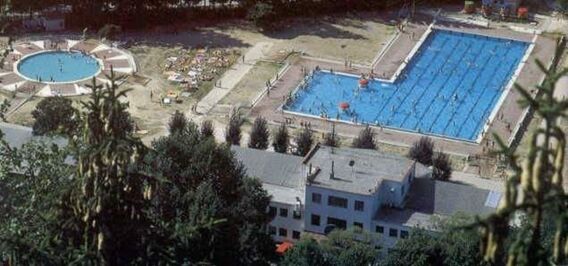
You can bathe in the Laura thermal spa in two swimming pools, from which one is for the children. The water temperature is 20 - 26oC. The area also offers mini-golf, beach volley, restaurants and snack bars with fast food. A parking lot is nearby.
The Aphrodite Spa Rajecké Teplice is situated amid the scenic natural surroundings of the Malá Fatra and Strážovské Hills. The Spa offers healing thermal water with a temperature of 38°C, whose beneficial effects have been known since the fourteenth century. It contains calcium and magnesium ions and is especially good for the locomotor system, neurological diseases, occupational diseases, and drinking cures.
The facility includes eight pools that suit the needs of all kinds of visitors, with the swimming pool being the largest of them, as it is 50 metres long, 21 metres wide and 1.8 metres deep. The centre also features a car park, a wide selection of snacks, sports (beach volleyball, mini golf, table tennis and basketball) and amenities for children (a water slide, a number of slides, jungle gyms and a sand pit).
V krásnom prostredí Rajeckej doliny, medzi obcami Veľká Čierna a Malé Lednice, sa nachádza 9 jamkové golfové ihrisko s krytým driving range, klubovým domom a kvalitnými cvičnými plochami. Ihrisko bolo otvorené v roku 2008 a Žilinsko–rajecký golfový klub, ktorý na ňom pôsobí, má v súčasnosti 370 členov. Ihrisko je vzdialené len 5 km od mesta Rajec smerom na Považskú Bystricu.
V Bike parku sa nachádza 5 vyznačených tratí pre zjazd na horských bicykloch v celkovej dĺžke až 10,6 km. Na svoje si prídu rodiny s deťmi aj skúsení jazdci. Náročnejšie trate obsahujú prírodné aj umelé skoky, vlny či klopené zákruty a ich povrch je prevažne prírodný.
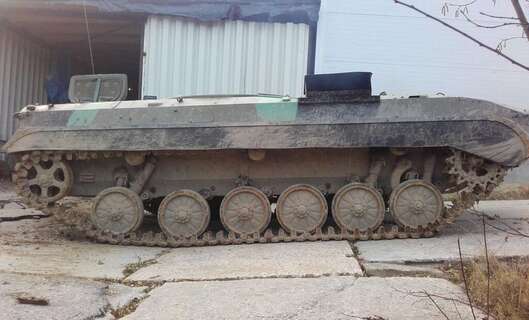
With our experienced instructor, you will experience a ride in the BVP in challenging terrain through forest, streams and, of course, there will be no mud. After all, what would it be like off-road driving if you didn't enjoy it with all the greatness. Your task will be to stick to it and enjoy an unforgettable ride in an armored personnel carrier in the terrain, which you would not dare even in an off-road car.
The longest and most modern ZIPLINE in Central and Eastern Europe with a length of 1234 m is guaranteed to take your breath away.
Do you love the rush of adrenaline? So ZipLine is the right choice for you.
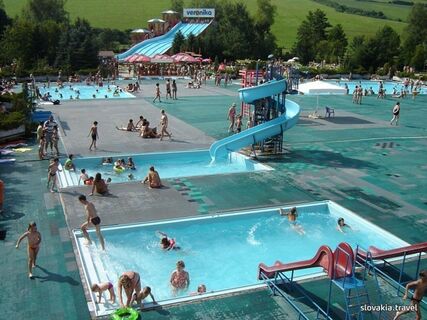
AquaRelax is a modern aqua park in Dolný Kubín, outstanding for its unique pyramid architecture. It uses only crystal-clear water in stainless steel pools.
Do you want to experience a romantic holiday in the beautiful corners of the river Orava with a touch of adventure? Or a little adrenaline on the wild water? Come rafting with us!
On the left bank of the Váh river, close to Žilina, you find the Strečno Castle on top of the limestone rock. In the past it was the safest fort in the Považie region.
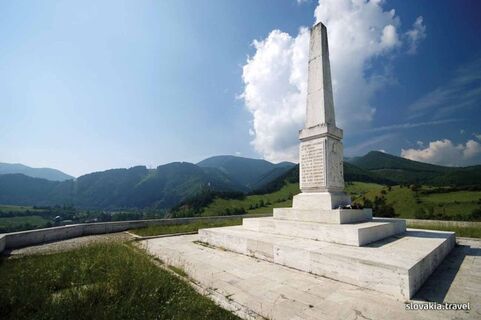
Fierce fights for the strategic gap of the Váh and the mountain range Malá Fatra near Strečno in the north-west of Slovakia took place between the German army and the partisans of the Slovak National Uprising (SNP). A memorial was built on the hill Zvonica to commemorate the dead heroes.
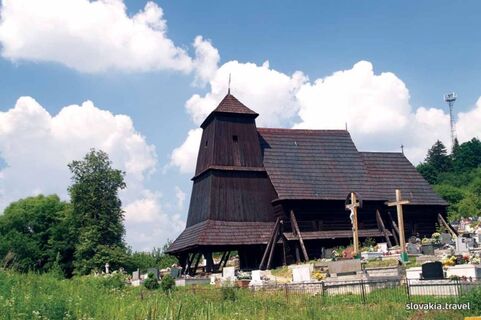
The gothic wooden Roman Catholic church of St George is the oldest architectural monument in village Trnové. It stands on the local cemetery.
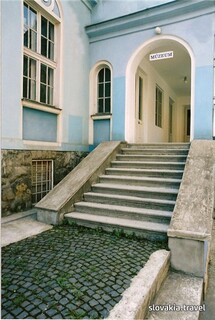
The synagogue of the Orthodox Jewish community was built in 1927 according to plans of an unknown author.
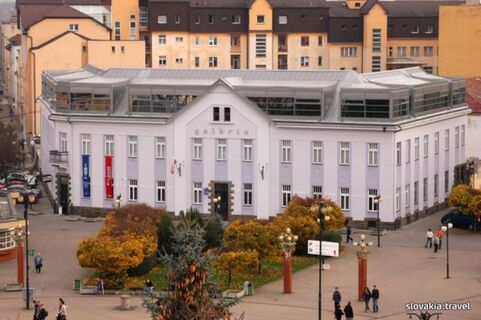
The Považie Gallery of Art was founded in 1976, followings its separation from the Považie Museum. In the late 1970s and throughout the 1980s, its regularly-held exhibitions focused mainly on contemporary Slovak drawing. The gallery is managed by the Žilina Self-governing Region.
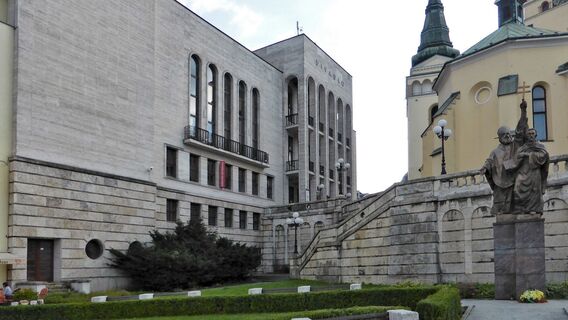
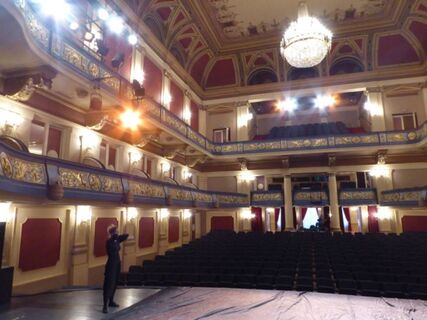
Mestské divadlo Žilina sídli v budove, ktorá bola postavená ako Reprezentačný dom Žiliny v rokoch 1942-1944 podľa projektov moravsko-nemeckého architekta Ota Reichnera. Stavba nesie znaky talianskeho neoklasicizmu a pôvodne sa v nej nachádzali kultúrne priestory, cirkevná škola a honosná radná sieň.
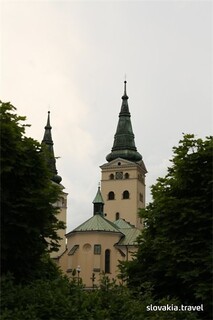
Je najvýznamnejším a najstarším objektom v meste. S veľkou pravdepodobnosťou v blízkosti a na mieste dnešného kostola stál od 13. storočia hrad, o čom máme písomné správy od roku 1318 do roku 1454.
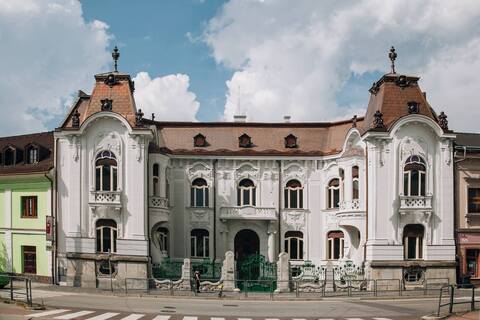
Rosenfeld Palace located in the historic center of Žilina has a rich history. It was built in 1907 as a miniature imitation of Vienna's Belvedere Castle. The palace is one of the most beautiful monuments in the city and the largest cultural monument in the property, which has been preserved almost in its original condition.
Bábkové divadlo Žilina je najstaršie profesionálne bábkové divadlo na Slovensku. V roku 2015 oslávuje 65 rokov existencie.