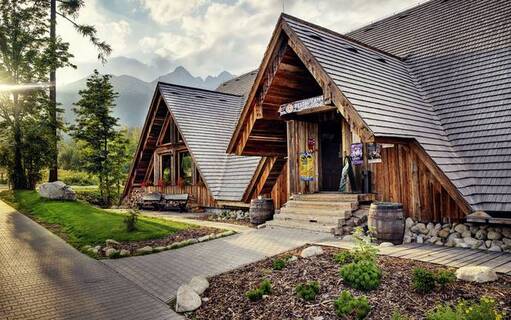
Penzión Berg
The dominant of the town Kežmarok is the Castle Kežmarský hrad that has entered the history of tourism in the High Tatras as the salient point of the first known tourist trip to this mountain range.
The urban compound of the castle originated in 1463. It was built with the aim to defend the town on the site of the medieval community of Svätá Alžbeta (St. Elisabeth). Built originally by Imrich and Ján Zápoľský in the Gothic style, much stress was laid on the defensive nature of the castle building including thick walls and massive bastions. The castle gained its contemporary Renaissance form after extensive rebuilding which proceeded in various stages in the years 1572, 1575, 1583, and 1624. The last phase was completed by Šebastián Thököly, the founder of the famous family, who invited renowned Italian stonemasons, bricklayers and painters to change the original stronghold into a representative family mansion. The buildings in the castle courtyard were equipped with Renaissance arcades, its sumptuous halls were adorned with wall paintings, and the interior of the castle chapel was renewed in the Early-Baroque style.
Curiosity and courage were properties the noble Princess Beata Laská of Kežmarok Castle certainly possessed. Otherwise she would never have set out on a trip accompanied by several burghers from Kežmarok to the not too distant Snow Mountains (today called the Tatras) in 1565. When the princess returned three days later, after having visited Zelené pleso lake, her angry husband was waiting for her at the gate of the castle. He decided to have the Princess interned in the strongest tower where she passed six long years in extremely hard conditions. The only relief for the unfortunate princess was that the tower had two small windows, one overlooking her beloved Snow Mountains, and the other through which she was given food.
In 1931, the first exposition of the regional Museum of Kežmarok was opened in a part of the castle compound. After general repairs to the castle that took place in the years 1962-1985, its collections were expanded. Visitors can see many expositions and theatre performances in summer nights at the Castle.
| Monday – Sunday | 18:00 – 18:00 |
|---|


Raz vidieť, je viac, ako stokrát počuť. Raz sa dotknúť, je viac, ako tisíckrát vidieť. Bližšie k divočine už nebudete...
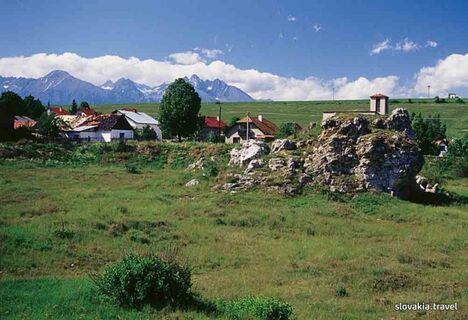
Prímestská oddychová zóna mesta Spišská Belá s nádherným výhľadom na masív Vysokých a čiastočne i Belianskych Tatier.
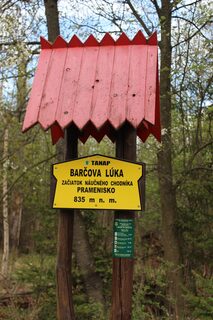
Are you thinking about what kind of walk to take with your children? The Pramenisko nature trail is a very good choice. It is an easy walk through the swamps with interesting scenery and educational boards that will enrich you with interesting information.
Interaktívna rodinná galéria vo Vysokých Tatrách, Dobrá Hračka, je miesto, kde na ploche 500 m2 nájdeš množstvo hier a atrakcií, naučíš sa dopravné predpisy, vyskúšaš si rôzne hračky. Aj náš obchodík je zameraný na netradičné hračky, vďaka ktorým sa deti aj dospelí dokážu hrať nielen zábavne, ale aj s rozumom. V Dobrej Hračke zastávame názor, že hračky, ktoré predávame vám vieme najlepšie priblížiť na základe osobnej skúsenosti a preto ich tu aj sami testujeme a hráme sa s nimi.
The place to enjoy and enjoy with your friends
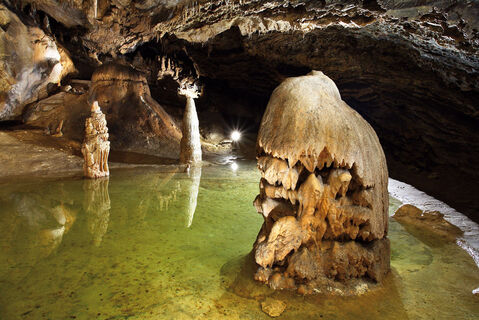
The Belianska jaskyňa cave is the only one accessible to public in the Tatras and situated in the slope of the Belianske Tatry Mts. above the commune Tatranská Kotlina. It is among the first caves Europe in which electric light was installed.
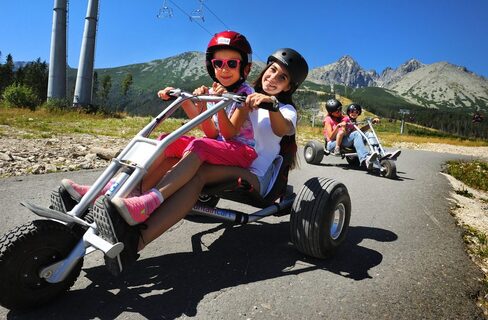
Mountain carts are motorless tricycles that can bring adrenaline fun to the whole family.
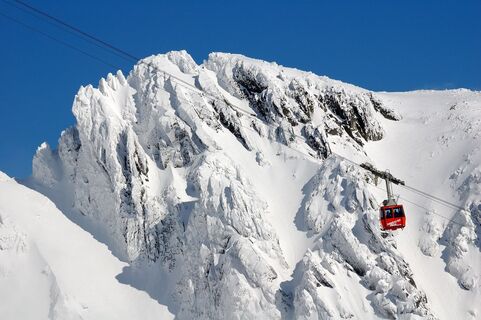
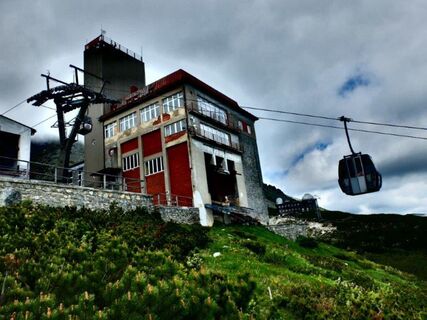
One of the much sought out attractions of the mountain range Vysoké Tatry is the funicular to the top of the peak Lomnický štít, the ride on which together with beautiful view offers an unforgettable experience.
The oldest known inhabitant of Slovakia lived below the Tatras. more than 100 thousand years before. The evidence of his existence was found in the travertine monticule near Gánovce, the village situated below the Tatras. This also is the reason why it is called the Man of Gánovce.
Vodná nádrž Levoča má rozlohu 3 000 metrov štvorcových a kapacitu až 3 500 návštevníkov. Do zariadenia je umožnený celoročný prístup autom a zabezpečené je parkovanie na rozsiahlom stráženom parkovisku.
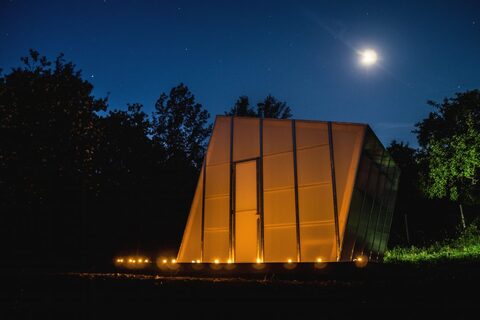
At the foot of the forest in Spišský Hrhov, in an old orchard with a view of Spiš Castle, there is a sauna original in its architecture and concept. It is accessible free of charge to anyone who reserves it for an undisturbed experience. Reservations are possible via the form. The sauna has an unconventional shape on the outside, but inside it is built according to traditional techniques. It is without electricity, heats with wood in the oven and cools with water from the stream. The only stimuli from the surroundings are the starry sky and the sounds of the forest.
AGROTURISTIKA - možnosť zapojiť sa do chodu gazdovsta a chaty, starostlivosť o zvieratá, ich kŕmenie, čistenie koní, osedlanie koní, pomoc pri ustajnení koní, napájaní, vyhnojovaní, kosiť čerstvú trávu, jazda na traktore. Túto možnosť oceňujú rodičia s deťmi, ktoré tak majú možnosť naučiť sa veľa o zvieratách a prírode, ale aj dospelí milovníci prírody, alebo pod neustálym tlakom pracujúci manažéri. JAZDA NA KONI je pre niektorých jedinečným zážitkom, atrakciou ale aj koníčkom, ktorému venujú celý svoj život. Pre tých čo sa chcú povoziť, naučiť sa jazdiť, starať sa o kone, objednať si celé stádo pre svoje podujatie, jazdiť na saniach, nočné jazdy, výlety po okolí a iné.
Slovenská tradícia v kuchyni. Meníme obyčajný obed na skvelé zážitky.
The place to enjoy and enjoy with your friends
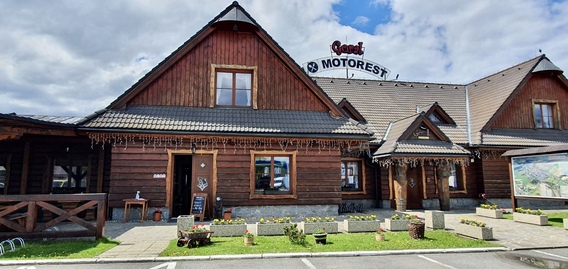
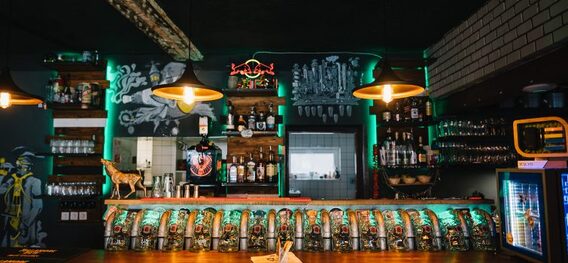
The "GOOD TIMES" pub is the place where everyone can find their taste of beer. Each day, up to 16 kinds of the best of the beer world are on display.
ŽDIAR is a typical Goral community situated between the mountains of the Belianske Tatry and Spišská Magura. It is a tourist centre and the starting point for trips to the mountains Belianske Tatry.
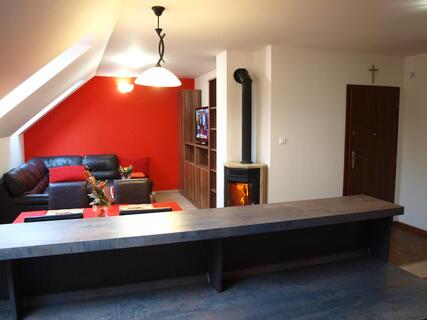
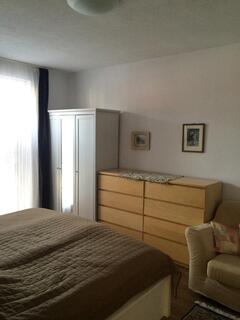
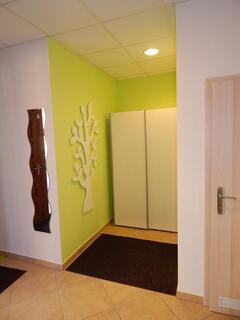
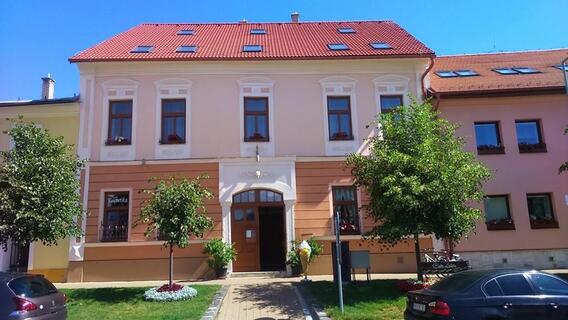
Penzión leží uprostred obce Smižany, v blízkosti Slovenského raja, možnosti pešej turistiky.
V malebnom mestečku Stará Ľubovňa, neďaleko križovatky ciest vedúcich do Poľska, Popradu a Bardejova, pod nádhernou scenériou Ľubovnianskeho hradu sa nachádza Salaš u Franka.
We offer accommodation and traditional meals – we also organise events such as – Shrove Carnival Pig Slaughter, Goulash Festival Branisko, Spiš Folklore Festival, Master Piroh (pasty). Come and enjoy a weekend’s stay at The Shepherd’s Hut!
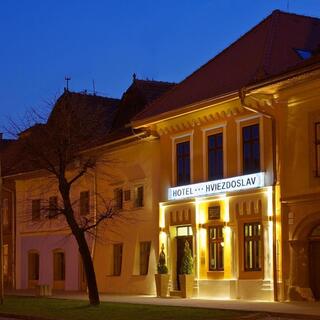
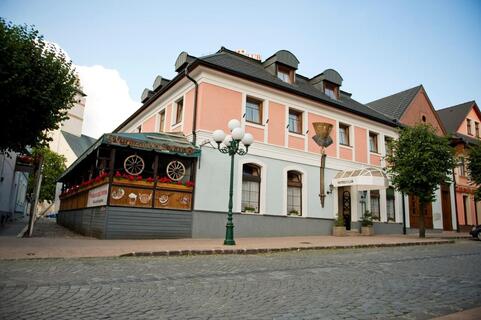
Tento elegantný 4-hviezdičkový hotel sa nachádza v historickom centre Kežmarku, len 200 metrov od Kežmarského zámku.
At the foot of the High Tatra Mountains, this pet-friendly hotel is situated in the historical town of Kežmarok. The on-site restaurant, offering Slovak and international cuisine, features a fireplace.
Penzión leží uprostred obce Smižany, v blízkosti Slovenského raja, možnosti pešej turistiky.
In the Thermal Pool Vrbov you will find the right geothermal water, which is considered one of the best mineral waters in Central Europe containing important mineral substances for the human body. Geothermal water, which the pools are filled by, springs from a depth of over 2000 m and contains minerals with beneficial effects on the musculoskeletal and respiratory system, nervous system, skin and cardiovascular system.
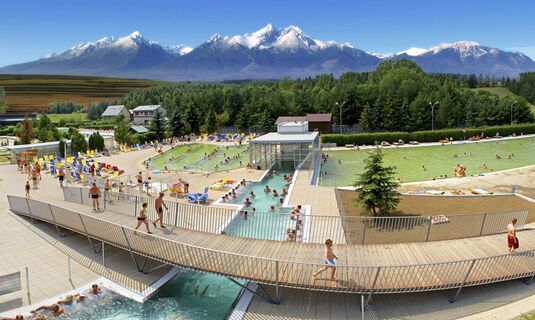
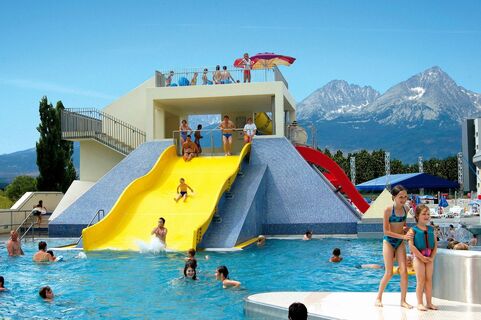
AquaCity Poprad is a modern and eco-friendly tourist resort which is literally self-sufficient in terms of energy. Using geothermal water and solar energy on a daily basis prevents tonnes of carbon dioxide from being released into the atmosphere. AquaCity manages to cut energy costs and return the savings back to customers in the form of affordable eco-friendly luxury.
Healing springs have been mentioned in the area of Gánovce as far back as 1549. A spa village was gradually built around them.
The unique alpine climate of the Vysoké Tatry and its beneficial effect on human organism was one of the main reasons to establish climatic spa in this mountain range, particularly in the settlement Nový Smokovec. MUDr. Nikolaus Szontágh, a physician who possessed some experience from the Alps, founded the spa and opened the first sanatorium in 1876.
The tradition of the sanatorium in Tatranská Polianka specializing in the treatment of respiratory system diseases dates back as early as the 19th century. Tatranská Polianka is located 1005 metres above sea level, in the forest zone in a slightly cold area. Due to dry air, a favourable sunlight ratio, lower air pressure, lower oxygen pressure and moderate day temperatures without major variations, the climate in the Tatras is perfect for patients with lung diseases.
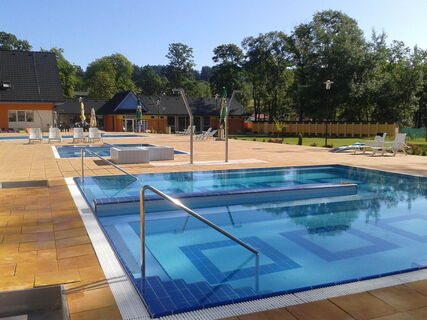
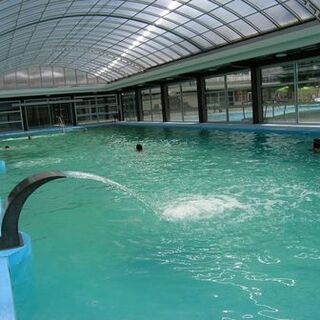
The Izabela Thermal Swimming Resort with five outdoor swimming pools (including two children swimming pools) is located in the attractive setting of Vyšné Ružbachy. There is also an indoor thermal swimming pool open throughout the year. The wide range of services includes a balneal programme, a wellness programme and sports facilities.
At the foot of the forest in Spišský Hrhov, in an old orchard with a view of Spiš Castle, there is a sauna original in its architecture and concept. It is accessible free of charge to anyone who reserves it for an undisturbed experience. Reservations are possible via the form. The sauna has an unconventional shape on the outside, but inside it is built according to traditional techniques. It is without electricity, heats with wood in the oven and cools with water from the stream. The only stimuli from the surroundings are the starry sky and the sounds of the forest.
Lučivná Climatic Spa is located amid a forest park in a scenic area below the Tatras.It is situated 816 metres above sea level. The facility specializes in providing spa treatment to children suffering from non-tuberculous diseases of the respiratory tract.
POŽIČOVŇA OBLOHY | COMPACT Skydive zabezpečuje komplexné služby v oblasti športového a rekreačného parašutizmu. (Zdroj: www.compact.sk)
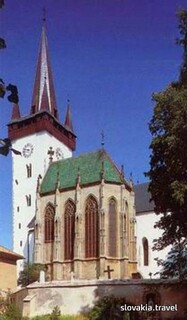
One of the best preserved Slovak wooden sacral buildings is the articled Evangelical Church of the Holy Trinity (Kostol sv. Tojice) in Kežmarok. In 2008, along with seven wooden churches of the Slovak part of Carpathian Mountain Area, it was included on the UNESCO Word Heritage List.
The local part of Spišská Belá - Strážky in the east of Slovakia today represents a complete compound of cultural and historical monuments. The manor house in Strážky is a gem of the Renaissance architecture in Slovakia.
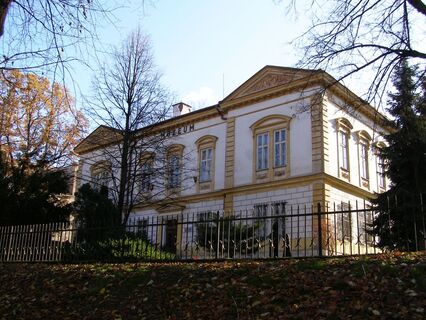
J. M. Petzval Museum in Spišská Belá is one of the detached exhibitions of the Slovak Technical Museum in Košice, the only museum in Slovakia focusing on the history of science and technology in this area.
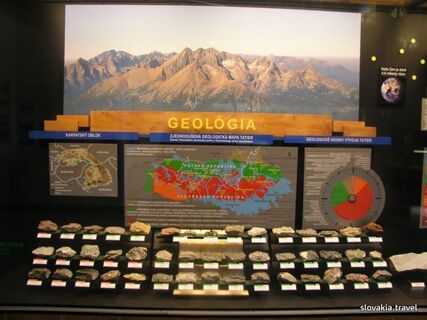
The museum makes visitors familiar with the Tatra nature, its protection, and the history of opening the Tatras to the public.
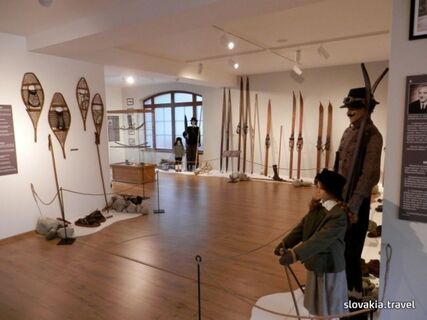
Kompaktne a moderne upravená expozícia súkromného Ski múzea poskytuje návštevníkovi prehľad o vývoji jednotlivých zimných športov vo Vysokých Tatrách od ich počiatku až do roku 1945 na ploche cca 300 m2.
The Podtatranské múzeum Museum in Poprad is one of the oldest museums in Slovakia. It is located in a pseudo-Renaissance building built in 1886 and it will answer many of your questions concerning the history of the sub-Tatra region. The Museum was established by the Hungarian Carpathian Society in 1876.
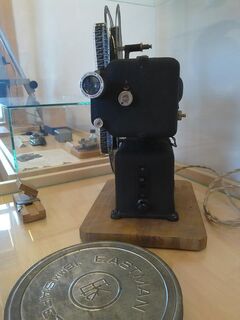
In the very centre of the High Tatras, in the Tatra village of Starý Smokovec, you can find a renovated log cabin called Vila Alica—the new home of the private Museum of Tatra Cinematography and Photography as of June 2015. It takes visitors back in time to the Tatras’ past, a time when the pace of life wasn’t so fast and each tourist wasn’t always equipped with their own individual camera and video recorder. A past with an undisturbed pace, preserved by artists and amateurs alike who managed to record the surroundings in photos and videos.
Azda najkrajšia gotická stavba na Slovensku – Kaplnka Zápoľských sa nachádza v Spišskom Štvrtku, ležiacom na juhozápadnom okraji Levočských vrchov. Zanechal ju po sebe rod Zápoľských, jeden z významných šľachtických rodov Spiša.
The Encián Gallery located at an altitude of 1751 metres is the second highest in Europe and the highest location in Central Europe as well as in Slovakia.
ŽDIAR is a typical Goral community situated between the mountains of the Belianske Tatry and Spišská Magura. It is a tourist centre and the starting point for trips to the mountains Belianske Tatry.
The Tatra foothills will host the largest ballooning event in Slovakia's history! Up to 40 hot air balloons from all around the world will take to the skies against the backdrop of the High Tatras.
Enjoy a pleasant September early evening filled with great live music outdoors in the heart of Tatranská Lomnica!
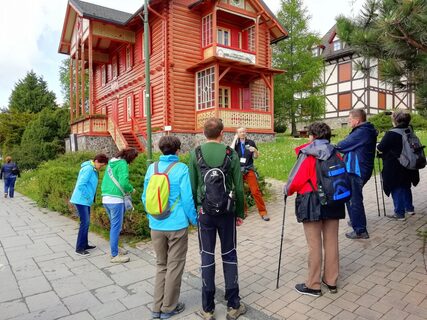
Discover the charm of High Tatra settlements! We invite you to free two-hour guided tours exploring the history, monuments, and sights of the High Tatras region with expert commentary.
Come and enjoy a vibrant atmosphere along with catchy tunes performed live by the popular Slovak band Iconito outdoors!
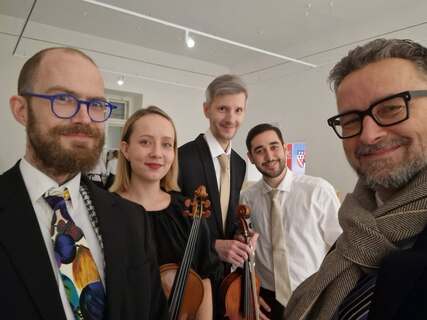
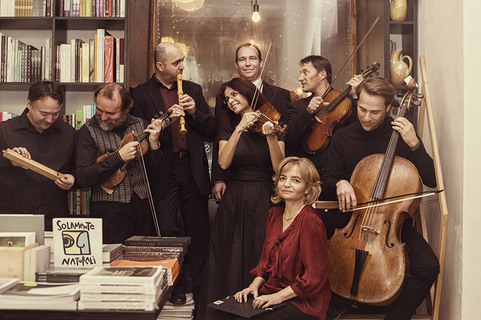
We cordially invite you to a chamber music concert by Collegium Wartberg 415 in the unique setting of St. George's Church in Spišská Sobota!
Experience a unique evening of classical music in the intimate setting of St. George's Church in Poprad-Spišská Sobota as part of the 44th Poprad Music Autumn 2026!
Discover the charm of High Tatra settlements! We invite you to free two-hour guided tours exploring the history, monuments, and sights of the High Tatras region with expert commentary.
Come support FK Poprad during the autumn 2026 season and experience an exciting matchday atmosphere live at NTC Poprad stadium!
Discover the charm of High Tatra settlements! We invite you to free two-hour guided tours exploring the history, monuments, and sights of the High Tatras region with expert commentary.
Poprad is set for the rock event of the year! Legendary Czech band Kabát is bringing their massive concert show straight to the ice stadium.