Chata Plemenár
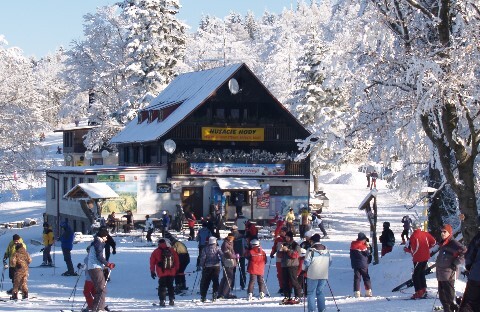
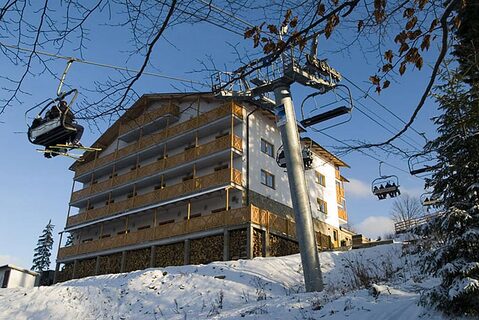
Chata Plemenár is a mountain cottage in the ski resort SNOWPARADISE Veľká Rača. It is located in the Dedovka area, near the top station of the cableway.
Najväčšia drevená socha na Slovensku sa nachádza v Starej Bystrici. Má podobu sediacej Sedembolestnej Panny Márie - patrónky Slovenska. Na jeho realizácii sa podieľalo viacero architektov, rezbárov, technikov, stavbárov, kamenárov zo Slovenska a Českej republiky.
Vo výklenkoch orloja je umiestnených šesť bronzových plastík: z najstaršieho obdobia je to knieža Pribina, kráľ Svätopluk, z 19. storočia sú to kodifikátori slovenského jazyka Anton Bernolák a Ľudovít Štúr, z 20. storočia je to Milan Rastislav Štefánik a Andrej Hlinka.
Sedem sôch slovenských apoštolov vytesal z topoľového dreva ľudový rezbár Peter Kuník z Tvrdošína. Ide o svätcov, ktorých osudy boli spojené so Slovenskom: sv. Cyril, sv. Metod, sv. Andrej-Svorad, sv. Beňadik, sv. Gorazd, sv. Bystrík a sv. Vojtech.
Srdcom orloja je tzv. astroláb, teda ciferník s astronomickými údajmi. Práve astroláb robí zo Slovenského orloja v Starej Bystrici jediný a prvý orloj na Slovensku.
Farebnosť hlavnej dosky astrolábu je daná fázami dňa:čierna noc, červená úsvit, bledomodrá deň-obzor, červená súmrak. Ručička so slnkom sa pohybuje po týchto poliach podľa toho, kde sa reálne slnko nachádza. Hlavná doska astrolábu je ďalej delená zlatými lemovkami, ktoré označujú rovník, obratník raka, obratník kozorožca a tzv. miestny poludník, teda úsečku priamky, ktorá ukazuje kedy je slnko najvyššie na oblohe nad Starou Bystricou. Orloj v Starej Bystrici tak ako jediný z jestvujúcich orlojov na svete ukazuje tzv. pravý slnečný čas.
Okrem toho astroláb ukazuje polohu mesiaca na oblohe, fázy mesiaca a polohu slnka v znamení zverokruhu. Na vonkajšom okraji je tzv. kalendárna doska, ktorá má 366 dielov a každý deň sa otočí o jeden diel. Významné slovenské sviatky a pamätné dni sú na kalendárnej doske označené červenou hviezdičkou.
Vo vežičke orloja sú umiestnené dva zvony. Jeden zvon odbíja čas, druhý zvon vytvára zvukovú kulisu počas promenády apoštolov.
Operation times unavailable.


Tábor lookout tower with an altitude of 697 m above sea level. is an ideal tourist destination for a family walk. Kysucké Nové Mesto is in sight from here.
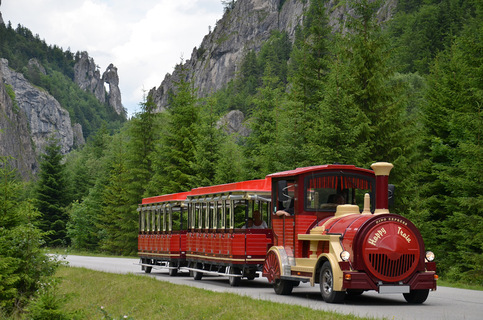
Terchová, Štefanová a Vrátna dolina patria medzi klenoty Malej Fatry a lákajú množstvo turistov a výletníkov. Okrem aktívneho výletu si čaro prírody môžete teraz vychutnať aj prostredníctvom vyhliadkovej jazdy Terchovským vláčikom.
Pramene sú pomenované podľa svojho výskytu - všetky tri pramene sa nachádzajú na severnom svahu Vojtovského kopca, ktorý uzatvára z južnej strany hranicu mesta Čadca nad údolím nazývaným Rieka. Trasa k prameňom je dobre značená.
The first mountain brewery has been operating in Terchová with experienced master brewer since 2012. You can book a tour and tasting the microbrewery in to the Drevenice Terchová Resort. If you just want to taste, the beer is on a tap in the next door restaurant.
Odjakživa sa ľudia zaujímali o Zem, kde sú jej hranice, čo je za nimi. Existuje vôbec niečo ďalej? Keď prekonali jej hranice prišli nové otázky. O tom, čo všetko sa nachádza v kozmickom priestore, ako vznikol. Zistenie odpovedí je dosť vyčerpávajúce a časovo náročné. Oveľa jednoduchšie je prísť do Kysuckej hvezdárne v Kysuckom Novom Meste, ktorá je pobočkou Krajskej hvezdárne v Žiline. Miesto, ktoré je rajom pre milovníkov hviezdnej oblohy a nadšencov neznámeho.
The National Park of Malá Fatra is situated in the westernmost Slovak high mountains Malá Fatra. Gorges, rock peaks and an attractive ridge tour are among its attractions.
The village Štefanová with numerous buildings built in traditional style is situated in the north-west of Slovakia at the foothill of the mountain Veľký Rozsutec (1,610 m).
Bukovský minerálny prameň bol vyhlásený za prírodnú pamiatka v roku 1973. Pôvodne vytekal v lese nad Bukovským potokom, po výstavbe cesty dolinou bol jeho odtok prevedený rúrou popod túto cestu a výtok bol upravený tak, že voda vyteká z kamennej steny rovno do potoka. Prameň bol v roku 2007 upravený.
The only access road to the Vrátna valley, the most attractive part of the Malá Fatra Mts. is from the village Terchová. The Vrátna valley has four points of access: Tiesňavy, Stará dolina, Nová dolina and Starý dvor.
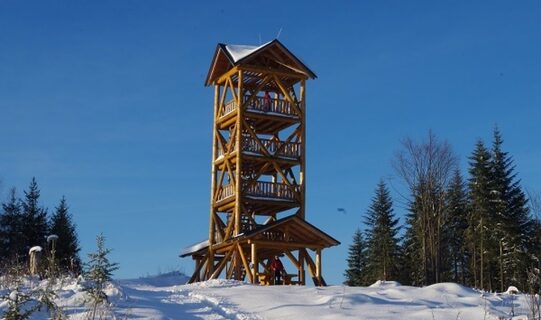
Kysucké rozhľadne patria medzi najkrajšie v Českej i Slovenskej republike. Tá nad Zákopčím, na Marťakovskom kopci, bola budovaná v rokoch 2009-2011 z prírodných materiálov dreva a kameňa. Vypína sa v nadmorskej výške 854 m n. m. a poskytuje krásny kruhový výhľad na blízke i vzdialené hory. Dovidíte z nej na kráľovnú Moravsko-sliezskych Beskýd - Lysú Horu, najvyšší vrchol Kysúc - Veľkú Raču i majestátny Rozsutec v Malej Fatre.
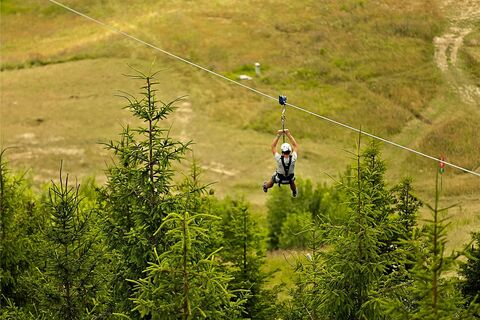
The longest and most modern ZIPLINE in Central and Eastern Europe with a length of 1234 m is guaranteed to take your breath away.
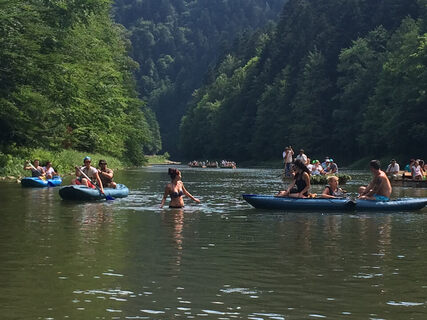
Do you want to experience a romantic holiday in the beautiful corners of the river Orava with a touch of adventure? Or a little adrenaline on the wild water? Come rafting with us!
The first mountain brewery has been operating in Terchová with experienced master brewer since 2012. You can book a tour and tasting the microbrewery in to the Drevenice Terchová Resort. If you just want to taste, the beer is on a tap in the next door restaurant.
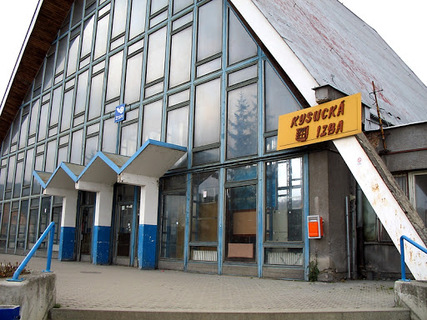
Kysuckú izbu nájdete na železničnej stanici v Čadci. Pre cestujúcu, ale aj necestujúcu verejnosť ponúka široký výber alkoholických a nealkoholických nápojov, čerstvých zeleninových šalátov, obložených bagiet, čerstvo zapekaných panini, jadranskú kopčekovú zmrzlinu a iné občerstvenie. Kysucká izba ponúka posedenie s kapacitou 45 miest vo vnútri a 28 miest na terase.
Offering a seasonal outdoor pool and ski-to-door access, Koliba u Kuba a rekreačné domy is set in Hruštín in the Žilinský kraj Region. Wisła is 48 km away. Free WiFi is provided throughout the property.
Chata Plemenár is a mountain cottage in the ski resort SNOWPARADISE Veľká Rača. It is located in the Dedovka area, near the top station of the cableway.
Chata Čučoriedka sa nachádza v srdci lyžiarskeho strediska Veľká Rača – Oščadnica, v časti Dedovka, priamo na svahu, medzi dvomi zjazdovkami.
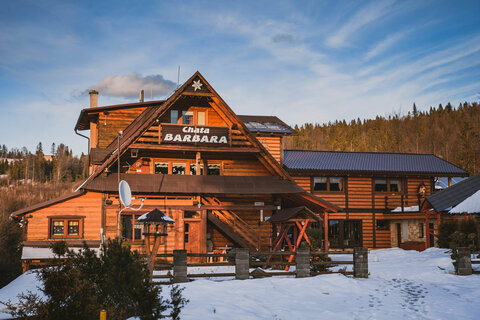
Chata Barbara sa nachádza v srdci lyžiarskeho strediska Veľká Rača – Oščadnica, v časti Dedovka, priamo na svahu, medzi dvomi zjazdovkami.
Just 30 m from a ski bus stop, Hotel Marlene features spa centre with sauna, hot tub and an indoor pool, all free of charge. Built in Slovak rustic style, functional accommodation with free Wi-Fi and free private parking are offered. At an additional cost, massage treatments are also available. A tennis court and a billiards table are provided on site as well.
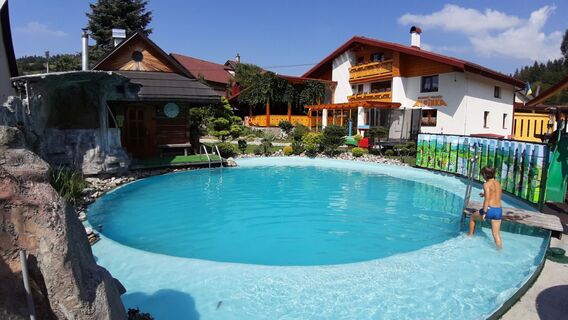
Rodinny penzion Alpinka amid the Kysuce Ski Area in Oscadnica offers you fully equipped apartments, free Wi-Fi , free parking, a restaurant and a well-groomed garden with a pool.
Rodinou prevádzkované apartmány Margus sa nachádzajú v centre Oščadnice, 5 minút jazdy autom od lyžiarskeho strediska Veľká Rača. Toto ubytovacie zariadenie ponúka ubytovanie v izbách a apartmánoch s výhľadom na Kysucké Beskydy, súkromnou kúpeľňou a bezplatným Wi-Fi pripojením na internet.
At the Gajuz Family guesthouse you can stay, spend summer and winter holidays in a quiet mountain environment. It is a place for lovers of hiking, cycling and skiing. Pension Gajuz Oscadnica is an ideal place for families with children - for the youngest we have a year-round children's park with many attractions
Located in Oščadnica, 6 km from Snow Paradise Velka Raca Ski Resort, Chalupa u Drába provides a garden with a gazebo and barbecue facilities, a common area with a TV and a fireplace, and outdoor table tennis. Free WiFi is available.
Offering a seasonal outdoor pool and ski-to-door access, Koliba u Kuba a rekreačné domy is set in Hruštín in the Žilinský kraj Region. Wisła is 48 km away. Free WiFi is provided throughout the property.
Sudopark je prvým miestom na Slovensku, kde sa môžete stretnúť s takou atrakciou akou kúpacie sudy nepochybne sú. Sudopark je jedinečný areál v Chránenej krajinnej oblasti Kysuce, ktorý tvoria obnovené drevenice v pôvodnej osade Klokočov.
V Bike parku sa nachádza 5 vyznačených tratí pre zjazd na horských bicykloch v celkovej dĺžke až 10,6 km. Na svoje si prídu rodiny s deťmi aj skúsení jazdci. Náročnejšie trate obsahujú prírodné aj umelé skoky, vlny či klopené zákruty a ich povrch je prevažne prírodný.
With our experienced instructor, you will experience a ride in the BVP in challenging terrain through forest, streams and, of course, there will be no mud. After all, what would it be like off-road driving if you didn't enjoy it with all the greatness. Your task will be to stick to it and enjoy an unforgettable ride in an armored personnel carrier in the terrain, which you would not dare even in an off-road car.
Rodinka Resort je športovo-rekreačný areál, ktorý sa nachádza v stredisku cestovného ruchu Veľká Rača, približne 300 m od zastavanej časti obce Oščadnica. Je vzdialený 7,3 km od hlavnej cesty vedúcej zo Žiliny do Čadce. V samotnom areáli sa nachádza chata Kamilka, chata Michaela, ihrisko a lezecká stena, wellness a požičovňa. Absolútnou novinkou je Adventure golf.
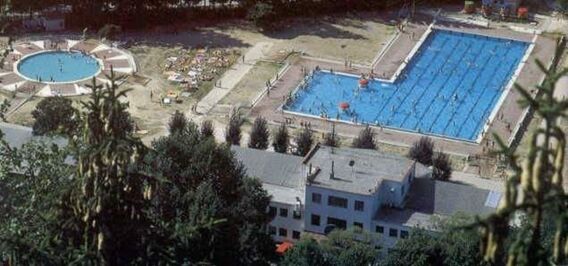
Mestské kúpalisko v Čadci bolo vybudované v priebehu jedného roka a otvorilo svoje brány širokej verejnosti 1. júla 2017. Kúpalisko má k dispozícii plaveckú časť i priestor pre detské atrakcie. Voda v bazéne sa ohrieva na cca 28 °C.
V letných mesiacoch si môžete zahrať petanque, ruské kolky, tenis na antukových dvorcoch, badminton, minigolf či previesť sa areálom na kolobežke či štvorkolke. Samozrejmosťou je vonkajšie a vnútorné spoločenské zázemie -oddychové terasy, lavičky, budova správcu so šatňami, hygienickým a športovým servisom a spoločenskou miestnosťou.
The longest and most modern ZIPLINE in Central and Eastern Europe with a length of 1234 m is guaranteed to take your breath away.
Sudopark je prvým miestom na Slovensku, kde sa môžete stretnúť s takou atrakciou akou kúpacie sudy nepochybne sú. Sudopark je jedinečný areál v Chránenej krajinnej oblasti Kysuce, ktorý tvoria obnovené drevenice v pôvodnej osade Klokočov.
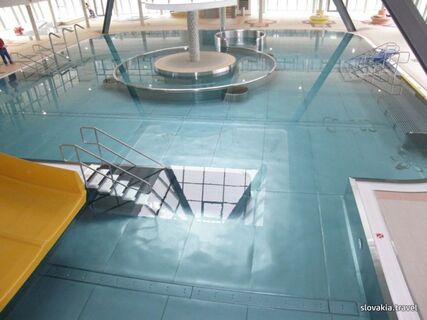
AquaRelax is a modern aqua park in Dolný Kubín, outstanding for its unique pyramid architecture. It uses only crystal-clear water in stainless steel pools.
Do you want to experience a romantic holiday in the beautiful corners of the river Orava with a touch of adventure? Or a little adrenaline on the wild water? Come rafting with us!
You can bathe in the Laura thermal spa in two swimming pools, from which one is for the children. The water temperature is 20 - 26oC. The area also offers mini-golf, beach volley, restaurants and snack bars with fast food. A parking lot is nearby.
Homeland Museum in Krásno nad Kysucou belongs to the administration of the Kysucké Museum in Čadca. It offers visitors an interesting and immensely attractive permanent exhibition called "Kysucká Odyssey", thanks to which it is possible in one place to discover the rich history of Kysuce from the oldest mammoth hunters through the age of Juraj Turzo to centuries of space flights.
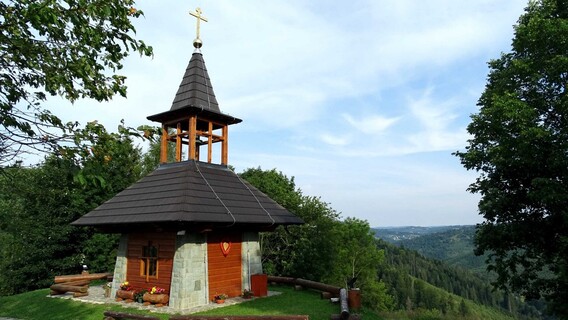
Kysuce - it is not only magical nature, but also beautiful monuments. And when these two attributes come together, a beautiful place like the Chapel at Haladej can be created. It is built in the heart of virgin nature, in a place where time seems to have got stuck in a moment.
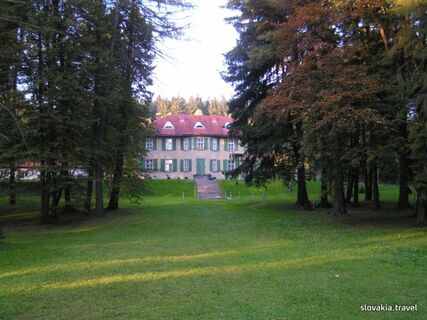
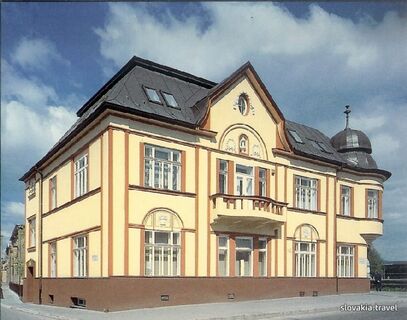
The Kysuce Regional Gallery was founded in 1981, with its seat being located in the Town House on Hlinkova Street in the town of Čadca. It has a branch in the manor house in Oščadnica.
Kaštieľ Radoľa sa nachádza v blízkosti Kysuckého Nového Mesta. Táto obec je považovaná za jednu z najstarších obcí na našom území. Prvá písomná zmienka pochádza z 13. storočia, kedy na území Slovenska vyberali pápežskí legáti cirkevné desiatky.
Pamiatky ľudovej architektúry, neopísateľná flóra a fauna, i tak hľadané ticho, to ponúka Skanzen Vychylovka. Odkaz starých a prastarých rodičov ležiaci v malebnom prostredí Chmúrnej doliny dokáže pre svojich návštevníkov priniesť spomienky na mladosť, spoznávať históriu, ba aj osvetliť kopaničiarsky spôsob osídlenia, ktorý bol charakteristický práve pre Kysuce.
The outdoor ethnographic exposition presents the "kopanice" type of scattered settlements in hilly areas which was typical of the Kysuce region.
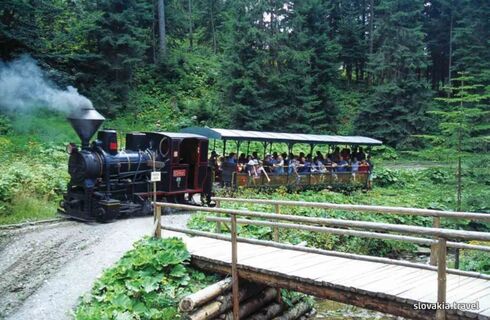
The narrow gauge Historic Forest Railway in Vychylovka in the Kysuce region in northwestern Slovakia is a technological masterpiece of world prominence operating in the area that divides the Kysuce and Orava regions.
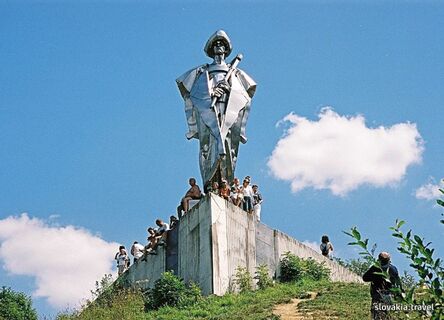
The most famous highwayman, Juraj Jánošík, was born in the mountainous village of Terchová in the north-west of Slovakia. The inhabitants of Terchová had a statue of their native made to guard the entrance to the Vrátna valley.
The Kysuce Museum in Čadca is a regional museum focused on national history and geography. At the same time, it is also a specialized museum with Slovakia-wide competence concerning the documentation of the development of forest railways in Slovakia for museum purposes.
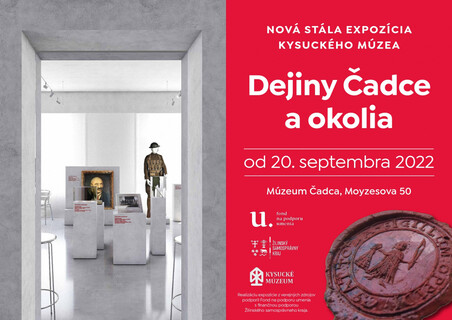
Kysucké múzeum, organizácia v zriaďovateľskej pôsobnosti Žilinského samosprávneho kraja, pozýva širokú verejnosť na novú stálu expozíciu Dejiny Čadce a okolia.