Kysuce Regional Gallery

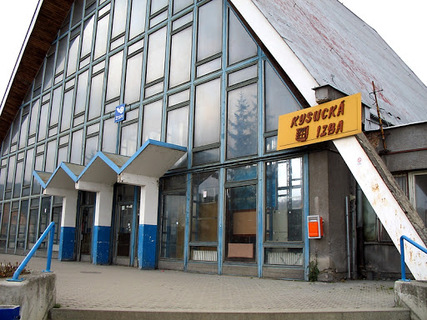
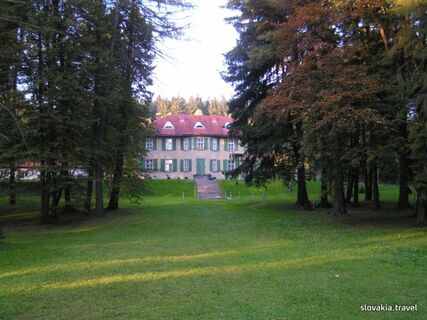
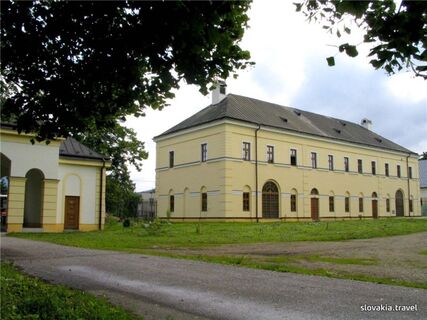
The Kysuce Regional Gallery was founded in 1981, with its seat being located in the Town House on Hlinkova Street in the town of Čadca. It has a branch in the manor house in Oščadnica.
The Kysuce Museum in Čadca is a regional museum focused on national history and geography. At the same time, it is also a specialized museum with Slovakia-wide competence concerning the documentation of the development of forest railways in Slovakia for museum purposes.
It is a specialized regional cultural institution focusing on the systematic collection, protection, scientific and expert processing of material evidence and it makes such evidence available. The museum concentrates on museum-specific documenting of the development of nature, society, science, technology, culture and art in the territory of Kysuce, from the earliest traces of settlement until the present day.
The museum was established on October 1, 1971, as the District Homeland Studies Museum in Čadca, with its activities officially launched on January 1, 1972. In 1974 the museum changed its name to the Kysuce Museum. Besides the permanent exposition "Kysuce", the museum building has exhibition premises where short-term exhibitions are held, which the museum enhances with a range of lectures, video-projections and presentations. The Kysuce Museum is one of the main organizers of the international folk culture film festival – Etnofilm Čadca. The Kysuce Museum is administered by the Žilina self-governing region.
The Kysuce Museum in Čadca features the following expositions: Radoľa Manor House, Museum of the Kysuce Village, Historical Back-swath Forest Railway in Vychylovka and the Joint Natural Science Exposition in Krásno nad Kysucou.
The Joint Natural Science Exposition is a common project of four museums that are administered by the Žilina self-governing region. The natural science exposition has been prepared in the new premises of the Kysuce Museum, that were created through modification of a part of collections depository in Krásno nad Kysucou. The exposition presents the fauna and flora of north-western Slovakia. The main attraction is a life-sized replica of a mammoth female, as a reference to the fossil relics found in the vicinity. The exposition will also comprise a specialized natural science classroom that will be used in teaching natural and environmental sciences. The Joint Natural Science Exposition is open to the public since 1 October 2009.
| Monday – Friday | 08:00 – 16:00 |
|---|---|
| Saturday – Sunday | Closed |
In Kysuce village Korňa, you will not find any oil tycoons who would become rich thanks to „black gold“. However, you can find there the unique oil spring, which is the only preserved spring among similar smaller oil surface outflows in the central Europe. The picturesque village of Korňa is situated in the Čadca district, near the town of Turzovka, in Beskydy Mountains.
The National Park of Malá Fatra is situated in the westernmost Slovak high mountains Malá Fatra. Gorges, rock peaks and an attractive ridge tour are among its attractions.
The village Štefanová with numerous buildings built in traditional style is situated in the north-west of Slovakia at the foothill of the mountain Veľký Rozsutec (1,610 m).
The only access road to the Vrátna valley, the most attractive part of the Malá Fatra Mts. is from the village Terchová. The Vrátna valley has four points of access: Tiesňavy, Stará dolina, Nová dolina and Starý dvor.
The Kysuce Regional Gallery was founded in 1981, with its seat being located in the Town House on Hlinkova Street in the town of Čadca. It has a branch in the manor house in Oščadnica.
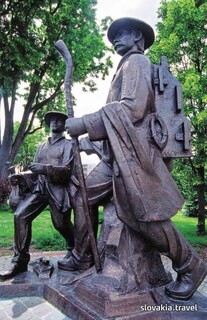
Kysuce used to be a region whose tinkers travelled all over the world with their panniers on their backs. It is not surprising that a beautiful monument to commemorate them was built in Turzovka. The tinker´s craft has a more than 400 year-old tradition in Kysuce. The famous Kysuce tinkers, when looking for work, sometimes got very far from their native country.
The Museum of Považie in Žilina is situated in the premises of the Budatín Castle on the northern outskirts of Žilina.
The Castle of Budatín with a strategic position at the confluence of the Váh and the Kysuca rivers is a dominant of Žilina.
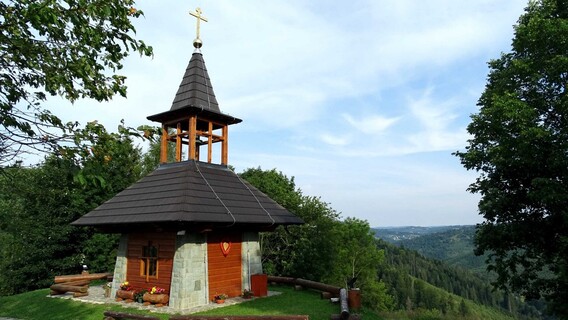
The narrow gauge Historic Forest Railway in Vychylovka in the Kysuce region in northwestern Slovakia is a technological masterpiece of world prominence operating in the area that divides the Kysuce and Orava regions.
The outdoor ethnographic exposition presents the "kopanice" type of scattered settlements in hilly areas which was typical of the Kysuce region.
The Považie Gallery of Art was founded in 1976, followings its separation from the Považie Museum. In the late 1970s and throughout the 1980s, its regularly-held exhibitions focused mainly on contemporary Slovak drawing. The gallery is managed by the Žilina Self-governing Region.
Je najvýznamnejším a najstarším objektom v meste. S veľkou pravdepodobnosťou v blízkosti a na mieste dnešného kostola stál od 13. storočia hrad, o čom máme písomné správy od roku 1318 do roku 1454.
Mestské divadlo Žilina sídli v budove, ktorá bola postavená ako Reprezentačný dom Žiliny v rokoch 1942-1944 podľa projektov moravsko-nemeckého architekta Ota Reichnera. Stavba nesie znaky talianskeho neoklasicizmu a pôvodne sa v nej nachádzali kultúrne priestory, cirkevná škola a honosná radná sieň.
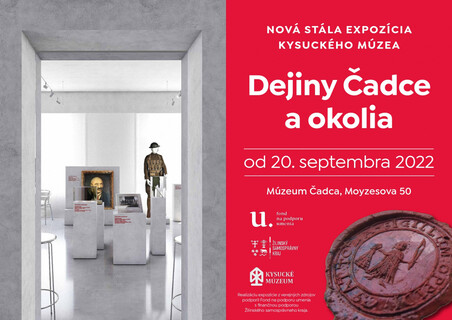
Kysucké múzeum, organizácia v zriaďovateľskej pôsobnosti Žilinského samosprávneho kraja, pozýva širokú verejnosť na novú stálu expozíciu Dejiny Čadce a okolia.