Lake in Šútovo
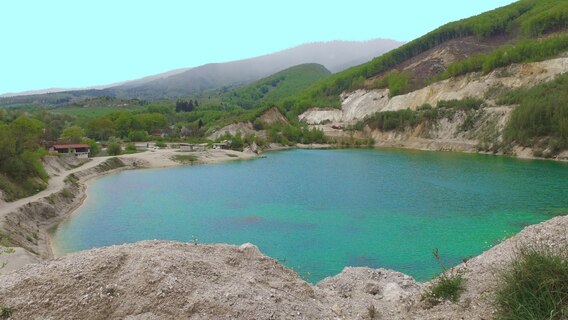
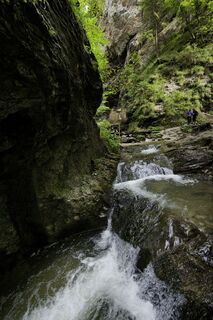
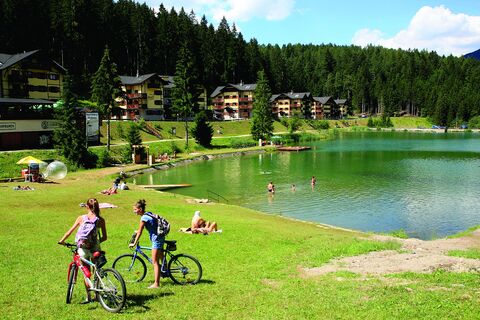
Do you like the Croatian Lakes in Plitvice, but would you rather stay in Slovakia? In that case, be sure to visit Lake in Šútovo and enjoy relaxation as in Croatia.
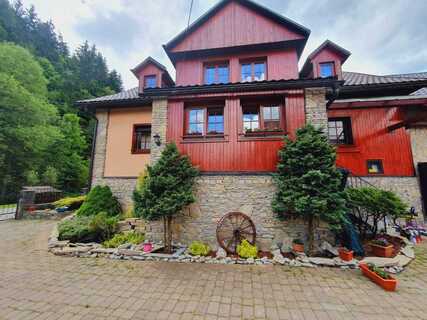
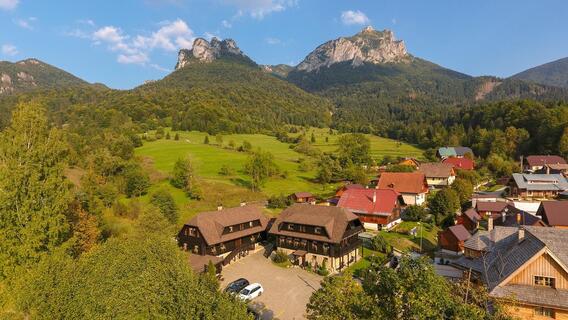
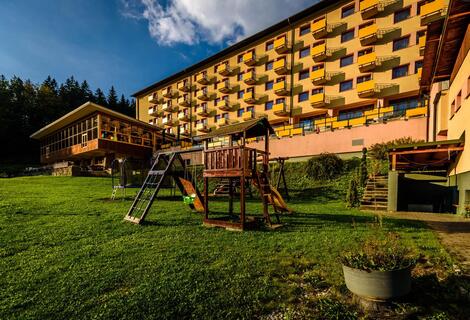
Situated between the Mala and Velka Fatra National Parks in the village of Kraľovany, Wellness Penzión Rosnička offers en-suite accommodation, a restaurant, a bar, billiards, a table tennis, a garden with barbecue facilities and a sun terrace. Free WiFi is available in all areas and free private parking is possible on site.
All rooms in Wellness Penzión Rosnička come with a flat-screen TV with satellite channels and a private bathroom with a shower.
Meals can be enjoyed in the on-site restaurant and special diet menus are available upon a request.
Other facilities offered include a ticket service, a tour desk and a children's playground. Spa and wellness facilities, massages and a fitness centre are available for a surcharge.
An array of activities can be enjoyed on site or in the surroundings, including skiing, cycling and hiking.
We will prepare a tailor-made offer within 24 hours on weekdays from 8AM to 16PM.






Do you like the Croatian Lakes in Plitvice, but would you rather stay in Slovakia? In that case, be sure to visit Lake in Šútovo and enjoy relaxation as in Croatia.
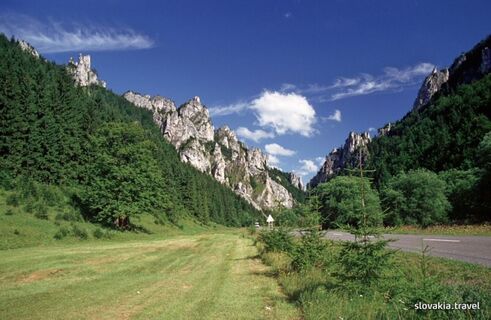
The only access road to the Vrátna valley, the most attractive part of the Malá Fatra Mts. is from the village Terchová. The Vrátna valley has four points of access: Tiesňavy, Stará dolina, Nová dolina and Starý dvor.
Čo by ste povedali na prechádzku parkom, kde rastie viac ako 400 druhov stromov z celého sveta? Išli by ste sa prejsť? Ak áno, vyberte sa na návštevu do obecného parku v Turčianskej Štiavničke, ktorý je skutočným arborétom.
The village Štefanová with numerous buildings built in traditional style is situated in the north-west of Slovakia at the foothill of the mountain Veľký Rozsutec (1,610 m).
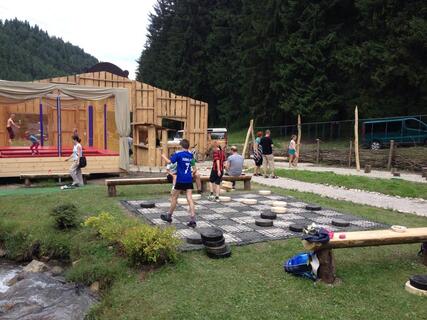
Experience a hill of fun - Obrovo is a unique world of the giant Čutka in Čutkovská dolina near Ružomberok. The entertainment area offers children a lot of fun, trampolines, an obstacle rope park, archery, children's paintball, big 3D chess ...
The National Park of Malá Fatra is situated in the westernmost Slovak high mountains Malá Fatra. Gorges, rock peaks and an attractive ridge tour are among its attractions.
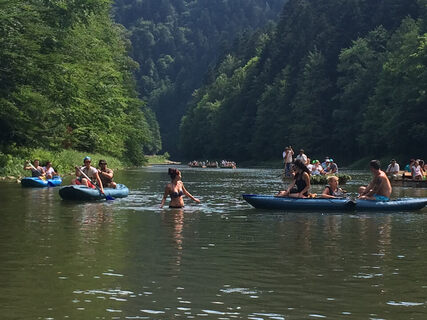
Do you want to experience a romantic holiday in the beautiful corners of the river Orava with a touch of adventure? Or a little adrenaline on the wild water? Come rafting with us!
The first mountain brewery has been operating in Terchová with experienced master brewer since 2012. You can book a tour and tasting the microbrewery in to the Drevenice Terchová Resort. If you just want to taste, the beer is on a tap in the next door restaurant.
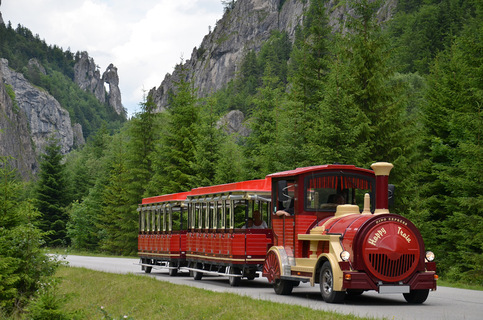
Terchová, Štefanová a Vrátna dolina patria medzi klenoty Malej Fatry a lákajú množstvo turistov a výletníkov. Okrem aktívneho výletu si čaro prírody môžete teraz vychutnať aj prostredníctvom vyhliadkovej jazdy Terchovským vláčikom.
Come and swim during the hot summer in the Hrabovo Reservoir. The reservoir is open to the public without admission.
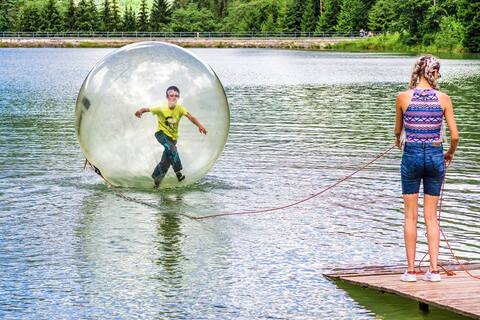
NEW eccentric adrenaline fun AQUAZORBING. Have you ever walked on a water surface? We will make it possible for you! And you don't even have to take off your clothes! Come and try how to walk on the water surface - try safe and unique fun on the water… Visit us in Hrabovská dolina.
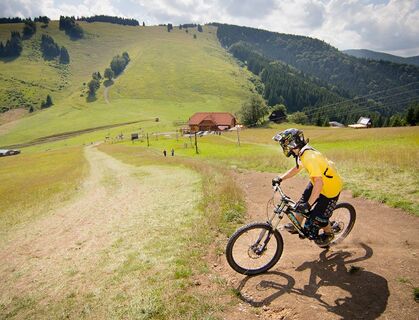
In the summer season of 2009, a new Bike Park was opened in the resort, which, with a total length of more than 10 km, was ranked among the top biker parks in Slovakia.
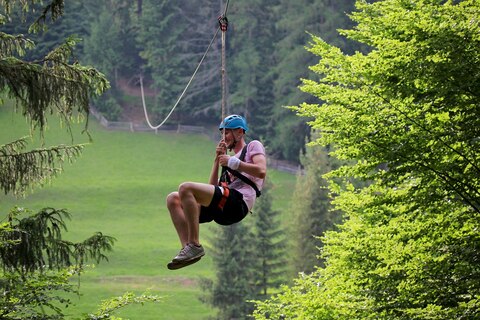
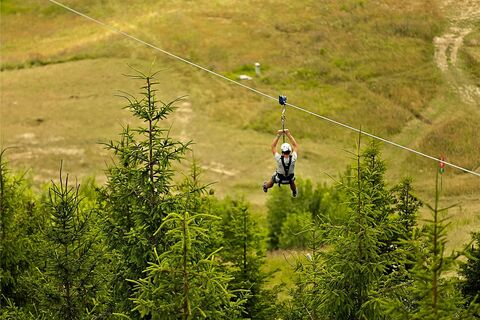
The longest and most modern ZIPLINE in Central and Eastern Europe with a length of 1234 m is guaranteed to take your breath away.
Rodinný salaš s 300 ovečkami ,výrobou syrov, 100% bryndzou , pekárňou , reštauráciou a s múzeom hospodárskych strojov . Založený v roku 2001.
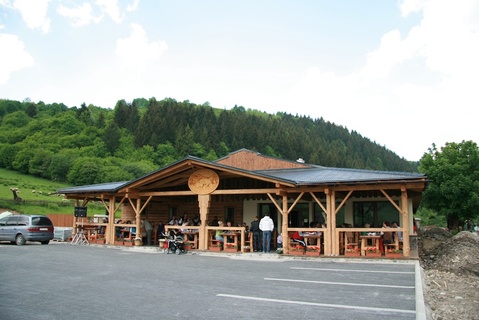
Koliba u dobrého pastiera je unikátny komplex ubytovacích, stravovacích služieb v lone nádhernej liptovskej prírody iba 5 minút od centra mesta Ružomberok. Celá stavba je z prírodných materiálov a v duchu slovenskej tradície.
The first mountain brewery has been operating in Terchová with experienced master brewer since 2012. You can book a tour and tasting the microbrewery in to the Drevenice Terchová Resort. If you just want to taste, the beer is on a tap in the next door restaurant.
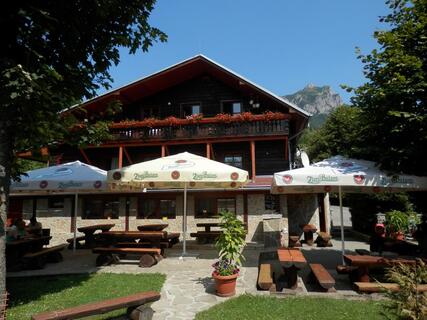
Located only 200 m from the historic square of P.O. Hviezdoslava in Dolný Kubín, Penzión Koliba is set in a traditional-style wooden house, typical for the Orava Region. It offers an on-site restaurant and rooms with a TV and free Wi-Fi.
Penzion Villa Helia is situated in the quiet suburban area of Medzihradné, only 1,200 m from the historic city centre of Dolny Kubin. It offers modern-style accommodation with free Wi-Fi and an on-site hot tub.
Offering a seasonal outdoor pool and ski-to-door access, Koliba u Kuba a rekreačné domy is set in Hruštín in the Žilinský kraj Region. Wisła is 48 km away. Free WiFi is provided throughout the property.
Túžba po vlastnom čapovanom pive v príjemnej reštaurácií pod majestátnym bralom Oravského hradu nás viedla k založeniu minipivovaru Kastelán.
Situated in Párnica in Malá Fatra, Penzion Adak offers an on-site sauna and a restaurant serving Slovak and international cuisine. Free WiFi is accessible throughout the house.
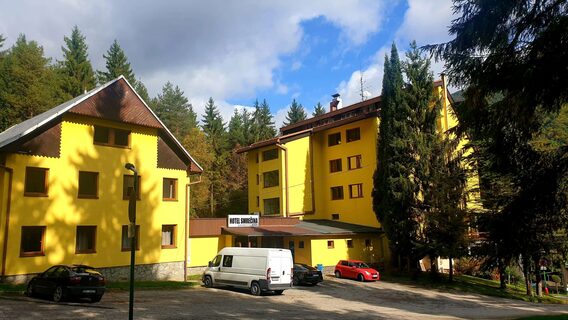
Hotel Smrečina is surrounded by the Lesser Fatra National Park. It features a spa area with a sauna and a hot tub. The Mala Lucivna Ski Resort is situated right next to the hotel.
Our accommodation facility offers for you relaxation and social areas, outdoor seating with a fireplace, a garden with garden furniture, a pond with trout, a fireplace with seating. We are also thinking about your children, so we have prepared a children's corner - climbing frames, swings, sandpit. Parking spaces are located directly in the premises of the building.
Koliba u dobrého pastiera je unikátny komplex ubytovacích, stravovacích služieb v lone nádhernej liptovskej prírody iba 5 minút od centra mesta Ružomberok. Celá stavba je z prírodných materiálov a v duchu slovenskej tradície.
Located only 200 m from the historic square of P.O. Hviezdoslava in Dolný Kubín, Penzión Koliba is set in a traditional-style wooden house, typical for the Orava Region. It offers an on-site restaurant and rooms with a TV and free Wi-Fi.
Penzion Villa Helia is situated in the quiet suburban area of Medzihradné, only 1,200 m from the historic city centre of Dolny Kubin. It offers modern-style accommodation with free Wi-Fi and an on-site hot tub.
Offering a seasonal outdoor pool and ski-to-door access, Koliba u Kuba a rekreačné domy is set in Hruštín in the Žilinský kraj Region. Wisła is 48 km away. Free WiFi is provided throughout the property.
Do you love the rush of adrenaline? So ZipLine is the right choice for you.
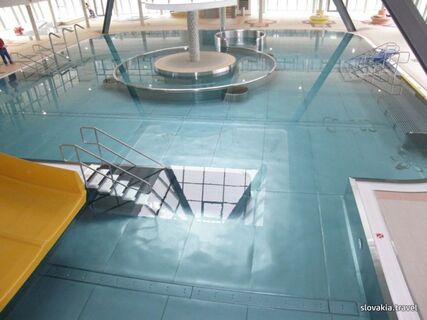
AquaRelax is a modern aqua park in Dolný Kubín, outstanding for its unique pyramid architecture. It uses only crystal-clear water in stainless steel pools.
Do you want to experience a romantic holiday in the beautiful corners of the river Orava with a touch of adventure? Or a little adrenaline on the wild water? Come rafting with us!
NEW eccentric adrenaline fun AQUAZORBING. Have you ever walked on a water surface? We will make it possible for you! And you don't even have to take off your clothes! Come and try how to walk on the water surface - try safe and unique fun on the water… Visit us in Hrabovská dolina.
TARZANIA Hrabovo sa nachádza, v blízkosti nástupnej stanice lanovky na Malinô Brdo kúsok od centra Ružomberka a svojou celkovou dĺžkou 1110m je najväčším lanovým parkom na Slovensku. V areáli nájdete čiernu, červenú, modrú a detskú trasu. Neváhajte a vyskúšajte si najdlhší ZIP LINE na Slovensku.
In the summer season of 2009, a new Bike Park was opened in the resort, which, with a total length of more than 10 km, was ranked among the top biker parks in Slovakia.
The longest and most modern ZIPLINE in Central and Eastern Europe with a length of 1234 m is guaranteed to take your breath away.
Spa Lúčky lying on the limits of regions Liptov and Orava is the one of oldest in Slovakia. It is popular for it provides complete therapy of gynaecological diseases, and it is the only spa in the county specialised in womens diseases.
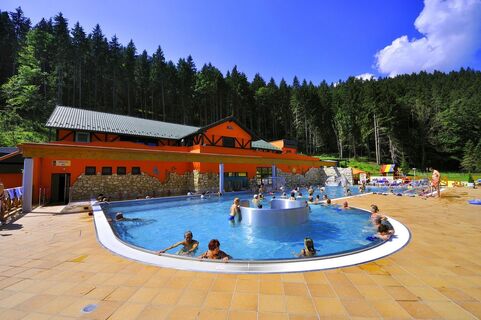
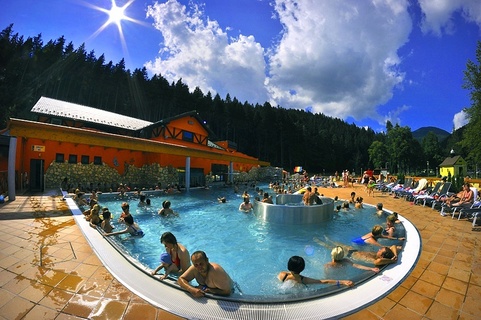
AQUA - VITAL PARK, open all year round, awaits you in the natural environment of KÚPEĽOV LÚČKY. subsurface lighting).
Spa Lúčky lying on the limits of regions Liptov and Orava is the one of oldest in Slovakia. It is popular for it provides complete therapy of gynaecological diseases, and it is the only spa in the county specialised in womens diseases. Locals know the mineral springs since 1761.
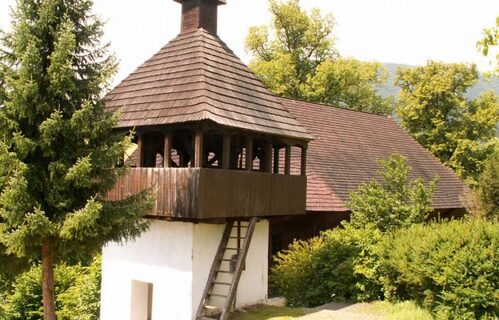
Visit the wooden articular church breathing history, which is interesting not only for its appearance but also for its rare paintings, altar or pulpit.
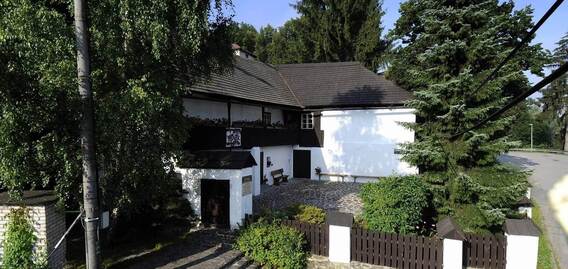
Did you know that Martin Kukučín was called Martin Bencúr? Also, that he wrote about 100 short stories? You can learn this and many other interesting facts in the memorial house of Martin Kukučín in Jasová.
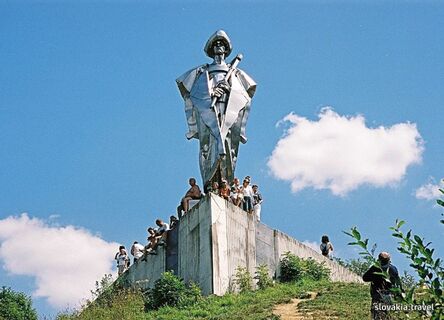
The most famous highwayman, Juraj Jánošík, was born in the mountainous village of Terchová in the north-west of Slovakia. The inhabitants of Terchová had a statue of their native made to guard the entrance to the Vrátna valley.
The Castle of Sklabiňa towers on the edge of the basin Turčianska kotlina and the mountains Veľká Fatra. It was first mentioned in 1242. After 1320, the Sklabiňa Castle became the seat of the county administration of Turiec.
How different can your room be with the room of the famous poet The Herkel Florin? Come and look at his memorial room and get to know this important personality better.
Visit the Čaplovič Library, which consists of 93,696 library units and gain knowledge in the scientific disciplines represented in the library fund (lexicons and bibliographies, theology, philosophy, history and geography, sociology, law, philology, fiction, mathematics, natural sciences, art, revue and cook).
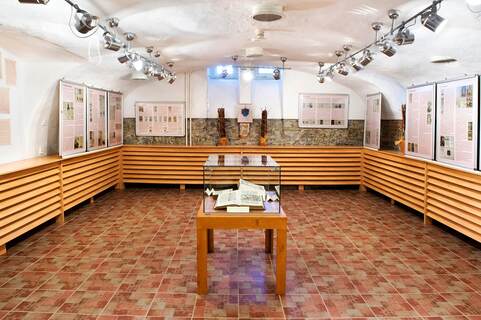
Do you want to learn more about the famous poet Pavel Országh Hviezdoslav than it is written in school textbooks? In that case, be sure to visit the literary exhibition dedicated to this important poet and playwright.
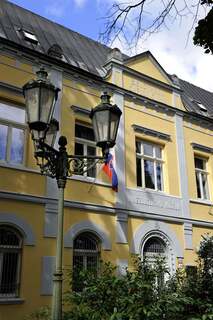
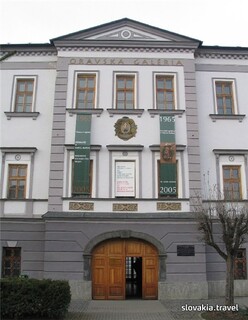
The Orava Gallery with 8,000 pieces of works of art is one of the most important public galleries in Slovakia. The Orava Gallery, which is a regional gallery for Zilina region, was founded in 1965 and is located in the town of Dolný Kubín in the 17th-century County House on Hviezdoslav's Square.
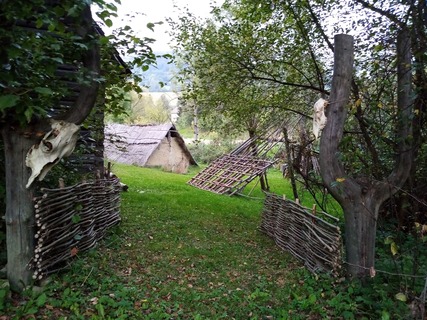
Archeopark offers us the opportunity to look into the Lusatian culture, where we can see tools from the Bronze Age, functional bread ovens, firing ceramics or melting bronze. Archeopark is a suitable tip for all-day activities associated with learning about the life of prehistoric people.
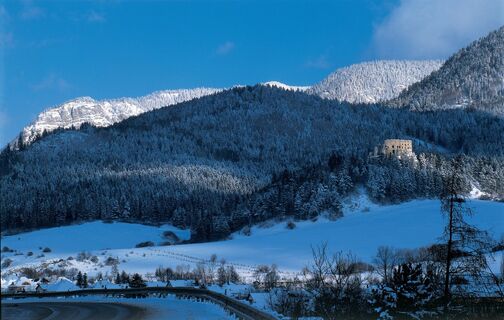
Likavský hrad is situated in the north-western part of Liptov. The Castle was referred to for the first time in 1315. Its construction started with the intention to have a guarding point over the passage across the river Váh and the trade route from the Váh Basin to Orava and further to Poland.